
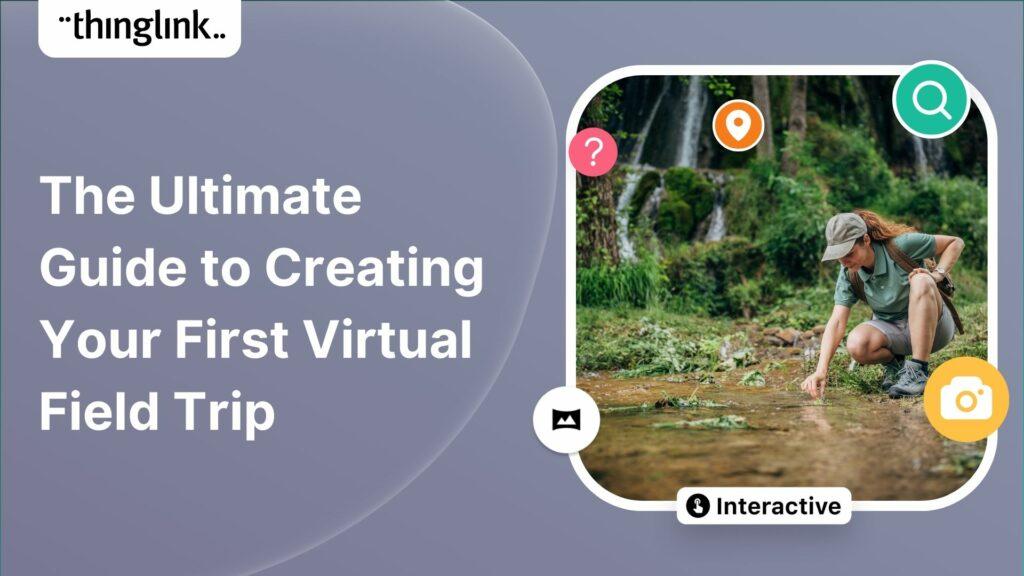
Unlock Learning: How Virtual Field Trips Expand Student Horizons Without Leaving the Classroom
In today’s ever-evolving educational landscape,virtual field trips are breaking down walls—literally and figuratively.Rather of being restricted by location or budget, educators and students are leveraging technology to visit museums, historical landmarks, and even outer space, all from the safety and comfort of their classrooms. These digital experiences are not only transforming the way students learn, but also unlocking new methods for engagement, inclusion, and exploration that were unimaginable a few decades ago.
What Are Virtual Field Trips?
Virtual field trips are online, interactive experiences that transport students to distant places through digital means. Utilizing videos, 360-degree panoramic views, live-streamed expert tours, and immersive VR simulations, these trips enable real-time exploration of museums, national parks, archaeological sites, and scientific facilities—all without leaving the classroom.
- 360-degree video tours: Explore locations with interactive, panoramic views.
- Live-guided events: Participate in real-time tours led by experts.
- Augmented and Virtual Reality (AR/VR): Experience simulations, historical recreations, and virtual labs.
- Interactive multimedia: access videos, quizzes, and resources tailored to curriculum standards.
These virtual experiences allow teachers to connect lessons to authentic locations, people, and phenomena worldwide, fostering curiosity and deeper understanding among students.
The benefits of Virtual Field Trips in Education
Integrating virtual field trips into classroom learning offers a myriad of benefits, enhancing both teaching and learning:
1. Unprecedented Accessibility
- Budget-friendly: No travel costs or logistical headaches.
- Inclusive: Students with mobility challenges or other barriers are able to participate fully.
- Global reach: Visit any place from the great Wall of China to the depths of the ocean, instantly.
2.Immersive and Engaging Learning
- Interactive content: Students engage with multimedia elements,interactive maps,and chat with field experts.
- Real-world connections: Bring abstract concepts to life with firsthand visuals and expert insight.
- Personalized pacing: Revisit and review trips as frequently enough as needed to reinforce key concepts.
3. Curriculum Integration and Enhancement
- Aligned with standards: Many virtual field trips are crafted to match learning objectives.
- Cross-disciplinary potential: Combine science, social studies, art, and language for holistic learning.
4. Fostering Critical 21st-Century Skills
- Digital Literacy: Students learn to navigate various digital platforms and resources.
- Collaboration: Many platforms enable real-time peer interaction and discussion.
- Curiosity and Inquiry: Promotes lifelong learning habits and independent research skills.
Popular virtual Field trip Destinations and Resources
There is no shortage of destinations and platforms offering top-notch virtual field trips. Here are a few highlights:
- Smithsonian National Museum of Natural History: Offers interactive virtual tours of its exhibits.
- Google Arts & culture: Features 360-degree tours of global museums, landmarks, and heritage sites.
- zooniverse: Enables students to take part in real scientific research projects.
- Explore.org LiveCams: Provides live webcams in natural habitats around the world—perfect for biology and environmental science studies.
- NASA Virtual Tours: Journey through Kennedy Space Centre, Mars Rover sites, and more.
Case Studies: Real-World Impact of Virtual Field Trips
Case Study 1: Global Awareness Through Art
A middle school in Texas integrated virtual museum tours to enhance their art and history curriculum. Students virtually visited The Louvre and the Metropolitan Museum of Art, participated in expert-led Q&A sessions, and created class presentations on world cultures. Teachers reported a notable increase in student engagement and cultural awareness.
Case study 2: Ecosystem Exploration in Science
An elementary science class in California leveraged Explore.org’s live cams to study animal behavior and biodiversity in real time, logging animal sightings and forming hypotheses. the hands-on, inquiry-based learning led to improved observation skills and deeper comprehension of ecosystem dynamics.
How to Implement Virtual Field Trips: Practical Tips for Educators
- Align trips with curriculum goals: Choose virtual field trips that strengthen or extend lesson objectives.
- Prepare students: Set the stage by introducing the location or theme, and encourage students to ask questions they hope to answer during the experience.
- Facilitate active participation: Use guiding worksheets, group tasks, or real-time polls to keep students engaged.
- Debrief and reflect: Hold post-trip discussions, encourage journals or creative projects, and connect the experience to broader learning.
- Leverage accessible technology: Use devices and platforms familiar to students; many virtual field trips work seamlessly on Chromebooks and tablets.
Pro tip: Consider recording the session (where permitted) for future review or to support students who missed the trip.
First-Hand Experience: A Teacher’s Perspective
“Taking my students on a virtual expedition to the great Barrier Reef sparked more excitement than any textbook ever could. They asked questions, debated environmental concerns, and even wrote persuasive letters about ocean conservation. The experience wasn’t just about new information—it was about igniting their passion for learning and discovery.”
— Mrs. Hernandez,6th Grade science Teacher
Overcoming Challenges and Making the Most of Virtual Field Trips
- Technology access: Work with IT staff to ensure all students have access to required devices and internet connectivity.
- Student engagement: Use interactive elements and pre-trip planning to maintain attention.
- Time management: Select shorter, focused trips—virtual experiences can be as brief or as comprehensive as desired.
- Follow-up activities: Assign projects, discussions, or research tasks to help students process and apply their new knowledge.
conclusion: The Future Is Virtual—and Limitless
Virtual field trips are revolutionizing the educational experience by expanding horizons, breaking barriers, and nurturing the next generation of global citizens—right from the classroom. These immersive digital journeys offer accessibility, engagement, and deep, real-world connections that conventional field trips cannot always provide. As technology continues to advance, the possibilities for enriching classroom learning through virtual field trips are truly limitless.
Ready to unlock learning and take your students on adventures around the world—without ever leaving your school? Embrace virtual field trips and watch classrooms transform into gateways to discovery, curiosity, and lifelong learning!