
Unlock Learning with virtual Field trips: Expand Horizons Without leaving the Classroom
In today’s fast-evolving educational landscape,teachers and students alike are searching for innovative ways to create meaningful learning experiences. Enter virtual field trips: an exciting and effective solution that enables classrooms to explore museums, ecosystems, historical sites, and more—all without stepping outside the school. In this comprehensive guide, we’ll uncover how you can unlock learning with virtual field trips, broaden educational horizons, and foster a love of revelation from the comfort of your classroom.
What Are Virtual Field Trips?
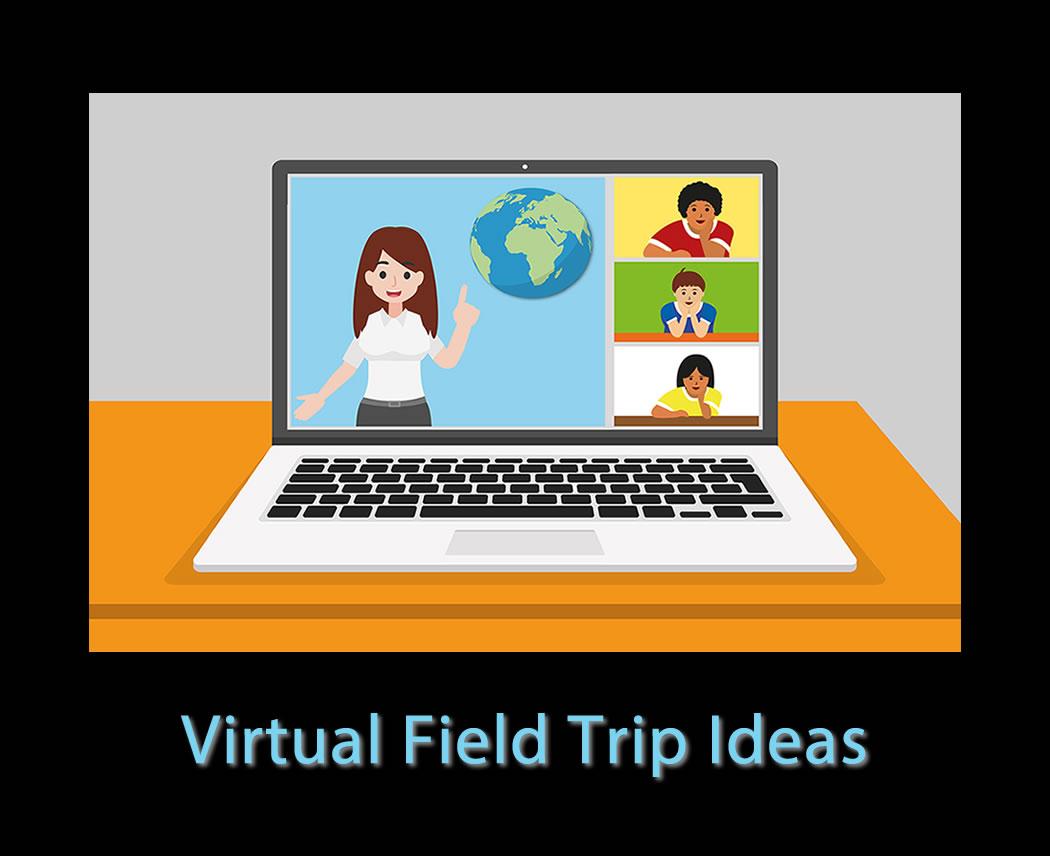
Virtual field trips are interactive online experiences that use digital technology to guide viewers through distant locations, cultural sites, museums, industry facilities, or natural wonders. These trips are typically delivered via video streaming, 360-degree imagery, VR platforms, and interactive web tools.Students can “visit” places that might otherwise be out of reach due to geographic, logistical, or financial limitations, making virtual field trips a powerful tool for inclusive and engaging education.
Benefits of Virtual Field Trips in the Classroom
Integrating virtual field trips into your curriculum offers a wealth of advantages for students, educators, and schools. Here are just a few key benefits:
- Accessibility: Breaks down barriers by enabling access to global destinations regardless of budget or location.
- Interactive Learning: Provides immersive, hands-on experiences that are frequently enough more engaging than traditional lectures.
- Cost-Effective: Eliminates travel expenses, permission slips, and complex logistics, freeing up valuable school resources.
- Curriculum Alignment: Seamlessly integrates with lesson plans, reinforcing key concepts across subjects like science, history, art, and more.
- Personalized Pace: Facilitators can pause, rewind, and focus discussions based on student needs and interests.
- Global Citizenship: Exposes students to diverse cultures, environments, and perspectives beyond thier immediate surroundings.
- Safe and Convenient: No need for transportation or liability concerns—students explore from the safety of the classroom.
Popular Types of Virtual Field Trips
The possibilities are virtually endless (pun intended)! Here are some of the most popular and impactful types of virtual field trips available today:
- Virtual Museum Tours – Explore iconic institutions like The Louvre, Smithsonian, or The British museum through interactive walkthroughs and digital exhibits.
- Historical Landmarks – Time-travel to famous historical sites, such as Ancient Rome, the Great Wall of China, or the pyramids of Egypt.
- Science and Nature Expeditions – Visit NASA, observe live cams from national parks, or journey underwater to coral reefs.
- Cultural Experiences – Attend virtual concerts, festivals, or cooking classes that celebrate traditions from around the world.
- Industry and STEM Tours – Take a behind-the-scenes look at cutting-edge technology labs, factories, or green energy facilities.
- Local Community Exploration – Connect with area experts, artists, and leaders for insight into your own region’s hidden treasures.
How to Plan and Execute a Successful Virtual Field Trip
To unlock the full learning potential of your virtual field trip,follow these tried-and-tested steps:
- Define Your Learning Objectives: Clearly outline what you want students to gain from the experience. Consider curricular ties and desired outcomes.
- Research and Select the Right Platform: Explore reputable sources and choose a platform or provider that offers high-quality, age-appropriate materials.
- Prepare students in Advance: Introduce the topic, set expectations, and provide background context to maximize engagement and understanding.
- Plan Interactive Elements: Incorporate quizzes, scavenger hunts, discussion questions, or group projects to encourage active participation.
- Facilitate Real-Time Engagement: Pause for Q&A, allow students to share observations, and encourage critical thinking throughout the tour.
- Assess and Reflect: Wrap up with assessments, creative reflections, or class presentations to solidify learning.
Case Studies: Virtual Field Trips in Action
Case Study #1: Exploring Art with the Smithsonian
Mrs. Johnson’s 6th-grade class utilized the Smithsonian’s virtual resources to tour the National Museum of African American History and Culture. Through live video calls and curated activities, students discussed civil rights struggles and analyzed historical artifacts. Post-trip, students worked in groups to create digital collages expressing the themes they explored.
Case study #2: Science Comes alive with Monterey Bay Aquarium
Mr. Lopez’s biology students joined a real-time virtual dive with Monterey Bay Aquarium scientists. the interactive session included live feeds from the kelp forest tank, real-time Q&A with a marine biologist, and digital games about food webs.Students later wrote blog posts imagining a day in the life of a sea otter.
practical Tips for Maximizing Engagement
- Leverage Technology: Use interactive whiteboards, tablets, or VR headsets (when available) to enhance immersion.
- Encourage Student Choice: Let students help select destinations to spark their curiosity and investment.
- Build Pre-Trip Excitement: Start with teaser videos, mystery images, or trivia to build anticipation.
- integrate Cross-Curricular Activities: Connect the field trip theme with writing assignments, art, or hands-on projects.
- Collaborate with Other Classrooms: Partner with classes locally or globally to share experiences and broaden perspectives.
- Accommodate different Learners: Provide multiple formats (captioned videos, recorded tours, visual aids) to ensure inclusivity.
First-Hand Experience: A Teacher’s Outlook
“At first, I was skeptical that a virtual field trip could match the excitement of a real one. But after guiding my students through the Google Arts & Culture platform, I was amazed. Engagement was off the charts, and students asked thoughtful questions about exhibits they’d never have seen otherwise. In many ways, virtual field trips offered even more learning opportunities than traditional excursions.”
Top recommended Virtual Field Trip Resources
- Google Arts & Culture
- Smithsonian Virtual Tours
- National Geographic Virtual Field Trips
- Monterey Bay Aquarium Virtual Tours
- Discovery Education Virtual Field Trips
- Virtual Museum of Canada
Conclusion: Expanding Horizons is Just a Click Away
Unlocking learning with virtual field trips opens doors to educational adventure, deeper curiosity, and a greater appreciation of our world. Whether you’re constrained by resources or inspired by the technology at your fingertips, virtual field trips prove that discovery knows no bounds. By leveraging these tools, educators can provide transformative learning moments—expanding horizons for every student, everywhere, without ever leaving the classroom.
Ready to get started? explore the recommended resources above,brainstorm with your students,and embark on a new journey of discovery. The world is waiting—virtually!