
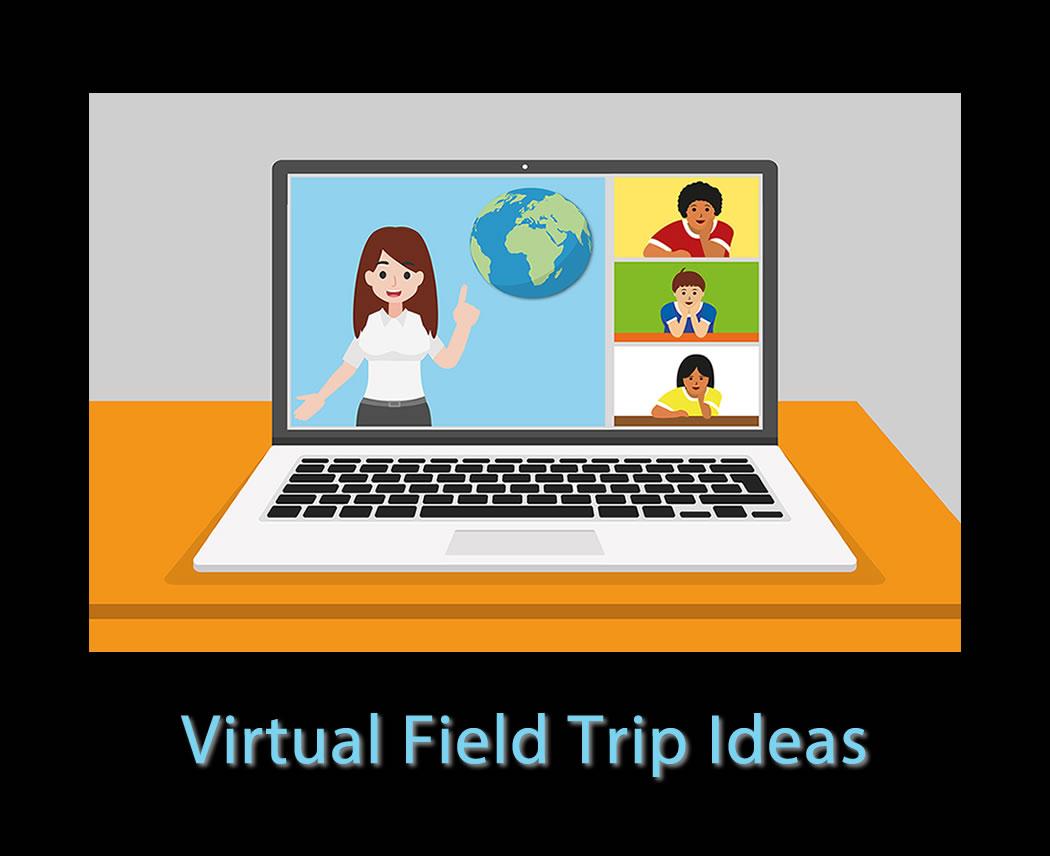
Unlock Learning with Virtual Field Trips: Expand Students’ Horizons Without Leaving the Classroom
Imagine a world where students can explore ancient Egyptian pyramids, dive into the Great Barrier Reef, or walk through NASA’s mission control—all without leaving their classroom. Thanks to virtual field trips, this is not just a dream but a dynamic reality. In today’s digital age, educators are harnessing the power of technology to bring immersive, interactive experiences directly to students, unlocking new ways of learning and expanding their horizons beyond walls and borders.
What Are Virtual Field Trips?
A virtual field trip is an educational experience that leverages technology to transport students to places they might not be able to visit physically. Using platforms like Google Expeditions, Discovery Education, or custom 360-degree videos, teachers can guide classes through interactive tours, real-time webcams, and digital simulations of real-world locations or events.
- Immersive 360° tours: Explore museums, landmarks, and natural wonders using panoramic images and videos.
- Live virtual interactions: Connect with experts, guides, or students from other countries via live video sessions.
- Interactive multimedia: Access rich resources such as quizzes, past reenactments, and virtual labs.
Key Benefits of Virtual Field Trips
Integrating virtual field trips into the curriculum goes beyond just convenience. Hear’s how this innovative approach can significantly enrich the educational journey:
1. Accessibility and Equity
Not every school can plan costly excursions, but virtual field trips eliminate barriers related to distance, budget, and accessibility. Every student—regardless of their location or background—gets equal access to world-class experiences.
2. Enhanced Engagement and Motivation
virtual experiences are naturally engaging. The use of interactive visual media captivates students’ attention, encourages participation, and can spark lasting curiosity in subjects from science to social studies.
3. Real-World Connections
Students can see, hear, and sometimes even interact with professionals, scientists, or historians in real settings—bridging the gap between classroom learning and real-world application.
4. Versatility and Customization
Educators can tailor each virtual trip to complement their lesson plans, pause to discuss key points, or revisit experiences as needed—making learning truly student-centered.
5. Safe, Hassle-Free Logistics
No worries about permissions, supervision ratios, or transportation—virtual field trips are a stress-free way to introduce exciting content into your classroom.
Popular Virtual Field Trip destinations and Platforms
The possibilities for exploration are vast. Here are some popular and reputable platforms offering immersive journeys for students:
- Google Arts & Culture – Tour world museums, heritage sites, and art masterpieces.
- Discovery Education – Rich virtual field trips in partnership with leading organizations.
- Smithsonian Virtual Events – Join live and recorded science and history tours.
- National Parks Virtual Tours – Explore the natural beauty and biodiversity of US National Parks.
- NASA Mars Rover – Track the Mars rover in real-time and go behind the scenes at NASA.
Practical tips for Implementing Virtual Field Trips
To maximize the educational impact, consider these best practices for integrating virtual field trips into your teaching:
- Align with Learning Objectives: Choose experiences that support curriculum goals and enhance specific lessons.
- Prepare Students: Set expectations, provide background facts, and encourage curiosity by discussing what they’ll see and learn.
- Engage with interactivity: Use available interactive features—quizzes, live Q&A, or student projects—to foster active involvement.
- Encourage Reflection: Ask students to share observations, questions, or creative projects based on their virtual experience.
- Assess Understanding: incorporate post-trip discussions,digital journals,or group activities to solidify learning.
Real-World Case Studies
Many schools and teachers are already using virtual field trips to transform learning. Here are two inspiring examples:
Case Study 1: Exploring Ancient Civilizations with AR/VR
“Our students were fascinated by walking through the ruins of Pompeii using VR headsets. It was like stepping back in time—they could see artifacts up close and understand the impact of volcanoes in a whole new way. The engagement level was amazing, and the discussion that followed was the best we’ve ever had after a lesson on ancient history.”
— History Teacher, Middle school, Texas
Case Study 2: Science in Action with Live Webinars
“We joined a live-streamed tour of the Monterey Bay Aquarium and interacted with marine biologists in real time. Students asked questions about sea otters and ocean conservation, which made our unit on ecosystems truly come alive. The virtual field trip sparked several students’ interest in marine science careers.”
— 5th Grade Science Teacher, California
First-Hand Experience: A Teacher’s Viewpoint
Incorporating virtual field trips doesn’t require advanced tech skills or expensive equipment. Many teachers start with basic laptops and projectors, expanding as resources allow. Here’s what one educator shared about the experience:
”I was initially hesitant about virtual field trips, but the positive response from students was overwhelming. They loved the interactive quizzes and the sense of ‘being there.’ even my shyest students participated more actively than they do in traditional settings.”
— 4th Grade Teacher, New York
Teachers also report increased collaboration as students work together to solve problems, complete challenges, or present their findings after a virtual excursion.
Common challenges and solutions
While virtual field trips offer numerous advantages,there can be hurdles to overcome:
- Technical Issues: Ensure reliable internet and test your chosen platform beforehand.
- Student Engagement: Mix short bursts of virtual exploration with class discussions and interactive tasks.
- Screen Fatigue: Balance on-screen activities with hands-on or outdoor follow-up tasks where possible.
- Content Relevance: Choose high-quality, age-appropriate material for your students’ grade level and interests.
Conclusion: Transform Learning with Virtual Field Trips
Virtual field trips break down classroom walls,unlocking powerful opportunities for global learning and personal growth.Whether exploring the wonders of the natural world, diving into history, or connecting with global experts, students enrich their education in ways once thought unfeasible. Best of all, these experiences foster lasting curiosity, creativity, and a passion for lifelong learning.
Ready to embark on your virtual adventure? With careful planning, creativity, and the right resources, you can unlock learning with virtual field trips and expand your students’ horizons—all without ever boarding a bus!