
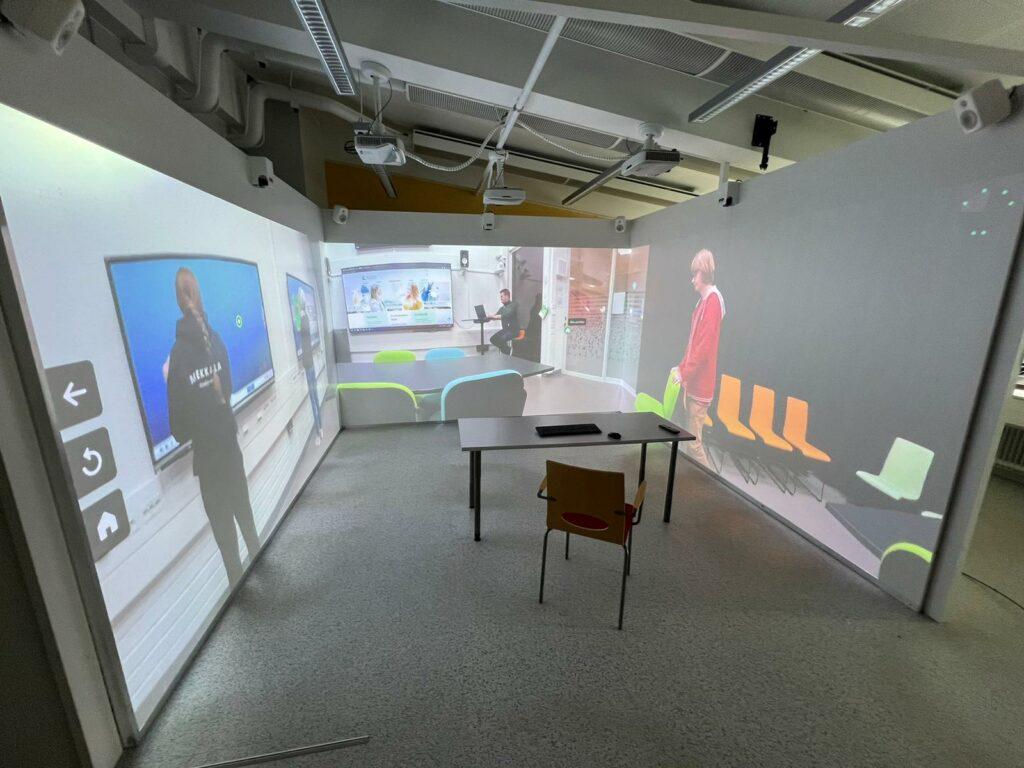
Unlock Learning with Virtual Field Trips: Expanding Student Horizons Without Leaving the Classroom
In today’s digital age, the customary boundaries of the classroom are fading, giving rise to innovative and immersive learning experiences. Virtual field trips stand at the forefront of this educational revolution, enabling students to explore far-off destinations, historic monuments, cutting-edge scientific laboratories, and more—all without ever leaving their seats. by harnessing technology, educators can unlock a world of knowledge and inspiration, providing students with an interactive way to connect with curriculum content and broaden their perspectives.
What Are Virtual Field Trips?
Virtual field trips are online educational experiences or journeys that transport students to new locations via the internet, often using a combination of videos, photos, live streaming, animations, and interactive activities. Whether it’s touring an ancient ruin, observing wildlife in remote habitats, or stepping inside NASA’s control room, these virtual adventures bring learning to life in ways that static images and textbooks cannot.
Types of virtual field Trips
- Live Virtual Tours: Real-time interactions with guides or experts via video conferencing platforms.
- Pre-recorded Journeys: On-demand tours that students can explore at their own pace.
- Interactive 360° Experiences: Virtual reality (VR) or 360-degree videos that immerse students in different settings.
- Augmented Reality (AR) Adventures: Digital overlays that blend virtual elements with the real classroom surroundings.
Why Virtual Field Trips Matter in Modern Education
The benefits of virtual field trips go beyond just engaging students. They have the power to transform education by making learning accessible,equitable,and exciting for all.
key Benefits of Virtual Field Trips
- Inclusivity and Accessibility: Virtual field trips remove physical, financial, and location-based barriers, ensuring all students can participate, including those with special needs.
- Cost-Effective: Eliminating transportation, ticket, and chaperone expenses, virtual field trips are budget-friendly for schools and families.
- Enhanced Engagement: Interactive multimedia content captures students’ attention and caters to various learning styles.
- Real-World Connections: Students can see the practical application of classroom concepts and interact with experts in the field.
- Safe Exploration: Students can explore hazardous or distant locations (like volcanoes, deep oceans, or space centers) safely from their classroom.
- Curriculum Integration: Teachers can align virtual trips with lesson plans and learning objectives for deeper understanding.
“The world is a book, and those who do not travel read only a page.”
— Saint Augustine
Case Studies: Virtual Field Trips in Action
Let’s examine a few real-world examples where virtual field trips have had a profound impact on student learning outcomes.
1. Exploring the Smithsonian National museum of Natural History
During the COVID-19 pandemic, classrooms across the United States leveraged the Smithsonian’s 360-degree virtual tours. Students explored dinosaur fossils and ancient cultural artifacts from home. A fifth-grade science teacher in Texas reported improved test scores and heightened curiosity among her students after integrating these tours into her curriculum.
2. Live Zoo Interactions: San Diego Zoo Global Academy
Students in rural districts connected via Zoom with zookeepers, observing live animal feedings and engaging in Q&A sessions. The interactive nature and ability to ask experts in real time created memorable experiences, expanding students’ understanding of biology and conservation.
3. International Language Immersion with Google Expeditions
A high school Spanish class in New York used Google Expeditions to immerse themselves in virtual tours of Mexico City markets. Students practiced conversational spanish with local guides and applied their language skills in authentic scenarios, which boosted both confidence and proficiency.
How to Implement Virtual Field trips in Your Classroom
Integrating virtual field trips into your teaching practice is easier than ever, thanks to a growing selection of free and paid resources. Here are some practical steps and tips to get started:
Planning and Preparation
- Identify Curriculum Goals: Choose destinations and experiences that align with your lesson objectives.
- Research Platforms: Explore platforms like Google Arts & Culture, Discovery Education, or National Geographic Education.
- Check technology Requirements: Ensure devices, internet access, and necessary software are available and compatible.
- Engage Stakeholders: Inform parents, administrators, and IT staff in advance for smooth implementation.
Conducting the Virtual Field Trip
- Prepare Pre-trip Activities: Share background data, discussion questions, or scavenger hunts to build excitement and context.
- Facilitate During the Trip: Guide students’ exploration, encourage note-taking, and foster participation through discussion or live chats.
- Post-Trip Reflection: Host a debrief session, assign creative projects (e.g., digital storytelling, presentations), and solicit student feedback to maximize learning retention.
Practical Tips for Success
- Start Small: Pilot a short, simple virtual trip before tackling longer, more complex experiences.
- Leverage Interactivity: Use quizzes, polls, and breakout groups to keep students engaged.
- Integrate Across Subjects: Connect virtual field trips with language arts, history, science, and art for cross-curricular impact.
- Celebrate Diversity: Choose destinations and topics that reflect the diverse backgrounds and interests of your students.
Popular Virtual Field Trip Resources
- Google Arts & Culture: Offers free virtual tours of museums, landmarks, and world heritage sites.
- discovery Education Virtual Field Trips: Features live and on-demand digital experiences with accompanying classroom resources.
- National Geographic Virtual Field Trips: Focuses on science, geography, and real-world exploration.
- Smithsonian Virtual Museum Tours: Access to Smithsonian museum collections and research.
- Zooniverse: Citizen science projects and virtual animal observations for students.
First-Hand Classroom Experiance
“As a middle school social studies teacher,introducing virtual field trips has transformed my classroom. last semester, my students took a virtual journey to Ancient Rome. The 360-degree reconstructions and expert narrations kept them glued to their screens, asking thoughtful questions and connecting historical events to current topics. Parents also commented on how their children brought these virtual adventures home, sharing newfound knowledge with family members. It has sparked a love for learning I hadn’t seen before.”
— Sarah winfield,Educator,Ohio
overcoming Challenges: Maximizing the Value of Virtual Field Trips
While the advantages are numerous,educators may face challenges such as limited internet access,device availability,or digital literacy gaps. Here’s how to address these concerns:
- Offline Options: Downloadable content or virtual trips that don’t require continuous internet connectivity.
- Device Sharing: Rotational schedules and group collaborations to address device shortages.
- Digital Literacy Training: Brief tutorials for students and staff to build confidence with new platforms.
- tech Support: Partnering with IT professionals to troubleshoot issues and ensure smooth experiences.
Conclusion: Embrace the Future of learning with Virtual Field Trips
Virtual field trips are redefining how students experience the world. By integrating these immersive journeys into your teaching toolkit, you empower students to see, hear, and interact with far-flung ideas and cultures—without the logistical headaches of traditional travel. Not only do virtual field trips expand student horizons, but they also foster curiosity, critical thinking, and a lifelong love of learning. As technology continues to evolve, so too will the possibilities for innovation in education. Unlock learning, inspire curiosity, and watch your students thrive—all from the comfort of the classroom.
Ready to start your first virtual field trip? Browse the recommended resources above and transform your next lesson into an unforgettable adventure!