
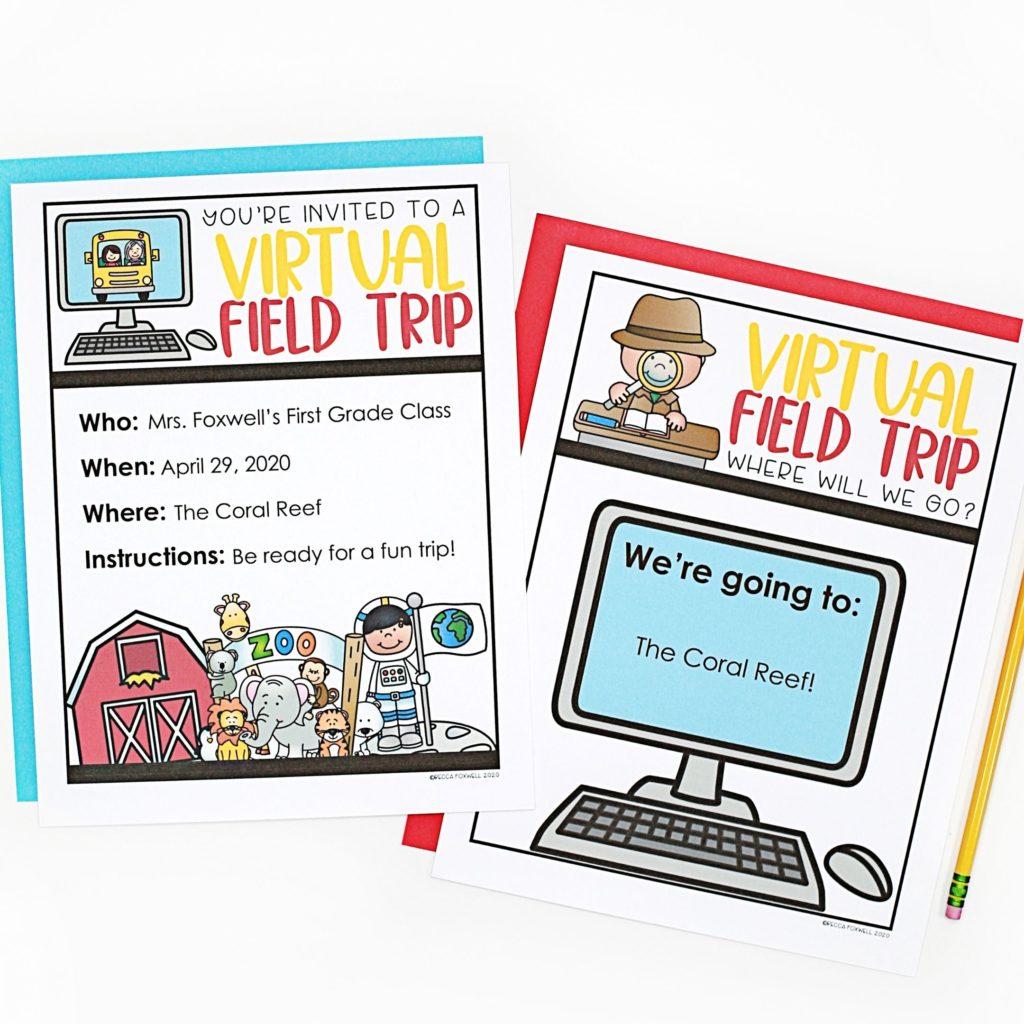
Unlock Learning with virtual field Trips: Explore the World from your Classroom
imagine giving students the opportunity to tour the Louvre in Paris,dive into the coral reefs of Australia,or walk through the halls of NASA—all without leaving the classroom. Virtual field trips are revolutionizing education by unlocking doors to global learning and immersive experiences. In today’s rapidly digitizing world, educators can empower students to explore the world, all through the lens of technology. Let’s discover how you can enrich your teaching and enhance student engagement with virtual field trips.
What Are Virtual Field Trips?
A virtual field trip is an online experience that takes students to locations, environments, and events via digital platforms. Using video tours, VR simulations, live streams, and interactive websites, these field trips emulate real-world excursions, making learning accessible and exciting from any classroom.
- Live virtual tours: Real-time walkthroughs with guides or experts.
- 360-degree videos and VR environments: Immersive explorations of museums, natural parks, historic sites, and more.
- Interactive websites: Gamified or inquiry-based content with quizzes and multimedia.
Key Benefits of Virtual Field Trips
virtual field trips aren’t just a substitute for traditional outings—they’re a transformative resource for schools, families, and learners worldwide. Here’s how they make an impact:
1. Accessible Global exploration
- Overcome resource limitations: No travel costs, chaperone requirements, or complex logistics.
- Reach remote or underserved students: Bring the Paris Opera, Amazon Rainforest, or Smithsonian into the classroom.
2. Interactive and Engaging Learning
- Stimulate curiosity: Dynamic visuals and real-time Q&A enhance engagement.
- Hands-on participation: Students can interact, ask questions, and complete digital challenges.
3.Cross-Curricular Connections
- support STEM, history, art, and geography: Subject integration and practical applications.
- collaborative projects: Use trips as a springboard for group research and presentations.
4. Personalized and Scaffolded Experiences
- Adapt trips for all ages and abilities: Customizable content for K-12 and beyond.
- Safe and controlled environments: Teachers can moderate and tailor experiences for individual needs.
Popular Platforms and Destinations for Virtual Field Trips
Several educational platforms and cultural organizations offer ready-to-use virtual field trips for teachers and students:
- google Arts & Culture: Explore over 2,000 museums, historical sites, and artwork collections worldwide.
- National Geographic Education: Immersive videos and interactive activities covering ecosystems, cultures, and science expeditions.
- The smithsonian Learning Lab: Free resources and virtual museum tours tailored to curriculum needs.
- Museum of Modern Art (moma): Online workshops and curated exhibitions for hands-on art exploration.
- Virtual Reality Expeditions (ClassVR, Nearpod VR): 360-degree lesson plans from ancient Egypt to outer space.
Case Studies: Real-World Impact of Virtual Field Trips
Connecting Rural Classrooms to the World
A Middle School in rural Texas faced budget constraints for traditional field trips. By leveraging the Virtual Tour of Ellis Island via Scholastic and interactive sessions with park rangers at Yellowstone National Park, students gained firsthand historical and environmental knowledge. The result: increased engagement and test scores in social studies and science.
Art Education for All: Louvre Virtual Visits
an elementary school in the UK used the Louvre’s virtual gallery tours to introduce students to art and culture. Interactive Q&A and scavenger hunts replaced worksheets,boosting creativity and critical thinking skills. Teachers saw improved classroom participation, especially among learners with visual or mobility challenges.
STEM Success with NASA live Streams
High school students participated in a NASA virtual field trip, joining live chats with astronauts and exploring the International Space Station through VR. This immersive experience not only brought STEM subjects to life but also inspired several students to pursue careers in aerospace and technology.
Firsthand Experience: Tips from Educators
Teachers who have embraced virtual field trips share practical strategies for making them successful:
- Prepare students: Introduce the destination and objectives ahead of time.
- Choose interactive platforms: Look for options with real-time Q&A, quizzes, and discussion forums.
- Integrate with lesson plans: Use virtual trips to complement ongoing curriculum topics.
- Encourage student-led exploration: Assign research projects or group presentations based on the trip.
- Debrief and reflect: Host post-trip discussions and activities to reinforce learning.
“Virtual field trips have opened our students’ eyes to worlds they never imagined. The interactive session with marine biologists from the Great Barrier Reef not only educated the class, but also sparked a school-wide conservation project.”
– Ms. Aria Wong, Grade 5 Science Teacher
Practical Tips: How to Organize a Successful Virtual Field Trip
- Set Goals and Align with Curriculum: define learning objectives that complement your lesson plan.
- Research and Select a Suitable Platform: Check for interactive features, accessibility, and educational alignment.
- Test Technology in Advance: Ensure stable internet, compatible devices, and audio/video quality.
- Engage Students Before, During, and After: Use pre-trip activities, live Q&A, and reflection assignments to maximize learning.
- Involve Parents and Community: Share virtual field trip opportunities with families and encourage community participation.
Challenges and Solutions
While virtual field trips are powerful learning tools, there are challenges to consider:
- Technical difficulties: Plan backup activities and familiarize yourself with troubleshooting guides.
- student participation: Utilize interactive tasks and small group discussions to maintain engagement.
- Accessibility concerns: Choose platforms with closed captions, audio descriptions, and adaptable user settings.
Conclusion: Unlocking a World of Possibilities
Virtual field trips have redefined the boundaries of learning, enabling educators and students to explore the world from any classroom. Not only do these innovative experiences make education more interactive and inclusive, but they also inspire lifelong curiosity and a global perspective. Whether you’re a classroom teacher, homeschool parent, or administrator, integrating virtual field trips is a forward-thinking strategy to elevate your curriculum, energize your students, and unlock new possibilities for every learner.
Start planning your next virtual field trip today and let your students discover, connect, and learn without limits!