
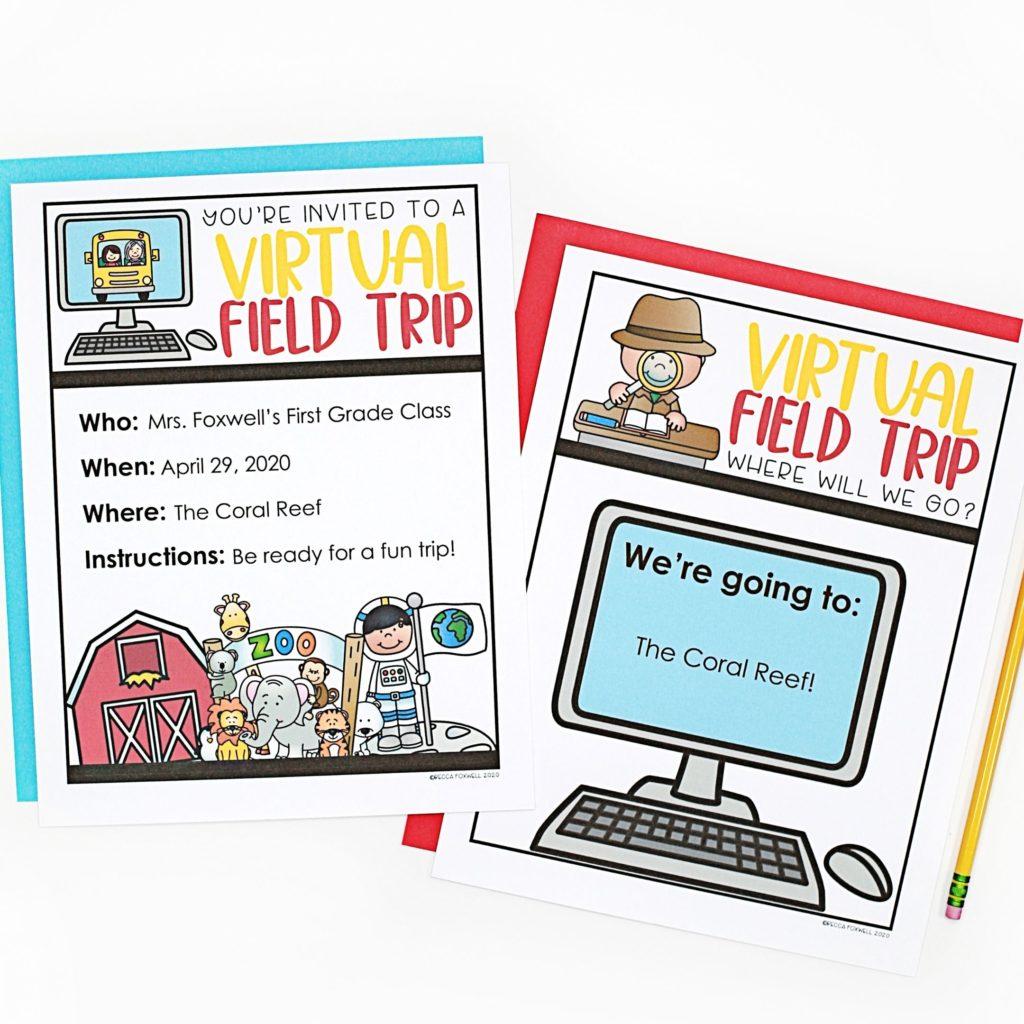
Unlock Learning with Virtual Field Trips: Exploring the World from Your Classroom
Imagine students exploring the Great Wall of China, diving with marine biologists in the Great Barrier reef, or stepping inside NASA’s Kennedy Space Center—all without leaving their classroom. Virtual field trips are revolutionizing education by making global learning experiences accessible, interactive, and engaging. In this comprehensive guide, we’ll uncover how you can unlock learning with virtual field trips, the benefits for modern classrooms, practical implementation tips, insightful case studies, and inspiring first-hand experiences from educators.
What Are Virtual Field Trips?
Virtual field trips (VFTs) are online experiences that transport students to fascinating places around the world using digital technologies like video conferencing, 360-degree videos, and interactive websites. From historic landmarks to natural wonders, these immersive tools allow students to interact with experts, explore new environments, and foster a deeper understanding of curricular topics.
- Live Virtual Field Trips: Guided by experts in real-time, allowing students to ask questions and participate.
- Pre-recorded Virtual Tours: Self-paced explorations of museums,wildlife reserves,ancient ruins,and more.
- Interactive Simulations: Combines multimedia and gamification for engaging STEM and arts education.
Benefits of Virtual Field Trips in the Classroom
1. Global Access and Equity
- Inclusivity & Accessibility: Students everywhere, nonetheless of location or physical ability, can participate in world-class experiences.
- Cost-effective: Eliminates travel expenses, permission forms, and logistical hurdles associated with traditional field trips.
2. Engagement and Motivation
- Multisensory learning through live videos, audio, and interactive activities.
- Sparks curiosity and increases student motivation by bringing lessons to life.
3. Curriculum Enhancement
- Aligns with STEM, history, geography, arts, and literacy lessons.
- Offers real-world context to abstract or complex concepts.
4. Safe and Flexible Learning
- Students can explore new locations without health or safety concerns.
- Customizable to different grade levels, topics, and timeframes.
Practical Tips for Implementing Virtual Field Trips
1. Planning Your Virtual Excursion
- Set clear learning objectives—connect your trip to specific curriculum standards.
- Research reputable sources—use established platforms like Google Expeditions, Discovery Education, national Geographic, and museums’ official websites.
- Ensure technology readiness—test devices, internet connectivity, and necessary software ahead of time.
2. Maximizing Student Engagement
- Prepare pre-visit activities like reading assignments or introductory videos.
- Encourage questions—invite students to submit queries before and during the trip.
- Use breakout discussions and interactive polls during live sessions.
- leverage tools like VR glasses for an enhanced experience if available.
3. Post-Trip Reflection and Assessment
- Have students create journals, video blogs, or posters summarizing what they learned.
- Link the virtual field trip experience back to classroom activities—debates, research projects, or collaborative writing.
- Solicit student feedback to improve future virtual excursions.
Popular Platforms and Resources for Virtual Field Trips
- Google Arts & culture: access global museums and cultural sites.
- NASA Virtual Tours: Explore planets, rockets, and space technology.
- Discovery Education: A wide array of curriculum-aligned live and on-demand field trips.
- Smithsonian Institution: Virtual exhibits in history, science, and art.
- National Geographic Explorer Classroom: Real-time sessions with scientists, explorers, and conservationists.
Case Studies: Virtual Field Trips in Action
1. Bringing the Rainforest to Life – Elementary Science
A fifth-grade class in Seattle used a virtual field trip to the Amazon rainforest via discovery Education. Students observed live streams of wildlife, connected with researchers, and participated in a Q&A session.As an inevitable result, engagement soared, and students later created a classroom mural based on species they encountered—showing a marked increase in retention and interest in ecology.
2. Exploring Space – Middle school STEM
Using NASA’s interactive platform, a middle school science class took a guided virtual tour of the Kennedy Space Center and watched a rocket launch via VR. This experience deepened their understanding of space travel, directly supported the STEM curriculum, and inspired student-led research projects about astronaut life.
3. Language Arts and Global Understanding
A high school English class participated in a virtual literary walking tour of London, visiting sites featured in Shakespeare’s plays and classic novels. Students not only enhanced their gratitude for literature but also gained cultural context—making their reading assignments come alive.
First-Hand Experience: Educator Perspectives
“My students lit up during our live virtual journey to the Louvre Museum. Connecting with an art curator who answered their questions made art history more tangible and personal.”
– Jillian, Art Teacher, Illinois
many educators report increased participation from students who might or else be reluctant to join real-world trips due to travel anxiety, disabilities, or financial constraints.Virtual field trips open doors for all learners and provide creative new ways to tie real-world experiences directly into lessons.
Addressing Challenges and Ensuring success
- Technical issues: Always test equipment ahead of time, have backup devices, and prepare alternative plans in case of connectivity problems.
- Student Distraction: Structure the trip with clear timelines,interactive checkpoints,and small-group activities to sustain focus.
- Integration with Standards: Choose trips that include lesson plans, worksheets, or built-in assessments for seamless curriculum alignment.
Conclusion: Expand Horizons with Virtual Field Trips
Virtual field trips are a powerful tool for unlocking learning and making education truly global. By bringing diverse environments, experts, and experiences into your classroom, you enhance student engagement, deepen understanding, and cultivate empathy across cultures. With the right planning and resources, every teacher can harness the power of virtual field trips to inspire lifelong curiosity—and ensure every student can explore the world, no matter where they are.
Ready to unlock your classroom’s potential? Start planning your next virtual field trip and watch your students’ enthusiasm—and knowledge—grow!