
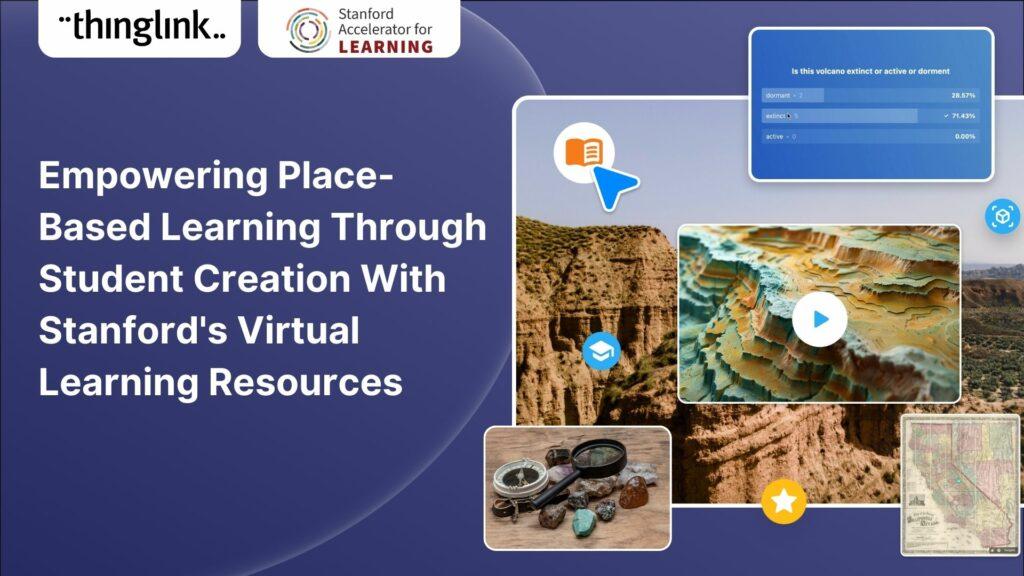
unlock Learning with Virtual Field Trips: How to Expand Horizons Without Leaving the Classroom
In our increasingly connected world,virtual field trips are revolutionizing education.No longer do learning adventures depend on bus rides, expensive fees, or logistical headaches. Teachers are now embracing digital excursions that let students experience the wonders of the world—from museum galleries and rainforest treetops to historical landmarks and cutting-edge laboratories—right from their own classrooms. Dive into how you can unlock learning with virtual field trips, discover their many benefits, and gather practical tips to expand your students’ horizons—without ever leaving your school.
What Are Virtual Field Trips?
Virtual field trips are educational experiences delivered through digital technology, frequently enough using videos, live streams, VR, or interactive apps. These trips give students the chance to “visit” distant places, interact with subject-matter experts, and immerse themselves in topics that go beyond the textbook—all within an online habitat. Whether you’re teaching in a physical classroom or facilitating remote learning, virtual field trips can be a dynamic tool for enrichment.
Benefits of Virtual Field Trips in Education
- Accessibility: students can explore landmarks, museums, and natural wonders regardless of location, socioeconomic background, or physical abilities.
- Affordability: Many virtual excursions are free or low-cost, saving schools on transportation, entry fees, and permissions.
- Curriculum Integration: Virtual trips can align seamlessly with standards, supporting topics in science, history, geography, and the arts.
- Interactivity & Engagement: Platforms frequently enough include live chats,guided tours,and interactive challenges that keep learners actively involved.
- Time Efficiency: Field trips can be completed in a single class period, or extended over several days for deeper exploration.
- Exposure to Diverse Perspectives: Students can connect with experts, cultures, and peers worldwide—broadening their worldview in ways conventional field trips often cannot.
- Inclusivity: Virtual trips foster equitable access for all, including students with physical or geographical constraints that make traditional visits challenging.
How to Implement Virtual Field Trips: Practical Tips for Teachers
- Identify Your Learning Goals: Decide what curriculum objectives or learning targets you want the trip to support. For example, do you want your students to observe animal habitats, explore historic landmarks, or understand ocean ecosystems?
-
Choose the Right Platform: There are countless resources for virtual field trips, including:
- Google Arts & Culture (artsandculture.google.com)
- Smithsonian National Museum of Natural History’s Virtual Tours
- NASA’s Virtual Tours and Live events
- National Geographic Expeditions
- Finding Education Virtual Field Trips
- Prepare Your Students: Set the stage by sharing background details, key vocabulary, and what students will observe or do during the trip.
- engage During the Experience: Encourage students to take notes, ask questions, or participate in live Q&A sessions. Some platforms even allow real-time interaction with guides or scientists.
- Reflect and Extend Learning: after the trip, facilitate discussions, assign reflection activities, or integrate what was learned into ongoing projects.
- Make It Inclusive: Ensure that all students have access to required technology and accommodations as needed.
Popular Virtual Field Trip Resources and Platforms
Educational Museums & Landmarks
- The Louvre (France)
- British Museum (UK)
- Natural History Museum (London)
real-Life Success Stories: Virtual Field Trips in Action
“Our class visited the Smithsonian’s National Zoo via a virtual field trip.My students saw pandas and lions up close, asked zookeepers questions using the chat, and learned about animal habitats. It wasn’t just a substitute for a ‘real’ field trip—it was an amazing, interactive learning event that brought excitement to our science curriculum!”
— Ms. Carter, 3rd Grade Teacher
Across the globe, teachers share similar stories—where virtual field trips fueled engagement and curiosity:
- Middle schoolers in Indiana joined NASA engineers for a live Mars rover demonstration, applying science and math skills in new ways.
- High school art students in California explored the Vatican’s Sistine Chapel virtually, then created their own Renaissance-inspired murals.
- Rural classrooms in Australia “visited” the Great Barrier Reef using immersive 360-degree video and discussed conservation with marine biologists.
Such experiences don’t just fill in for missed excursions—they redefine what’s possible in 21st-century education.
Frequently Asked Questions: Virtual Field trips
Are virtual field trips suitable for all ages?
Absolutely! Many platforms provide differentiated experiences for elementary, middle, and high school students. Some offer hands-on activities, while others boast elegant challenges for older learners.
What technology do I need for a virtual field trip?
Typically, a basic computer, tablet, or interactive whiteboard with internet access is sufficient. For more immersive VR experiences, affordable headsets may enhance the adventure.
how do I make a virtual field trip interactive?
Look for platforms with live guides, real-time Q&A, or simulations that prompt critical thinking. Encourage students to ask questions, complete scavenger hunts, or share post-trip reflections.
How do I build student excitement?
- Share teasers or “trailer” videos before the trip.
- Let students help choose the destination.
- Hold a themed day or dress-up related to the destination.
Conclusion: Expanding Educational Horizons with Virtual Field Trips
Virtual field trips are more than just a response to logistical challenges—they’re a powerful, future-ready strategy for engaging learners and connecting the classroom to the wider world. By adopting virtual field trips, educators can provide inclusive, cost-effective, and unforgettable educational experiences that inspire curiosity, critical thinking, and global citizenship. Start exploring digital destinations today,and watch your students’ horizons expand—without the need for a permission slip.
Want more resources for virtual learning or need help integrating digital adventures into your curriculum? Stay tuned to our blog for practical tips, tech guides, and inspiring stories from classrooms globally.