
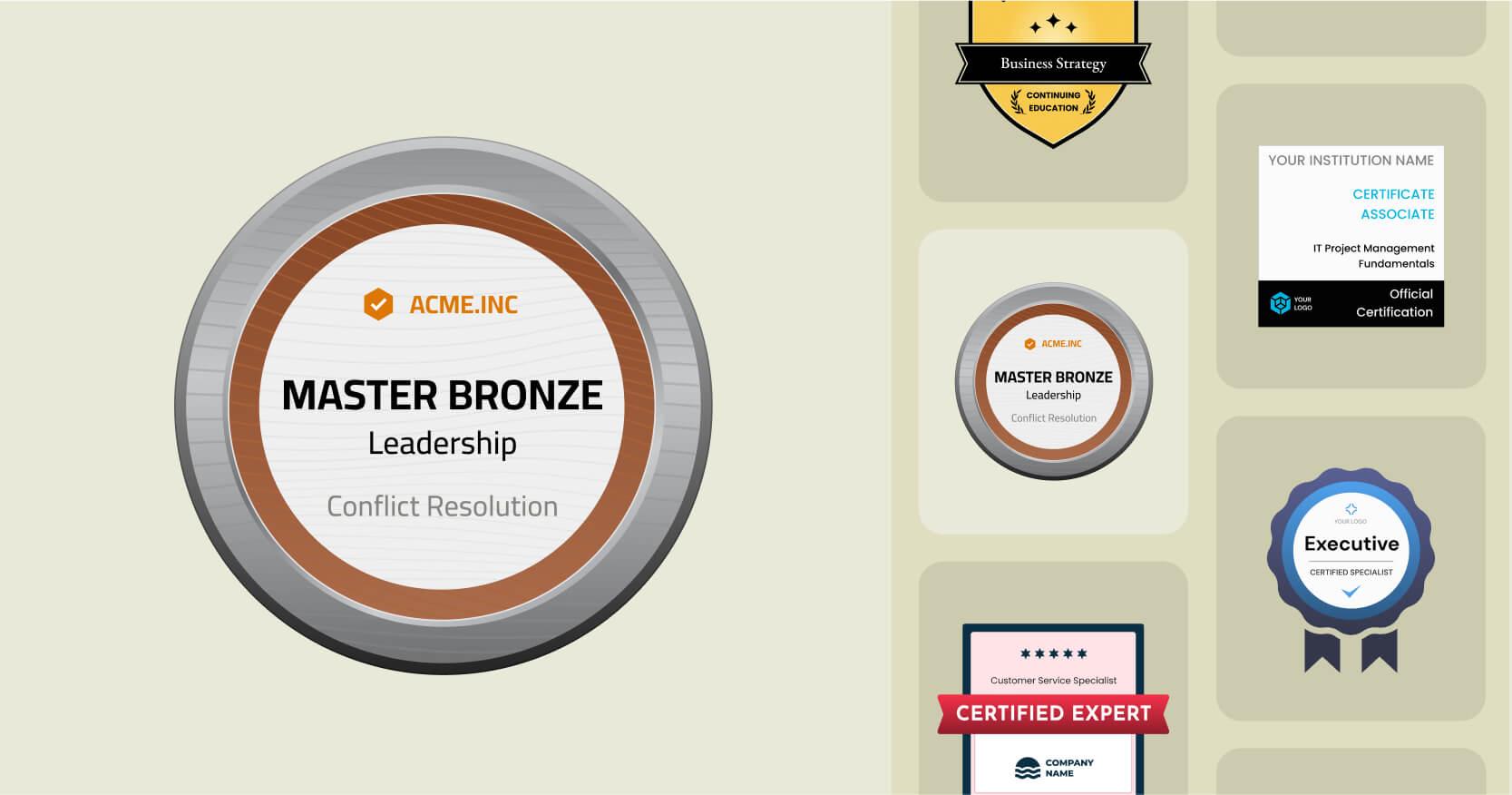
Unlock Potential: How Digital Badges Recognise Skills and Achievements
In today’s fast-paced digital world, recognising skills and achievements is more vital than ever, especially as conventional credentials alone are no longer sufficient to prove competencies.Enter digital badges — verifiable credentials that unlock potential, celebrate accomplishments, and open new opportunities. Whether you’re a learner, educator, or employer, understanding how digital badges work can enhance your educational journey or hiring process. in this thorough guide, we’ll explore how digital badges recognise skills and achievements, their key benefits, practical tips for leveraging them, and inspiring real-world examples.
What are Digital Badges?
Digital badges are portable, secure visual tokens awarded for mastering a skill, completing a course, or achieving a milestone. Unlike traditional certificates, digital badges are:
- Embedded with metadata for authenticity
- Easily shareable online (LinkedIn, resumes, email signatures, social media)
- Accessible across devices and platforms
They encapsulate detailed details about the accomplishment, such as issuer, criteria, date earned, and even supporting evidence. This makes them powerful tools for recognising skills and achievements in both academic and professional settings.
Why Are Digital badges Important?
The demand for skills recognition and alternative credentials is surging globally. Digital badges bridge the gap between formal education and real-world expertise by:
- Showcasing Achievements: Learners can display badges that reflect micro-credentials and key skills.
- Validating Competencies: Employers can quickly verify applicants’ abilities and fit for a role.
- Personalising Learning: Educators can tailor learning pathways, incentivising mastery and progress.
this technology empowers individuals to unlock their potential and navigates the evolving landscape of credentialing.
Key Benefits of Digital Badges for Recognising Skills and Achievements
-
motivation and Engagement:
Badges act as rewards, encouraging continued learning and engagement.
-
Granular Recognition:
Recognise both large accomplishments (graduations, certifications) and smaller achievements (completing modules, mastering specific tools).
-
Clear skill Validation:
Each badge specifies skills and knowledge, often with links to supporting evidence or assessment results.
-
Career Advancement:
Makes it easier for professionals to showcase skills on platforms like LinkedIn, boosting reputation and employability.
-
Portable and Durable:
digital badges persist beyond employers or educational institutions, remaining accessible to the badge owner.
-
Trust and Transparency:
Embedded verification ensures badges are legitimate and not easily forged.
How Digital Badges Work: The Anatomy of a Badge
A digital badge is rooted in the concept of open standards (like the Open Badges standard by IMS Global). Most badges contain:
- Badge image: Visual icon or logo representing the accomplishment
- Issuer information: Organisation or entity awarding the badge
- Criteria and evidence: What the learner did to earn the badge, plus proofs or assessments
- Date issued: When the achievement was recognised
- Expiration (if applicable): Validity period or renewal criteria
This transparency enables employers, educators, and peers to easily verify achievements and understand the context behind each badge.
Digital Badges in education and Workforce Development
Digital badges are rapidly gaining traction in:
- Higher Education: Universities award badges for micro-credentials,extracurricular activities,and course completion.
- Professional Development: Organisations use badges for training programs, compliance, and recognised skill sets.
- Online Learning Platforms: MOOCs and e-learning providers like Coursera, Udemy, and LinkedIn Learning offer digital badges for course achievements and skill mastery.
- K-12 Education: Schools incentivise STEM activities, digital citizenship, and project-based learning with badges.
this broad adoption is transforming the way achievement is recognised and helping forge new learning pathways.
Case study: IBM Digital Badge Program
IBM’s global digital badge program demonstrates the power of badges for career advancement and skills recognition:
- Over 5 million badges awarded across technology domains
- Usage spans workforce development,partner training,and customer certification
- badges integrate seamlessly with LinkedIn and personal digital portfolios
This has heightened employee engagement,improved hiring outcomes,and helped professionals stay relevant in a competitive field.
Practical Tips: Leveraging Digital Badges for Personal and Professional Growth
- Identify trusted Badge Issuers: Seek badges from reputable educational institutions, recognised companies, and trusted platforms.
- curate and Display Badges: Create a digital badge portfolio, add badges to your LinkedIn profile, resume, or personal website.
- Continue Learning: Pursue badges in complementary areas to prove versatility and commitment to lifelong learning.
- Network with Badge Communities: Join related professional groups, attend webinars, and engage with fellow badge earners.
- For Employers: recognise staff achievements with internal badges to promote a culture of growth and transparency.
First-Hand Experiance: A Learner’s Perspective
“After earning a digital badge in ‘Agile project Management’ through an online course, I was able to showcase my new skills directly on my LinkedIn profile. Recruiters noticed this achievement and reached out for interviews. The badge made my learning visible and validated, acting as a conversation starter during hiring discussions.It motivated me to collect more badges in related technologies, building both my confidence and my professional reputation.”
SEO-Driven Frequently Asked Questions (FAQs)
What is a digital badge?
A digital badge is an online credential that certifies specific skills, achievements, or competency levels. It’s verifiable,portable,and contains detailed metadata about the accomplishment.
How do digital badges help in career advancement?
Digital badges make skills and achievements visible to recruiters, employers, and professional networks, enhancing your employability and credibility.
How do I share my digital badges?
You can share digital badges via LinkedIn, resumes, portfolio sites, email signatures, or social media. Badge platforms offer sharing options and embed codes.
Are digital badges secure and verifiable?
Yes. Modern digital badges leverage secure metadata and verification tools, ensuring authenticity and transparency for viewers.
Implementing Digital Badges: best Practices for Educators and Organisations
- Define clear criteria: Make sure learners know what’s needed to earn each badge.
- Use open standards: Adopt technologies like Open Badges for interoperability and portability.
- Offer evidence-based recognition: Link badges to assessments or recaps,enhancing trust.
- Promote sharing and discoverability: Enable earners to showcase badges and foster brand visibility for your organisation.
- Regularly update badge programs: Ensure badges reflect current skill demands and emerging learning outcomes.
Conclusion: Unlock Your Skills and Future with Digital Badges
The rise of digital badges is transforming the traditional landscape of skills recognition and achievement validation. By harnessing the versatility, transparency, and portability of digital badges, learners and professionals can unlock new potential, while organisations and educators can cultivate motivated, skillful communities. The path to success in the digital age is no longer limited to degrees or transcripts — it’s now possible to make every skill and achievement count, shareable and instantaneously recognised worldwide.
Whether you’re looking to boost your career, motivate your students, or build a culture of recognition within your workforce, embrace the power of digital badges. Invest in ongoing learning, seek credible badge issuers, and start sharing your achievements with confidence. The future of skills recognition is digital, and it’s never been more accessible or impactful.