
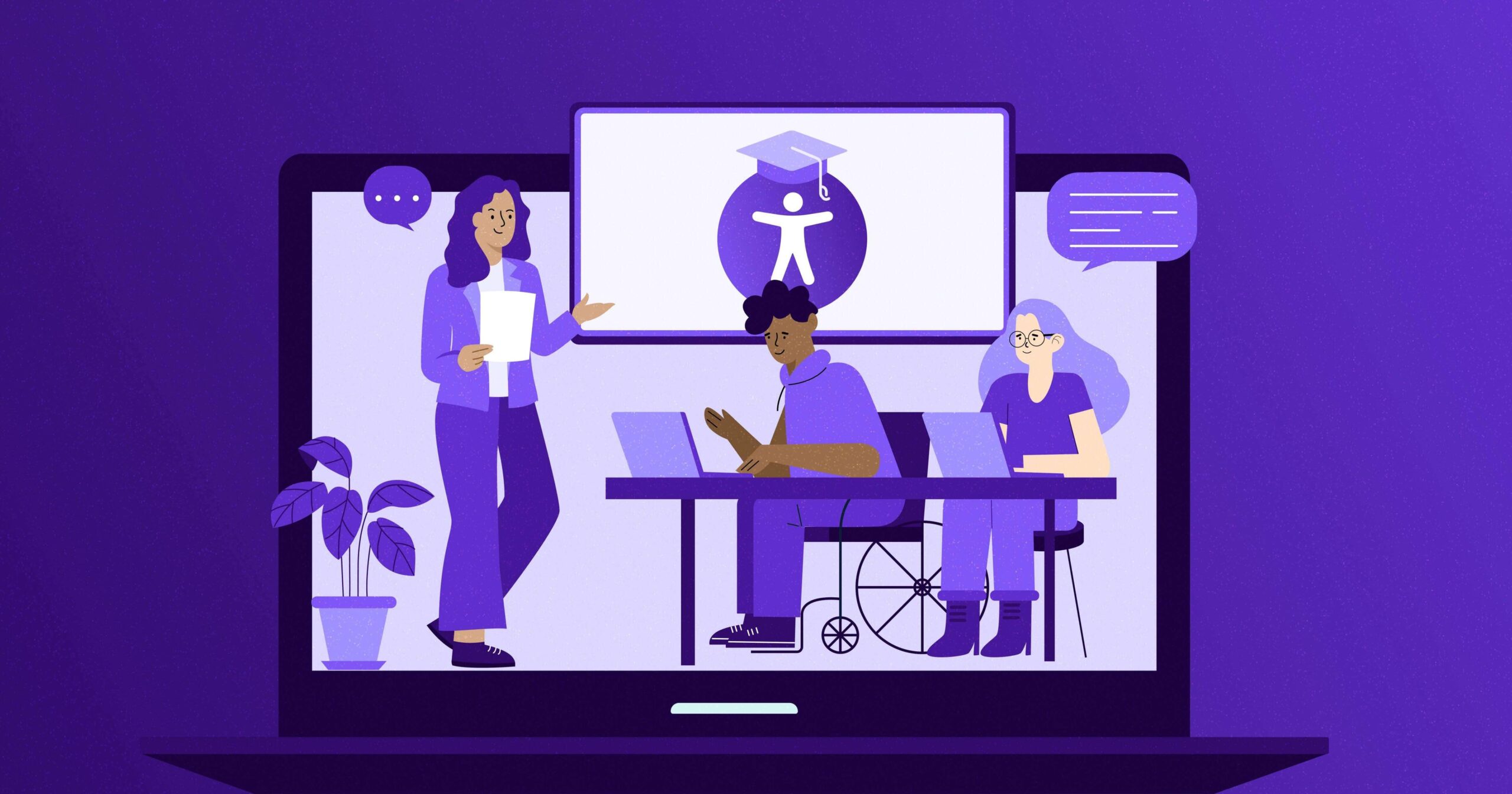
Unlock Success as an Accessibility Specialist: Essential Learning Tools for Inclusive Design
As educational institutions increasingly embrace digital platforms, the demand for professionals skilled in accessibility and inclusive design is soaring. If you’re passionate about ensuring that technology serves all learners, a career as an Accessibility Specialist in universities, colleges, or schools could be your gateway to making a difference. This article will guide you thru essential learning tools, career benefits, must-have skills, and practical tips to help you unlock success in education technology.
What is an Accessibility Specialist?
An Accessibility Specialist is a vital figure within an educational organization’s technology team. Their primary responsibility revolves around making digital resources, learning management systems, multimedia, and dialog channels accessible for all users—including those with disabilities. Through expert knowledge in inclusive design, accessibility standards, and assistive technologies, they ensure that every student, faculty member, and staff can fully engage with digital content. This collaboration positions them as key drivers of student equity and digital inclusion in higher education and K-12 environments.
essential Learning Tools for Inclusive Design
Success as an Accessibility Specialist requires mastery over various tools and frameworks.Here are some essential learning technologies and resources that you need to familiarize yourself with:
1.Accessibility Testing Tools
- WAVE Web Accessibility Evaluation Tool: Analyze web pages and identify accessibility issues quickly.
- axe Accessibility Checker: Automated testing for identifying barriers in digital content.
- Screen Readers (NVDA,JAWS,VoiceOver): Used for hands-on evaluation and understanding user experiences.
2. Learning Management Systems (LMS) with Accessibility Features
- Canvas: Robust support for alt text, captioning, and navigation for screen readers.
- Moodle: Open-source adaptability to integrate accessibility plugins.
- Blackboard: Incorporates universal design practices for diverse learners.
3. Assistive Technology and Software
- Text-to-Speech and Speech Recognition Tools (e.g., Dragon NaturallySpeaking, Read&Write): Enhance content access for students with visual and motor impairments.
- Closed Captioning and Transcription Services (e.g., real-time captioning tools, YouTube’s automatic captions): Critical for deaf and hard-of-hearing users.
- Magnification and High-Contrast Software (e.g., ZoomText): Benefits learners with low vision.
4. Standards and Guidelines
- WCAG (Web Content Accessibility Guidelines): The framework for digital accessibility adopted globally.
- Section 508: Compliance requirements for federally funded institutions.
Why Become an Accessibility Specialist in Education Technology?
Pursuing a role as an Accessibility Specialist offers immense fulfilment and career growth. Here’s why this position is becoming more attractive within universities, colleges, and schools:
- Growing Demand: With more learning moving online, accessibility roles are in high demand across educational institutions.
- Meaningful Impact: You directly contribute to removing barriers, fostering diversity, and promoting educational equity.
- Competitive salary: Tech-oriented roles in education frequently enough come with robust compensation packages and job security.
- Professional Growth: Opportunities exist to specialize further, move into leadership, or consult on accessibility for broader educational projects.
- Legislative Compliance: Increasing federal and state mandates mean schools must prioritize accessibility, making the role indispensable.
Key Skills and Qualifications for Accessibility Specialists
To thrive in this role, focus on developing the following skills and credentials:
- Technical Proficiency: basic knowledge of HTML, CSS, ARIA labels, and semantic web growth. Familiarity with LMSs and assistive technologies.
- Understanding of Accessibility Standards: Deep knowledge of WCAG, Section 508, ADA compliance, and universal design principles.
- Analytical and Problem-Solving Skills: Ability to assess platforms, conduct audits, and identify areas for improvement.
- Empathy and User Advocacy: Commitment to understanding the experiences and needs of diverse learners.
- Collaboration and communication: Ability to work with multidisciplinary teams and effectively communicate recommendations.
- Continuous learning: Staying up-to-date with emerging technologies, standards, and methods in education technology.
- Certifications: Having credentials like Certified Professional in Accessibility Core Competencies (CPACC) or Web Accessibility Specialist (WAS) enhances employability.
Practical Tips for Job Seekers: Landing Your Accessibility Specialist Role
Breaking into the field of accessibility in education technology requires strategic readiness. Here are actionable tips you can use:
- Build a Portfolio: Demonstrate your knowledge by conducting accessibility audits on sample educational platforms and sharing your recommendations and solutions.
- Master Accessibility Tools: Gain hands-on experience with WAVE, axe, and at least one screen reader. Practice applying WCAG guidelines to real-world scenarios.
- Understand Educational needs: Research the specific challenges faced by students and faculty in virtual, hybrid, and physical classrooms.
- Network and Engage: Join professional communities—whether online forums or institutional networks. Attend conferences and workshops on accessibility in education.
- Stay informed on Legislation: Keep abreast of changing compliance standards and laws impacting educational technology accessibility.
- Customize Your Submission: Highlight your experience with accessibility tools, inclusive design projects, and direct impact in previous roles. Tailor your resume and cover letter for each institution and articulate your value in making their learning spaces more inclusive.
- Showcase Soft Skills: Demonstrate empathy, adaptability, and a commitment to lifelong learning in interviews and networking conversations.
Benefits of Accessibility and Inclusive Design in Education
Strong accessibility and inclusive design yield profound advantages not just for learners but for the entire institution:
- Increased Enrollment: Institutions with accessible resources attract a broader spectrum of students, including non-traditional learners.
- Enhanced Academic Performance: Supports diverse learning styles, helping all students achieve their potential.
- Improved Reputation: Schools leading in digital inclusion are viewed as forward-thinking and socially responsible.
- Reduced Risk: Adherence to compliance standards protects schools from legal challenges and negative publicity.
- Faculty Empowerment: Staff benefit from professional development on accessibility, creating a more inclusive culture campus-wide.
How to Keep Learning: Resources for Continued Growth
- Online Courses: Platforms offer specialized training in web accessibility, assistive technologies, and inclusive design.
- Certifications: Pursue credentials relevant to accessibility in education technology to stand out to employers.
- Mentorship: Seek experienced Accessibility Specialists in academic settings for guidance and insights.
- Professional Associations: Join groups focused on digital inclusion, such as educational accessibility forums and societies.
- Institutional Training: Participate in or lead accessibility workshops within your university, college, or school.
Conclusion: Shape the Future with Inclusive Education Technology
Embarking on a career as an Accessibility Specialist in education technology presents you with the unique opportunity to transform educational landscapes at universities, colleges, and schools. By mastering inclusive design principles and essential learning tools, you not only unlock professional success but also make a tangible difference in the lives of students and educators alike. Keep honing your expertise, stay informed about evolving standards, and approach each project with empathy and determination. With the world rapidly adopting digital learning, your role in fostering accessibility and inclusion will be invaluable. Start your journey today and become the catalyst for accessible, equitable education—for everyone.