
Unlock Success: Proven Strategies for Designing Effective Microlearning Modules
Microlearning has rapidly become a cornerstone of modern training programs, enabling businesses and educational institutions to deliver targeted, impactful learning experiences. But creating truly effective microlearning modules isn’t just about chunking content—it’s about using proven instructional design strategies that drive real results.in this extensive guide, you’ll discover the essential techniques and practical steps to unlock the full potential of microlearning for yoru learners and your organization.
Table of Contents
- What is Microlearning?
- Benefits of Effective Microlearning Modules
- Proven Strategies for Designing Effective Microlearning Modules
- Practical Tips for Microlearning Design
- Case Study: Microlearning Success in Action
- conclusion
What is Microlearning?
Microlearning is a learner-centered approach that focuses on delivering content in small,easily digestible units. These modules are typically designed to be completed within 2-10 minutes and can include videos, quizzes, infographics, or scenario-based activities. By breaking down complex subjects into focused, bite-sized lessons, microlearning facilitates just-in-time learning and increases knowledge retention.
Key Features of Microlearning
- Short and Focused: Concise content targeting a single learning objective.
- Flexible Delivery: Accessible on any device (mobile, tablet, desktop).
- engaging Formats: Includes videos, games, interactive quizzes, and infographics.
- On-Demand Access: Learners can access content anytime, anywhere.
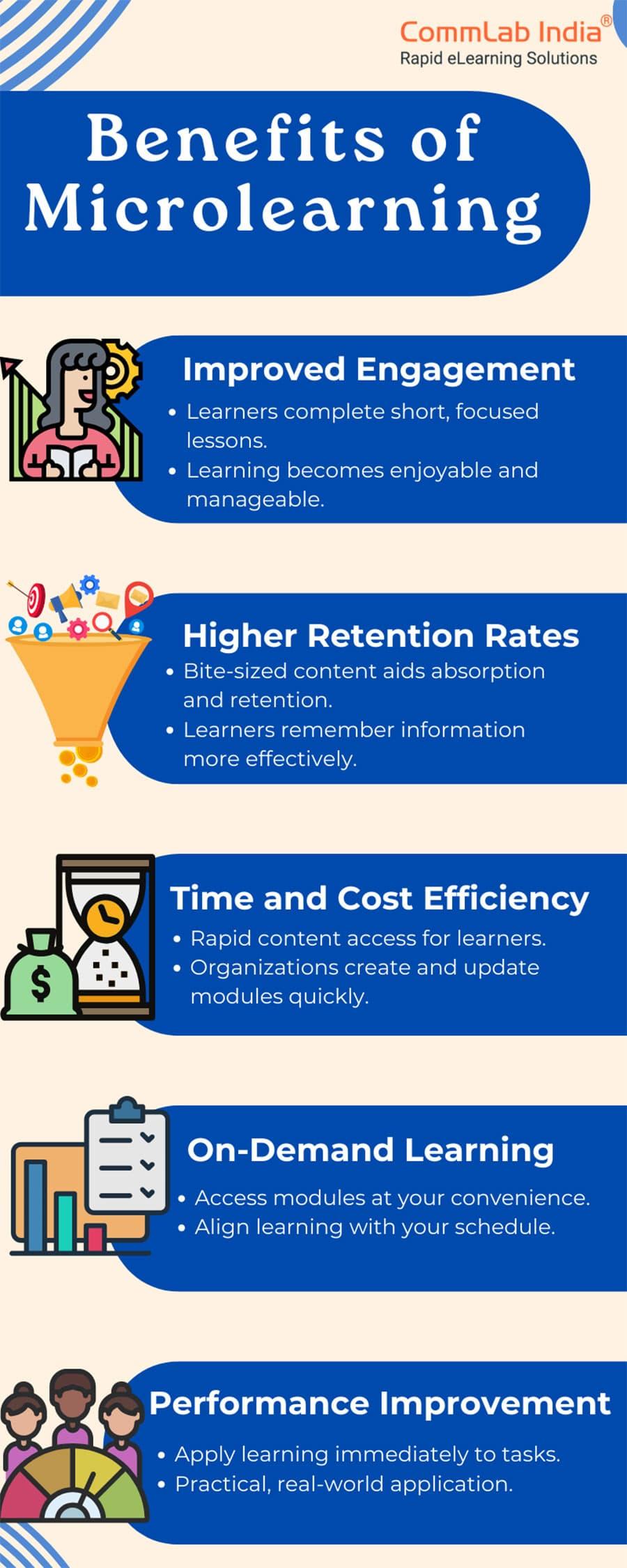
Benefits of Effective Microlearning Modules
Designing effective microlearning modules offers transformative benefits for both learners and organizations. Here’s how quality microlearning drives training success:
- Boosts Learner Engagement: Interactive and varied content keeps users interested.
- Improves Knowledge Retention: Bite-sized lessons enhance memory and recall.
- Adapts to Learner Needs: Modules address different skill levels and job roles.
- Facilitates Just-in-Time Learning: Fast, accessible modules support instant skill acquisition at the point of need.
- Easy to Update and Scale: Individual modules can be quickly revised or expanded to suit organizational growth.
- Reduces Training Costs: Digital microlearning modules lower travel, classroom, and instructor expenses.
Proven Strategies for Designing Effective Microlearning Modules
Unlocking the full potential of microlearning requires intentional design and best practice implementation. Here are proven strategies that ensure your microlearning modules are both effective and engaging:
1. Define Clear Learning Objectives
Start by pinpointing the specific skill, behavior, or knowledge your learners need to gain.Every microlearning module should address one core objective for clarity and focus.
2. Chunk Content Intelligently
- Break information into logical, stand-alone segments.
- Ensure that each chunk answers a single question or solves a specific problem.
3. Integrate Multimedia Elements
Utilize a blend of visuals, audio, and interactive components to appeal to multiple learning styles and increase engagement. Videos, animations, and infographics can make complex topics more accessible.
4. Incorporate Active Learning
- Interactive quizzes and scenarios help reinforce key points and encourage knowledge submission.
- Use decision trees and brief simulations to simulate real-world environments.
5. Design for Mobile Accessibility
More learners access training on the go. Make sure every microlearning module is responsive and optimized for mobile devices to support flexible usage.
6. Keep User Experience (UX) in Mind
- Simplify navigation and use intuitive layouts.
- apply WordPress or custom CSS to enhance readability and engagement (e.g., large fonts, high-contrast buttons).
- Limit required clicks to minimize friction.
7. Reinforce Learning with Spaced Repetition
Schedule microlearning modules in intervals to help learners retain information over time. Use reminders, quizzes, and recap modules as part of your learning strategy.
8.Provide Feedback and Opportunities for Reflection
- Offer instant feedback in quizzes and exercises.
- Encourage learners to self-reflect and apply knowledge immediately after each module.
9. Encourage Social Learning
Facilitate discussions through forums, comments, or social media integration where learners can share experiences, ask questions, and collaborate on solutions.
Practical Tips for Success in Microlearning Module Design
Following the strategic guidelines, let’s dive into actionable tips you can apply right away:
- Limit Each Module to a Single topic: Minimize scope creep for laser-focused learning.
- Use Real-Life Scenarios: Relate lessons to authentic workplace challenges for higher relevance.
- Leverage Micro-Assessments: Short quizzes help gauge learner progress and reinforce knowledge.
- Apply Visual Hierarchy: Use headings, bullet points, and icons to break text and highlight key messages.
- Maintain Consistent Branding: Use your organization’s colors, logos, and WordPress CSS for module cohesiveness.
- Test and Gather Feedback: Conduct pilot runs and adjust modules based on learner input and analytical data.
- Optimize for SEO: Write keyword-rich titles, alt-tags for images, and meta descriptions to boost discoverability, especially if self-hosting modules in a wordpress LMS.
Case Study: Microlearning Success in Action
Let’s look at a hypothetical – but realistic – example that demonstrates the power of effective microlearning design.
Background
A midsize retail company needed to train its frontline staff on new point-of-sale (POS) software, but store schedules made traditional e-learning impractical.
Microlearning Solution
- Created 5-minute modules covering each POS task with step-by-step videos and interactive button practice.
- Used micro-assessments at the end of each module to reinforce correct workflows.
- integrated responsive design through the company’s LMS for easy mobile access during shifts.
- Incorporated badges and leaderboards for completion and high quiz scores to boost motivation.
Results
- 80% reduction in support tickets related to POS errors.
- 90%+ completion rates for all modules within one week of rollout.
- Positive feedback on module clarity, format, and workplace applicability.
this case illustrates how well-designed microlearning modules can deliver rapid, measurable improvements in both learning outcomes and operational efficiency.
Conclusion: Unlock the Power of Effective Microlearning
designing effective microlearning modules isn’t just about making content shorter—it’s about making learning smarter, more engaging, and tailored to the needs of modern learners. By following proven microlearning strategies such as clear objectives, multimedia integration, mobile optimization, and active learning, you can transform your organization’s training and boost learner performance.
Whether you’re new to microlearning or looking to refine your approach, implementing these strategies and tips will set you on the path to measurable training success. Remember to keep your learners at the centre of your microlearning design, leverage technology for engagement, and never stop iterating based on feedback and learning analytics.
Ready to unlock the potential of microlearning in your organization? Start today by applying these strategies and watch your training outcomes soar!