
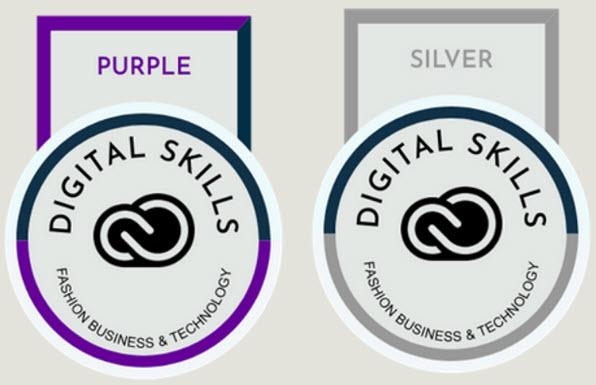
Unlock Success with Digital Badges: Recognising Skills and Achievements in the Modern Workplace
In today’s fast-evolving workplace, traditional methods of recognising achievements and skills are rapidly being replaced by innovative digital solutions. One such conversion is the rise of digital badges—a powerful tool for validating and showcasing professional accomplishments. Learn how digital badges can unlock career success, motivate employees, and bring measurable benefits to your organisation.
What Are Digital Badges?
Digital badges are secure, visual representations of a wide range of achievements, competencies, or skills earned in various professional and educational contexts. Unlike traditional certificates, digital badges come embedded with metadata that verifies what was achieved, who issued it, and the criteria for earning it. These badges can be shared across professional networks, resumes, email signatures, and social media profiles, showcasing achievements in a highly portable and credible way.
Key Characteristics of Digital Badges
- Authenticity: Embedded metadata provides proof of achievement and issuing authority.
- Portability: Easily shareable across different platforms and digital portfolios.
- Specificity: Clearly communicates the skill or accomplishment being recognised.
- Visibility: Enhances personal branding and promotes lifelong learning.
Why Digital Badges Matter in the Modern workplace
as organisations embrace digital transformation, the ability to recognize and showcase skills quickly becomes essential. Digital badges offer a new level of clarity and motivation for both employees and employers. Here’s why integrating digital badges is vital:
Enhancing employee Motivation and Engagement
- Employees are motivated by instant, visible recognition of their achievements.
- Gamification elements, such as earning and collecting badges, drive participation in learning and development programs.
- Earned badges can add a sense of pride and accomplishment to an employee’s journey.
Improving Skills Tracking and Organisational Agility
- Organisations gain an accurate, real-time overview of workforce capabilities.
- Digital badges help managers tailor project allocations and upskilling plans with precision.
- Strategic insights from badge data empower HR teams to address skills gaps proactively.
Boosting Professional Credibility
- Professionals can showcase validated skills to potential employers and clients.
- Badges align with international standards, increasing acceptance and trust.
- Sharing badges on LinkedIn, personal websites, and portfolios amplifies professional visibility.
Benefits of implementing Digital Badges
Organisations and professionals alike experiance a wide range of advantages when implementing or earning digital badges:
- Verifiable Proof: Easily confirm the authenticity of skills and achievements.
- Increased Employee Retention: Recognition fosters loyalty and lowers turnover rates.
- Customisable Learning Pathways: Employees can pursue badge-driven learning aligned with their interests and career goals.
- Organisational Branding: custom badges establish your company as a leader in innovation and learning.
- Cost-Effective: Digital badges are scalable and reduce administrative overhead compared to traditional qualifications.
- greater Equity: Accessible to all employees, digital badges democratise recognition and reward hidden talents.
How to Implement Digital Badges in the Workplace
Integrating digital badges within your organisation doesn’t have to be complex. follow these actionable steps to get started:
Step 1: Identify key Skills and achievements
- Define skills, learning modules, and professional milestones that warrant recognition.
- Align badge criteria with organisational goals and competency frameworks.
Step 2: Choose a Badge Platform
- Popular badge platforms include Credly, Open Badge Factory, and Badgr.
- Seek platforms offering secure metadata, customisation options, and integration with existing HR and Learning Management Systems (LMS).
Step 3: Design and Issue Badges
- Create visually appealing badges that are instantly recognisable.
- Clearly state the criteria and issuing authority for each badge.
- Deploy badges through your HR, LMS, or directly via trusted platforms.
Step 4: Promote and Integrate Badges
- Encourage employees to share badges across internal and external networks.
- Integrate badges into performance reviews, career progression discussions, and talent mapping.
- Offer incentives,including exclusive access or rewards for top badge earners.
Case Studies: Digital Badges Powering Real-World Success
IBM: Accelerating Learning and Career Mobility
IBM introduced a robust digital badge program to validate new tech skills across its global workforce. Employees use their badges to demonstrate proficiency in AI, cloud computing, and cybersecurity. This has resulted in:
- 40% increase in course enrolments
- Improved retention and mobility across IBM’s internal talent pool
- A more dynamic ecosystem of peer-to-peer learning and knowlege sharing
Deloitte: Building a Culture of Continual Learning
Deloitte uses digital badges to drive continuous learning and foster a culture of recognition. Employees showcase badges on LinkedIn profiles,instantly validating their expertise to clients and industry peers. Resulting benefits include accelerated client trust and streamlined recruitment.
First-Hand Experience: A Professional’s Viewpoint
“Earning a digital badge for my project management skills not only improved my confidence but also made me stand out during interviews. It was easy to share my badge with recruiters, and many commented on its credibility and the detailed evidence it provided.” – Sarah L., Project Manager
Practical Tips for Maximising the Impact of Digital Badges
- Set Clear Criteria: Ensure badges are awarded for demonstrable achievements, not just participation.
- Communicate Value: Educate employees about how badges can impact career growth.
- Integrate with Existing Tools: Link badge systems with HR platforms and learning management software for seamless adoption.
- Encourage Sharing: Recognise employees who actively share their badges online and offline.
- Regularly review and Update: Keep badge criteria and offerings current with industry trends and organisational needs.
- Gather Feedback: Solicit user input to ensure badge programs remain engaging and meaningful.
The Future of Skills Recognition: Digital Badges and Beyond
As remote work and digital collaboration become standard, the demand for digital credentials will only rise. Digital badges are evolving into micro-credentials, stackable certificates, and AI-driven verification tools—all designed to enhance how individuals and organisations recognise skills, promote lifelong learning, and stay competitive in a global market.
Conclusion: Start Unlocking Success with Digital Badges Today
Digital badges bring transparency, motivation, and credibility to skills recognition in the modern workplace. Whether you’re an organisation seeking better employee engagement or a professional eager to stand out, integrating digital badges opens up new avenues for celebrating achievements and driving growth. Embrace this transformative trend to empower your workforce, attract top talent, and foster continuous development.
Ready to unlock the full potential of digital badges? Explore leading badge platforms, design an effective recognition program, and start showcasing real skills and achievements today!