
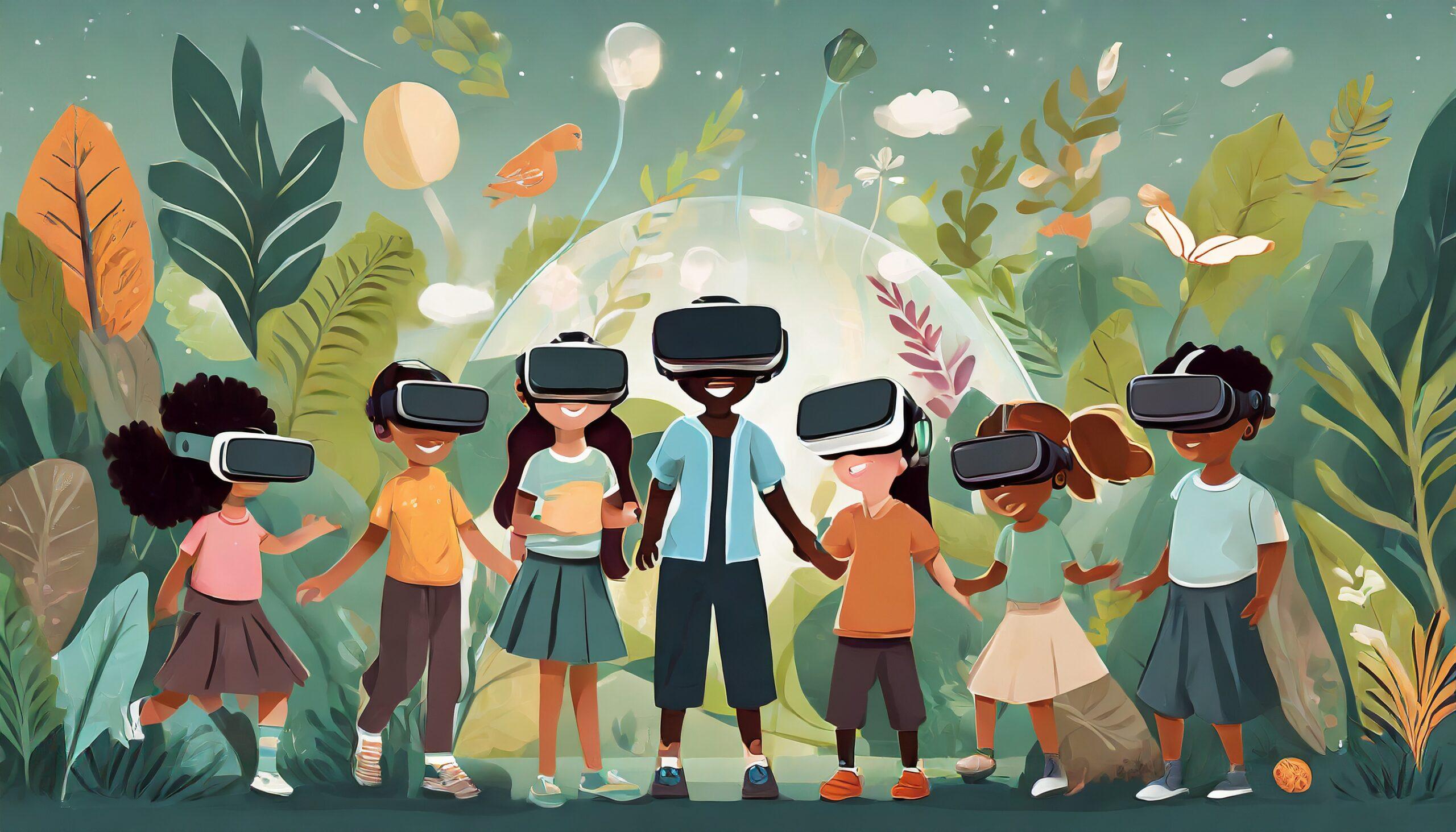
Unlock the World: How virtual Field Trips Expand Classroom Learning Beyond Borders
In today’s interconnected world, the classic classroom is evolving at a rapid pace. Teachers and students are no longer limited by walls or budgets; rather, they’re discovering immersive ways to explore museums, ancient sites, national parks, and even distant galaxies. one of the most exciting innovations in education is the rise of virtual field trips. These interactive experiences unlock limitless learning opportunities, fostering global awareness and engagement. But how exactly do virtual field trips expand classroom learning beyond borders? Let’s dive in.
What Are Virtual Field Trips?
Virtual field trips are guided, online explorations of real-world locations, ofen enhanced with interactive tools, videos, live streams, or augmented and virtual reality (AR/VR).They enable students to visit venues and engage with experts without ever leaving their classroom or home.
Key Features of Virtual Field Trips:
- Real-time or pre-recorded tours led by guides or subject experts
- Interactive elements, such as Q&A sessions, quizzes, and games
- High-definition visuals and panoramic experiences
- Augmented reality overlays for deeper engagement
- Resources tied to curriculum standards
Benefits of Virtual Field Trips: breaking Down Barriers
Embracing virtual field trips in the classroom doesn’t simply substitute for in-person excursions — it transforms teaching and learning in meaningful ways. Here are the standout benefits:
1. Global accessibility
- No geographic limitations: Students visit landmarks across continents, from the Great Wall of China to NASA’s Mission Control.
- Inclusivity: learners with mobility challenges, rural schools, or budget constraints can participate equally.
- Multilingual options: Many platforms offer translations or multilingual guides.
2. Enhanced Engagement and Retention
- Interactive and visually-rich experiences increase student motivation and attention.
- Quizzes, polls, and live chats foster active participation.
- Real-world context deepens understanding and retention of key concepts.
3. Curriculum Enrichment
- Teachers align virtual trips to their curriculum for deeper learning outcomes.
- Access primary sources and expert perspectives from across the world.
- Applications in STEM,history,geography,cultural studies,art,and more.
4. Fostering Empathy and cultural Awareness
- Students interact with people from diverse backgrounds and cultures.
- First-hand digital journeys to places like refugee camps, ancient sites, or wildlife habitats build emotional understanding.
How Virtual Field Trips Expand Classroom Learning Beyond Borders
The core advantage of virtual field trips is their ability to take students on real-life, global adventures without logistical challenges. Here’s how they truly transcend physical and cultural boundaries:
1. Bringing the World to the Classroom
- Students can witness historical events re-enacted at heritage sites or see endangered species in real-time webcams.
- Museums like The Louvre or Smithsonian, research stations in the Amazon, and outer space are just a click away.
2. Bridging Curriculum Gaps
- Address “out-of-reach” topics, like polar climates or underwater ecosystems, with dynamic visualizations and expert interviews.
- Integrate cutting-edge discoveries and diverse perspectives into lesson plans.
3. Encouraging Cross-Cultural exchange
- Virtual exchanges with international classrooms foster language learning and global citizenship.
- Collaborative projects encourage teamwork and appreciation for other viewpoints.
Case Studies: Real-World impact of Virtual Field Trips
to illustrate the transformative power of virtual field trips in education, here are a few remarkable case studies:
NASA Virtual Tours
- Thousands of students virtually visit NASA’s Johnson Space Center annually.
- interactive experiences allow learners to ask questions to scientists, view mission control rooms, and watch behind-the-scenes videos.
- Results: Increased interest in STEM fields and improved science literacy.
Virtual Museum Visits during the Pandemic
- When physical trips stopped, schools worldwide partnered with international museums for digital tours.
- Students in rural India experienced the British Museum’s Egyptian collection, while US classrooms toured the Van Gogh Museum in Amsterdam.
- Results: Maintained arts education continuity and broadened global horizons.
live Wildlife Safaris
- Organizations like WildEarth stream live safaris from African reserves.
- Teachers incorporate these safaris into biology units, fostering awareness of conservation and biodiversity.
- Results: Cultivated environmental stewardship and sparked career interests in conservation science.
first-Hand Teacher Testimonial
“Our virtual field trip to the international Space Station was a game-changer. My students participated in live Q&A with astronauts, watched experiments in microgravity, and later wrote essays connecting what they’d learned. Not onyl were they inspired, but I discovered new ways to bring science standards to life. I’d recommend virtual field trips to any educator looking to break free from traditional teaching.”
— Ms. Laura Kim, 7th Grade Science Teacher, Chicago
How to Implement Virtual Field Trips: Practical Tips for Teachers
Getting started with virtual field trips is easier than ever. Here are some essential tips to help teachers implement virtual field trips successfully:
1.Choose the right Platform
- Research reputable providers such as Google Arts & Culture, Discovery Education, The Smithsonian, and National Geographic.
- Look for age-appropriate, standards-aligned resources.
- Test the platform in advance to address any technical concerns.
2. Align Virtual Trips with Curriculum Goals
- Identify clear learning objectives.
- Pre-teach relevant vocabulary and background information.
- Debrief after the experience with discussions, reflections, or creative projects.
3. Encourage Student Participation
- Assign roles like question-asker,note-taker,or group reporter.
- Allow students to submit questions for guides or experts.
- Incorporate interactive elements like polls, quizzes, or Kahoot games.
4. Ensure accessibility for All Learners
- Provide captions, transcripts, or translated materials where needed.
- Offer option assignments for students with limited internet access.
5. Foster Global Connections
- Partner with international classrooms for joint activities.
- Use tools like Zoom,Flipgrid,or Padlet for cross-border collaboration.
Top 10 Virtual Field Trip Ideas for Your Classroom
- Explore Machu Picchu with Google Earth VR
- Visit the Great Barrier Reef with David Attenborough’s interactive platform
- Observe live volcanoes in Hawaii via Smithsonian webcams
- Attend a broadway show online for drama students
- Tour the Anne Frank House in Amsterdam virtually
- Participate in a united Nations simulated debate
- learn coding with a virtual visit to Silicon Valley companies
- Discover ancient Rome with an interactive AR/VR app
- Join a live Q&A with wildlife conservationists in Africa
- Experience the night sky with an online planetarium program
Conclusion: Expanding Horizons, Empowering Learners
Virtual field trips have forever altered the educational landscape, enabling teachers and students to unlock the world without ever leaving their classrooms. As technology advances and global challenges connect us ever closer, embracing these digital journeys is not just a modern trend—it’s an essential step toward creating informed, empathetic, and globally-minded citizens.By integrating virtual field trips into lesson plans, educators can expand learning beyond borders and inspire the next generation of curious explorers.