
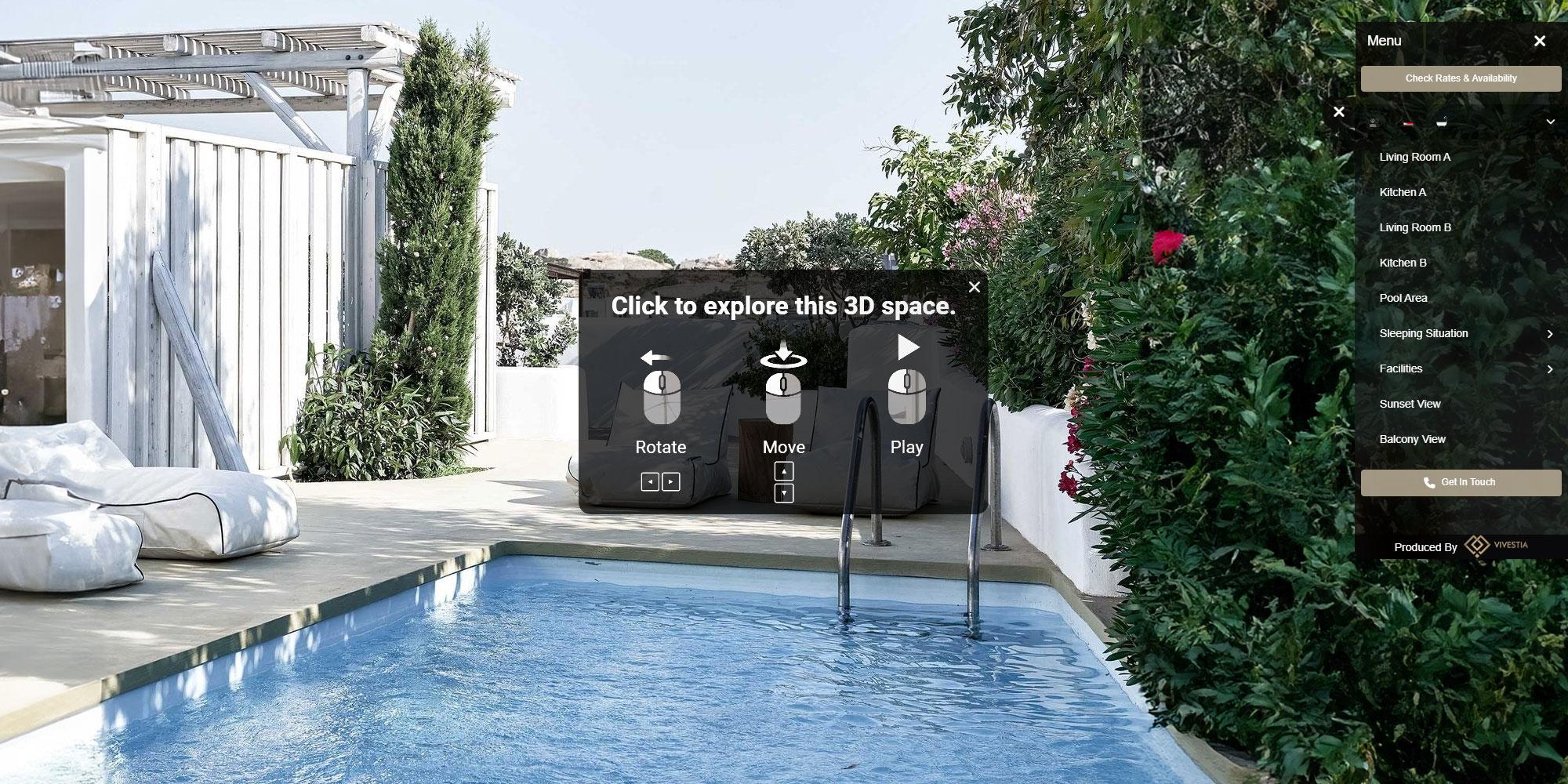
Unlock the World: How Virtual Field Trips Expand Student Horizons Without Leaving the Classroom
Imagine gazing up at the swirling auroras in the Arctic, wandering beneath ancient pyramids in Egypt, or peering into the depths of the Amazon Rainforest—all without ever leaving your classroom. Thanks to the rapid advancement of technology, virtual field trips are transforming how students explore the world, making immersive learning experiences accessible to everyone, nonetheless of location or circumstance.
Introduction: The New World of Educational Travel
Traditional field trips have been a cornerstone of hands-on education for decades, but logistical challenges and tight budgets frequently enough limit their scope.Enter virtual field trips: online experiences that transport students to museums, ancient landmarks, space stations, and more through the click of a button. This exciting innovation isn’t just a substitute for physical travel—it’s a gateway to endless global exploration.
What Are Virtual Field Trips?
Virtual field trips are digital experiences—orchestrated through live video streams, 360-degree videos, interactive simulations, or virtual reality (VR)—that allow educators to take students on guided tours across the globe. Whether exploring the louvre in Paris, NASA’s mission control, or coral reefs, students can embark on unforgettable learning journeys in real time or on-demand.
- Interactive museum tours
- Science explorations with remote experts
- Historical site walk-throughs
- Virtual nature studies in ecosystems worldwide
- Behind-the-scenes access to unique professions
Benefits of Virtual Field Trips: Bringing the World to Students
The adoption of virtual field trips in classrooms delivers a multitude of synergistic benefits for both students and educators.Here’s why forward-thinking schools are integrating these immersive learning experiences:
1. Accessibility for All
- Cost-effective: No transportation, lodging, or tickets required.
- Inclusive: Provides equal experiences for students with disabilities or financial constraints.
- Flexible: Accessible in urban, rural, and remote classrooms alike.
2. Enhanced Engagement & Motivation
- Immersive visuals and interactivity capture attention and spark curiosity.
- Live Q&A with experts fosters meaningful connections to content.
3.aligns with Curriculum Objectives
- Virtual excursions can complement topics in science,geography,history,art,and more.
- Supports STEM, language learning, and cultural diversity awareness.
4. Expands Horizons and Global Perspectives
- Exposes students to new cultures,ideas,and environments.
- Encourages empathy, global citizenship, and respect for diversity.
How to Make the Most of Virtual Field Trips: Practical Tips
To fully harness the power of virtual field trips, teachers should approach them with planning and creativity.Here are some best practices for a seamless, impactful virtual learning adventure:
- Pre-Trip Planning
- Set clear learning goals aligned with curriculum standards.
- Familiarize yourself with the virtual platform or app before the trip.
- Share an itinerary or preview video with students to build anticipation.
- Maximize Interactivity
- Encourage students to take notes, sketch observations, or ask questions in real-time.
- Utilize features such as polls, breakout rooms, or chat to keep students engaged.
- Post-Trip Reflection & Projects
- Facilitate a class discussion or reflection activity to consolidate learning.
- Assign creative projects (e.g., poster, presentation, blog post) based on the experience.
Popular Virtual Field Trip Platforms and resources
There’s an expanding array of virtual field trip resources for teachers, many of which are free or low-cost for schools:
- Google Arts & Culture: 3D museum tours, historical sites, and art exhibits worldwide.
- Finding Education: Guided real-world digital adventures in science, technology, and history.
- National Geographic Explorer Classroom: Live talks with explorers and scientists in the field.
- Mystery science: Interactive investigations tailored for elementary grades.
- Smithsonian Virtual Tours: Access world-class collections and educational materials.
- Skype a Scientist: Match classrooms with scientists for engaging conversations.
Case Studies: Real-World Impact in Classrooms
Let’s take a look at how virtual field trips are already making waves in different educational settings.
Case Study 1: Exploring Space with NASA
In a middle school in Texas, students participated in a live virtual tour of NASA’s Johnson space Center. They interacted with mission control engineers and learned about the Mars Rover project. Engagement soared, with many students expressing newfound interest in STEM careers.
Case Study 2: Art and Empathy in Rural Wisconsin
an elementary art class used Google Arts & Culture to explore the Van Gogh Museum. Students compared their own community’s surroundings with Van Gogh’s landscapes, building empathy and cultural gratitude through creative expression projects.
Case Study 3: global Citizenship in Urban Classrooms
A high school social studies teacher in Chicago leveraged Skype a Scientist to connect students with a marine biologist working in Australia’s Great Barrier reef. The live Q&A session opened eyes to environmental challenges and inspired students to launch a local conservation campaign.
First-Hand Experience: Teacher and Student Perspectives
“our class visited the Great Wall of China virtually and the students were absolutely mesmerized. They asked thoughtful questions and made connections to our world history lessons. For many,it was the first time ‘traveling’ abroad. The joy was on their faces.”
— Ms. Carter, 5th Grade Teacher
Students echo these sentiments, frequently enough noting that virtual experiences help them remember content better and feel more connected to the material. One eighth grader shared, “It made learning so real—I want to see more places now!”
Challenges and Considerations
while the advantages are significant, it’s vital to recognize and address potential challenges with virtual field trips:
- technical hurdles: Reliable internet and devices are essential for a seamless experience.
- Student safety and privacy: use vetted platforms and follow school policies for online interactions.
- Screen fatigue: Balance virtual excursions with hands-on and offline activities.
Proactive planning and support from IT staff can help ensure smooth and safe virtual journeys.
Conclusion: The Future of Field-Based Learning
Virtual field trips are more than just a workaround for logistical obstacles—they’re a revolutionary tool for making the wonders of our world accessible to every student. By breaking down barriers of cost, distance, and physical limitation, teachers can expand student horizons and nurture lifelong curiosity, global awareness, and digital fluency.
As educational technology continues to evolve, embracing these innovative approaches will prepare students not just for exams, but for a future where learning truly has no borders. It’s time to unlock the world—one virtual adventure at a time.