
Unlock the World with Virtual Field Trips: Expanding Horizons Without Leaving the Classroom
In today’s interconnected world, the boundaries of the customary classroom are rapidly dissolving. The evolution of educational technology has unlocked remarkable possibilities, enabling teachers and students to experience diverse cultures, historic landmarks, and natural wonders — all from the comfort of thier classrooms. Virtual field trips have transformed learning by giving students the opportunity to explore the globe without ever boarding a bus or leaving their desks. In this guide, we’ll delve into how virtual field trips are expanding horizons, the benefits they offer, and practical tips for educators looking to unleash this powerful tool in their teaching toolkit.
What are Virtual Field Trips?
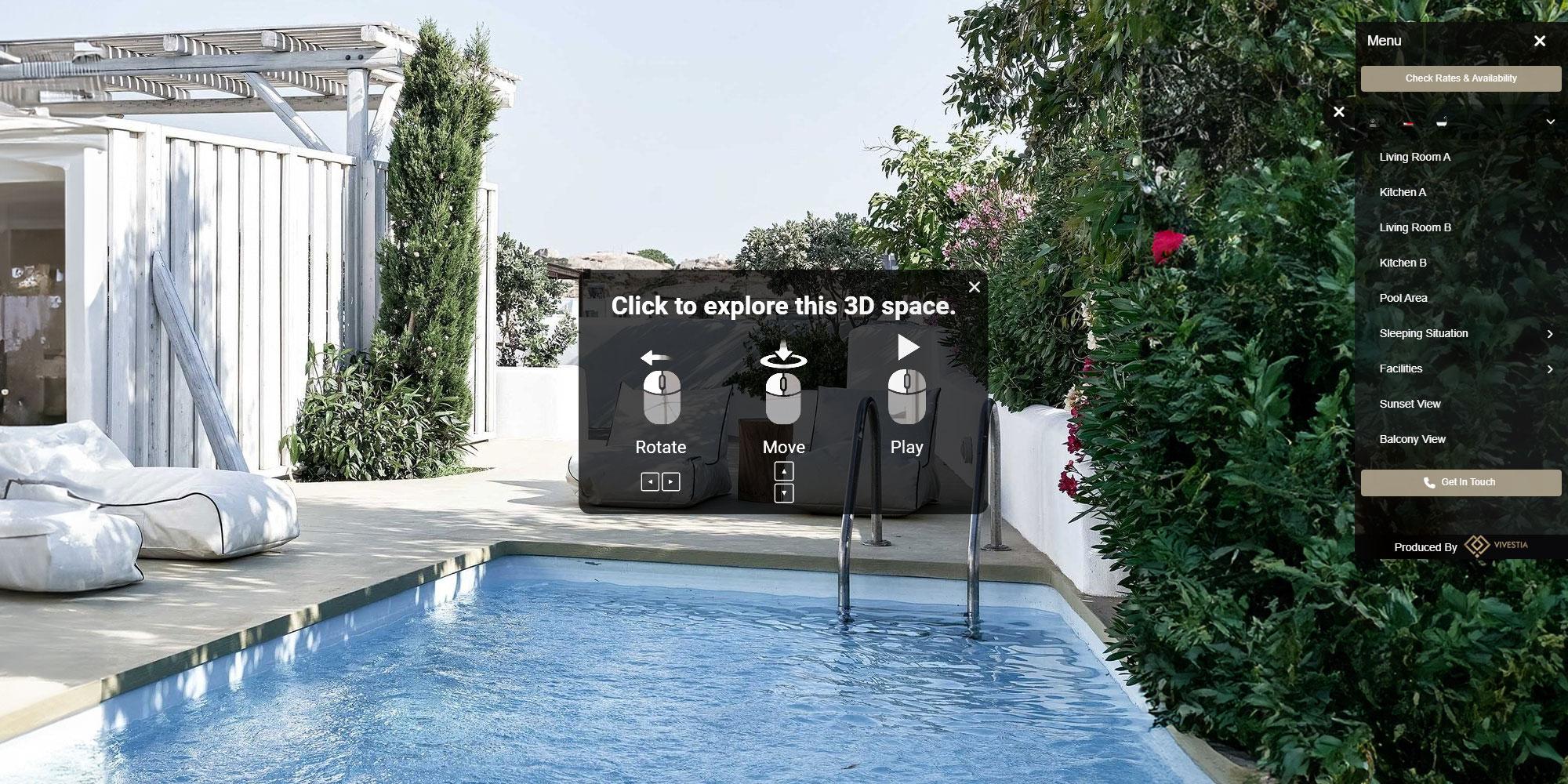
A virtual field trip utilizes digital technology—like 360-degree videos, interactive maps, and live video streaming—to take students on immersive educational journeys.These online experiences can transport learners to famous museums, world heritage sites, science laboratories, national parks, and even far-flung places like the Amazon Rainforest or outer space. Virtual field trips for classrooms are increasingly accessible, engaging, and diverse, making them a valuable resource for educators looking to enhance their lessons.
- Access to real-time or pre-recorded tours led by experts
- Interactive quizzes and activities integrated with the tour
- Supplemental resources such as workbooks and discussion questions
Key benefits of Virtual Field Trips
Integrating virtual field trips into classroom learning offers a range of educational, social, and practical advantages for both students and educators:
1. Expanding Access and Inclusivity
- No geographic boundaries: Students can explore destinations worldwide, breaking down the barriers of distance and cost.
- Inclusivity: Students with mobility challenges or other special needs can participate fully, ensuring equitable access for all.
2. Enhancing engagement and Retention
- Immersive learning: Interactive elements and multimedia foster deeper engagement and make content memorable.
- Personalized pace: Pre-recorded tours let students progress at their own speed, encouraging self-directed learning.
3. Budget-Amiable Solutions
- No transportation costs: schools save on buses, tickets, and chaperones.
- Accessible for all budgets: Many virtual field trips are free or require minimal fees.
4. Real-World Connections
- Expert interactions: Live Q&A sessions with scientists, artists, and historians create authentic learning moments.
- Aligned with curriculum: Teachers can select trips that fit learning goals and standards.
5. Sustainable Learning
- Eco-friendly: Eliminates the carbon footprint of travel, teaching environmental stewardship in action.
Popular Virtual Field Trip Destinations
Today’s digital landscape offers countless virtual field trip ideas for K-12 and higher education classrooms. Here are some of the most popular:
- Smithsonian National Museum of Natural History: Enjoy 360-degree gallery tours and virtual exhibits.
- NASA’s Virtual Tours: explore the Kennedy Space Center and the International Space Station.
- Google Arts & Culture: Visit global landmarks and art museums with immersive Street View.
- monterey Bay Aquarium: Watch live cams or take deep dives into marine biology with interactive sessions.
- Virtual tours of ancient sites: Journey through the Great Wall of China, Machu Picchu, or egypt’s Pyramids.
Many institutions also offer live virtual field trips with guides,hands-on activities,and opportunities for students to ask questions in real time.
Making the Most of Virtual Field Trips: Practical Tips for Teachers
To maximize the impact of virtual learning experiences, educators should consider these best practices:
- Set clear learning objectives: Choose trips that align with your curriculum and desired outcomes.
- Prepare students in advance: Provide background information and share specific questions they should look to answer during the trip.
- Foster engagement: Encourage students to take notes, ask questions, and participate in discussion during and after the experience.
- Integrate supporting activities: Pair the trip with related readings, projects, or research assignments to deepen understanding.
- Debrief and reflect: host a post-trip discussion or have students create digital presentations to synthesize what they learned.
Many virtual field trip providers include educator guides,worksheets,and assessment tools to help facilitate these steps.
case Studies: Virtual Field Trips in Action
Bringing the Rainforest to Life in a Fifth-Grade Class
At a public elementary school in Texas, a fifth-grade teacher integrated a virtual visit to the Amazon Rainforest using a combination of interactive 3D maps and a live video session with a conservation biologist. Students explored diverse flora and fauna, participated in a quiz, and engaged in a virtual “nature walk.” The experience earned top marks for engagement and helped students excel on their ecosystem unit.
Global Citizenship Through Art
A high school art history class used Google Arts & Culture to explore the Louvre and the Uffizi Gallery. Each student chose a masterpiece to research, then gave a virtual tour-style presentation to their classmates. This not only fostered a love of the arts but also honed public speaking and research skills.
STEM Learning with NASA
Middle school students connected virtually with NASA engineers, watching rocket launches and participating in live Q&A sessions. surveys indicated a 40% increase in student interest in STEM careers post-trip.
Firsthand Experience: A Teacher’s Perspective
“I was amazed at how much my students retained after our virtual journey to Ellis Island.They connected deeply with immigrant stories and even interviewed relatives about our own family histories. Virtual field trips have truly made learning more vivid and meaningful.”
– Ms. Johnson, 4th Grade Teacher, New York City
How to Get Started with Virtual Field Trips
Ready to bring a virtual field trip to your classroom? Here’s a simple step-by-step plan:
- Research available options: Start with reputable organizations and museums. Many maintain regular calendars of live events.
- Check technical requirements: Ensure you have the necessary devices,internet speed,and access permissions.
- Register your class: For live sessions, book in advance as spots can fill quickly.
- Prepare resources: Download any teacher guides or student activity sheets ahead of time.
- Set expectations: Discuss online etiquette, participation, and goals with your students before beginning.
With minimal setup and a spirit of adventure, virtual field trips can be integrated into lessons year-round — boosting engagement, curiosity, and real-world connections.
Conclusion: Expand Minds, Inspire Futures
Virtual field trips are more than a response to logistical challenges; they are a doorway to enriching educational experiences that spark curiosity, foster empathy, and broaden students’ perspectives. By leveraging technology to explore the world, teachers can empower their learners to connect with global communities, historic events, and groundbreaking discoveries—all from the comfort and safety of the classroom.
Whether you’re teaching science, history, art, or literacy, virtual field trips in the classroom offer a practical, affordable, and unforgettable way to make learning come alive. The world is vast — why not unlock it for your students today?