
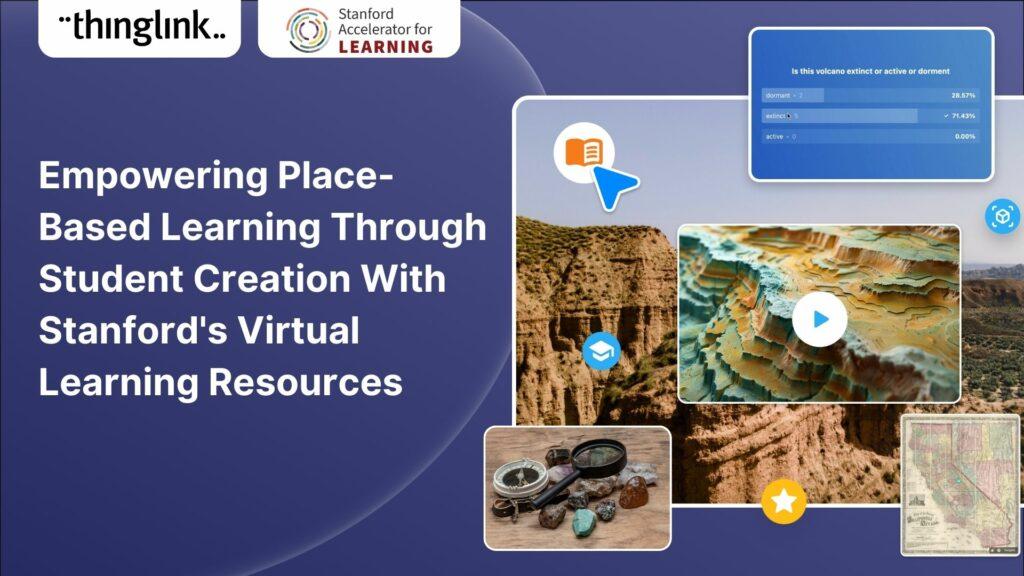
Unlock the World with Virtual Field Trips: Expanding Student Horizons Without Leaving the Classroom
Introduction
Imagine your students gazing up at the mona Lisa in the Louvre, tracking elephant herds across the African savanna, or witnessing the wonders of the Great Barrier Reef. Today, such adventures are possible from any classroom thanks to the power of virtual field trips. These immersive,online experiences are revolutionizing education—expanding student horizons and turning the world into an accessible,interactive learning environment,all without stepping outside the school doors.
In this article, we’ll explore the world of virtual field trips in education—covering their numerous benefits, practical tips for successful implementation, inspiring case studies, and key resources to help you get started. Whether you’re a teacher, school administrator, or parent, get ready to discover how you can unlock the world for your students!
What are Virtual Field Trips?
Virtual field trips (VFTs) are interactive experiences that use technology to “transport” students to distant locations, museums, cultural sites, natural wonders, and more.Leveraging videos, live webcasts, VR (virtual reality), AR (augmented reality), and rich multimedia, these digital excursions bring learning to life while eliminating travel barriers such as cost, geography, or safety concerns.
- Live-streamed tours: Real-time guided visits to museums, zoos, or historical landmarks.
- Pre-recorded explorations: Professionally created videos and interactive websites with self-paced learning.
- Virtual reality adventures: 360-degree immersive experiences using VR headsets or tablets.
- interactive webinars and Q&A sessions: Opportunities for students to directly interact with experts and tour guides.
Whether exploring ancient ruins or studying ecosystems, virtual field trips make global learning accessible, engaging, and relevant for all students.
The Benefits of Virtual Field Trips for Students
The popularity of virtual field trips in education is skyrocketing—and with good reason! Here’s how these digital adventures are transforming teaching and learning:
- Expanding Horizons: Students explore cultures, landmarks, and environments far beyond their local community, developing global awareness and empathy.
- Cost-Effective Learning: Eliminating travel, lodging, and entry fees, VFTs provide equitable access for all schools and students.
- Real-World Connections: Virtual field trips bring textbook lessons to life, linking classroom concepts to real-world applications and expert insights.
- Safe and Flexible: Virtual trips bypass logistical concerns—no permission slips or safety worries—and can be experienced in the classroom or at home.
- engagement and Motivation: Interactive elements, live guides, and multimedia resources spark curiosity, boost participation, and deepen retention.
- Personalized Learning: vfts can be tailored to different age groups, interests, and curricula, supporting differentiated instruction.
“With virtual field trips, our students have been able to explore NASA’s Mission Control Center and talk to scientists—an experience none of us could have imagined before.” — Ms. Garcia, 5th Grade Teacher
How to Plan Successful Virtual Field Trips: Practical Tips
To maximize the impact of your virtual field trips, consider the following best practices:
- Align with Your curriculum: Choose VFTs that reinforce or expand upon classroom topics. Check for available lesson plans, worksheets, or teacher guides.
- Test Technology in Advance: Ensure all students have access to necessary devices, check internet reliability, and test software/plugins before the trip.
- set Clear Learning Objectives: Define what you wont students to learn or accomplish during the experience. Share guiding questions or prompts beforehand.
- Engage Students Actively: Encourage students to take notes, ask questions, or participate in post-trip discussions and projects.
- Follow Up with Reflection & Activities: Assign follow-up activities such as creative writing, digital storytelling, posters, or class presentations.
by thoughtfully integrating virtual field trips into your lesson plans, you’ll ensure a meaningful, memorable experience for all learners.
Top platforms and Resources for Virtual Field Trips
Ready to start your journey? Numerous organizations and educational platforms offer high-quality virtual field trips for students. Here are some top picks:
-
Google Arts & Culture:
Virtual tours of museums, landmarks, and art collections around the world.
-
National Geographic Explorer Classroom:
Live events and archives connecting students with explorers,scientists,and stories from the field.
-
Smithsonian Virtual tours:
360-degree tours and interactive lessons from world-class museums and research centers.
-
Finding Education Virtual field Trips:
Engaging live and on-demand field trips aligned with K-12 science, social studies, and more.
-
Mystery Science:
Interactive science activities and virtual explorations for elementary classrooms.
Many local museums, aquariums, historical societies, and even NASA and the U.S. National Park Service also offer free or affordable virtual experiences suitable for various age groups.
Inspiring Case Studies: Virtual Field Trips in Action
Case Study 1: Bringing the Amazon Rainforest to the Midwest
At Lincoln Elementary in Ohio, 4th graders embarked on a virtual field trip to the Amazon rainforest using live video feeds and interactive maps. Students worked in teams to document plant and animal life, asked questions to a rainforest ecologist, and presented their findings through digital slideshows.
Impact: the project sparked cross-disciplinary learning—combining science, geography, and technology—and inspired a year-long class initiative on rainforest conservation.
Case Study 2: Virtual Passport—World Cultures in High School French
Madame Pierre’s high school French class in California explored famous Parisian landmarks—montmartre,the Eiffel Tower,and the Musée d’Orsay—through virtual tours. Students practiced conversational French with museum guides and created digital portfolios of their virtual adventures.
Impact: Students made authentic language connections and experienced French culture firsthand, greatly enhancing motivation and engagement.
First-Hand classroom Experience: A Teacher’s Perspective
“As a 7th grade science teacher, I’ve used virtual field trips to transport my students to volcanoes in Hawaii, bioluminescent bays in Puerto Rico, and even inside a working hospital’s microbiology lab. Every time, my students come away with real questions—and the spark to keep discovering. Virtual field trips have truly become a powerful tool in my teaching toolkit.”
— Mr. Thompson, Middle School Science Teacher
Conclusion: Expand Your Students’ Minds—No Passport Required!
In an age where technology opens doors once beyond our wildest dreams, virtual field trips stand out as a transformative classroom innovation.They allow every child to experience the richness of the world—regardless of location,resources,or circumstance. Not only do virtual field trips expand student horizons, but they also nurture curiosity, foster cultural understanding, and create memories that last a lifetime.
Ready to get started? Choose a destination, set your learning goals, and take your students on an unforgettable journey—no buses, tickets, or travel worries required. With virtual field trips in education, the world’s wonders are just a click away.
Unlock the world today—because the best field trip might just be the one you take from your classroom!