
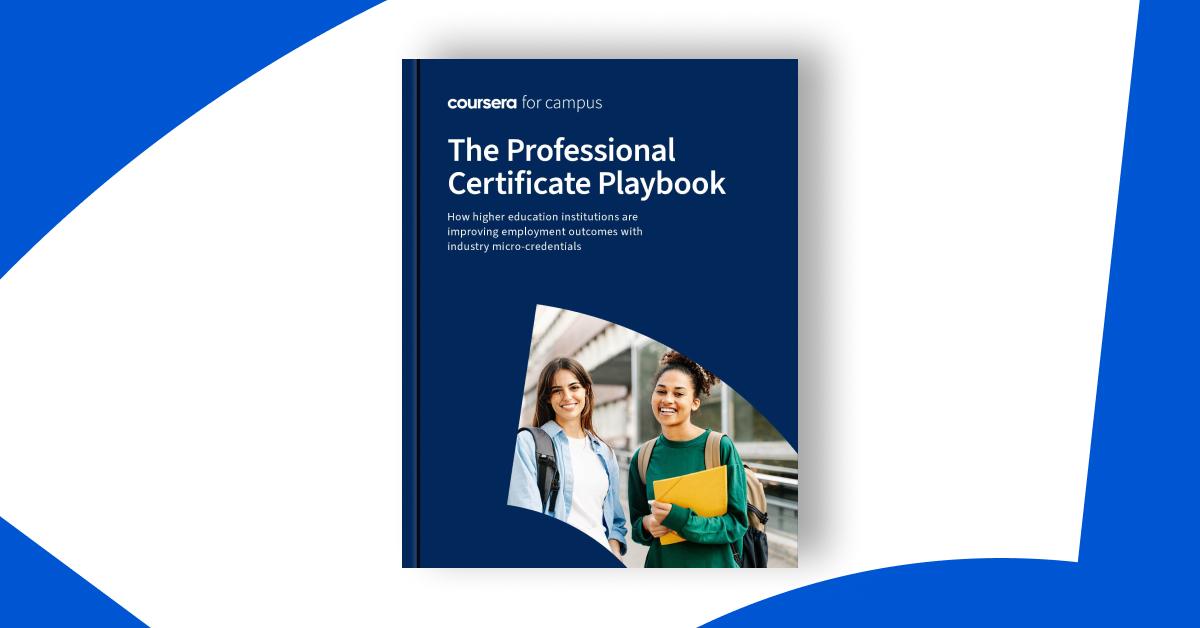
Unlocking Career Advancement: The Rise of Micro-Credentials in Professional Development
In today’s fast-paced and ever-evolving job market, professionals are continuously seeking new ways to stay competitive, adapt to emerging technologies, and advance their careers. The traditional path of earning a college degree, followed by years of on-the-job experience, is no longer the only route to career success. Enter micro-credentials: a flexible, affordable, and targeted approach to professional development that’s rapidly gaining traction on a global scale. This article explores the growing influence of micro-credentials, their benefits, and practical ways to leverage them for career advancement.
What Are Micro-Credentials?
Micro-credentials are short, focused qualifications that demonstrate a person’s proficiency in a specific skill set or area of expertise. Unlike traditional degrees,which frequently enough require years of study,micro-credentials can be earned in a matter of weeks or months. They’re typically delivered online, making them accessible to working professionals worldwide.
- Length: Usually completed in a short time frame (weeks or months)
- Focus: Targeted on specific skills, competencies, or knowledge areas
- Format: frequently enough digital badges or certifications that are easily shareable on platforms like linkedin
- Providers: Universities, private institutes, and digital platforms (like Coursera, Udemy, LinkedIn Learning)
As micro-credentials are modular and stackable, learners can build a portfolio of skills aligned with their career goals and changing industry demands.
Why Are Micro-Credentials on the Rise?
The rise of micro-credentials is a response to several pressing trends in the workplace:
- Rapid technological innovation: Skills needed in the workplace change faster than traditional learning pathways can accommodate.
- Demand for lifelong learning: Employees must continuously upskill and reskill to remain relevant.
- Adaptability and accessibility: Working adults need learning solutions that fit into their busy lives and budgets.
- Employer recognition: Companies increasingly value demonstrated, up-to-date skills over formal degrees alone.
as a result, micro-credentials are becoming integral to career advancement strategies for professionals across industries.
Benefits of Micro-Credentials in Professional Development
adopting micro-credentials as part of your professional development strategy offers various advantages, whether you’re an employee, job seeker, or employer:
- Agility and Relevance: Learn the latest industry-relevant skills quickly to respond to evolving job requirements.
- Affordable Professional Development: Compared to traditional degree programs, micro-credentials are budget-pleasant and can be self-paced.
- Career Flexibility: Explore different specializations or fields without a major time or financial commitment.
- Increased Employability: Stand out to employers with visible proof of in-demand skills, showcased via digital badges or certificates.
- Personal Growth: Continuous learning nurtures personal and professional growth, keeping you motivated and engaged.
By integrating micro-credentials into resumes, LinkedIn profiles, or personal portfolios, professionals can highlight their continuous commitment to learning and career advancement.
Micro-Credentials vs. Traditional Qualifications
While traditional degrees remain valuable, especially for foundational knowledge, micro-credentials provide the tactical edge needed in fast-changing sectors.Here’s how they stack up:
| Micro-Credentials | Traditional Degrees |
|---|---|
| Short, focused, modular | Long-term, broad curriculum |
| Specific skill or competency | in-depth, thorough knowledge |
| Lower cost, less time | Expensive, time-intensive |
| Digital badges/certificates | Diplomas/degrees |
| Highly relevant to immediate job needs | Foundational knowledge for long-term careers |
Many professionals opt to combine both for a holistic and versatile profile, using micro-credentials to supplement traditional education.
Case Studies: Real-World Impact of Micro-credentials
Case Study 1: Accelerating IT Careers
Alex, a software developer, leveraged a stack of micro-credentials from Coursera in machine learning and cloud computing to quickly transition into an artificial intelligence-focused role at a Fortune 500 company. His digital badges and certifications, displayed on LinkedIn, caught recruiters’ attention and demonstrated his readiness for the evolving tech landscape.
Case Study 2: Upskilling for Healthcare Professionals
Maria, a registered nurse, completed micro-credential courses in telemedicine and digital health offered by her local university. These specialized skills allowed her to advance into a management position, overseeing the hospital’s new remote care program.
Case Study 3: Boosting Employability for Recent Graduates
After graduating with a marketing degree, Sam used micro-credentials in data analytics and SEO from LinkedIn Learning to stand out in a crowded job market. Within months, he secured a digital marketing analyst role, citing his micro-credential achievements in interviews.
How to Leverage Micro-credentials for Career Advancement
Integrating micro-credentials into your professional development plan can supercharge your career trajectory. Here are actionable tips:
- Identify skill gaps: Reflect on your current skills and industry trends to find where additional expertise is most needed.
- Choose reputable providers: Pursue micro-credentials from recognized organizations, universities, or industry leaders.
- Align with career goals: Select micro-credentials that directly enhance your desired career path or target role.
- Stack credentials strategically: Combine multiple micro-credentials for a robust,well-rounded skill set.
- Showcase achievements: Add digital badges and certificates to your LinkedIn profile, personal website, or digital portfolio.
- Network and share: engage with peer communities to share your micro-credential journey and learn from others.
Remember that consistent, targeted upskilling can set you apart in today’s competitive job market.
Best Practices: earning and Using Micro-Credentials
- Stay informed about the latest industry trends and anticipate emerging skill requirements.
- Opt for accredited or widely recognized micro-credentialing programs to ensure employer recognition.
- Document learning outcomes: Keep a record of your projects, assessments, or applied learning from each micro-credential.
- Promote your digital badges: Link to them on your email signature, resume, and social channels.
- Continue learning: Treat micro-credentials as an ongoing journey, not a one-time event.
Conclusion: The Future of Professional Development
As industries evolve and the shelf-life of skills shortens, micro-credentials offer a responsive and effective solution for professionals eager to unlock new career opportunities. Their flexibility, affordability, and targeted approach make them a powerful tool for career advancement in the 21st century. Whether you’re aiming for a promotion, exploring a new field, or simply striving to stay ahead, embracing micro-credentials within your professional development strategy is a smart investment in your future.
Ready to unlock your full career potential? Start exploring micro-credentials today and take control of your professional journey.