
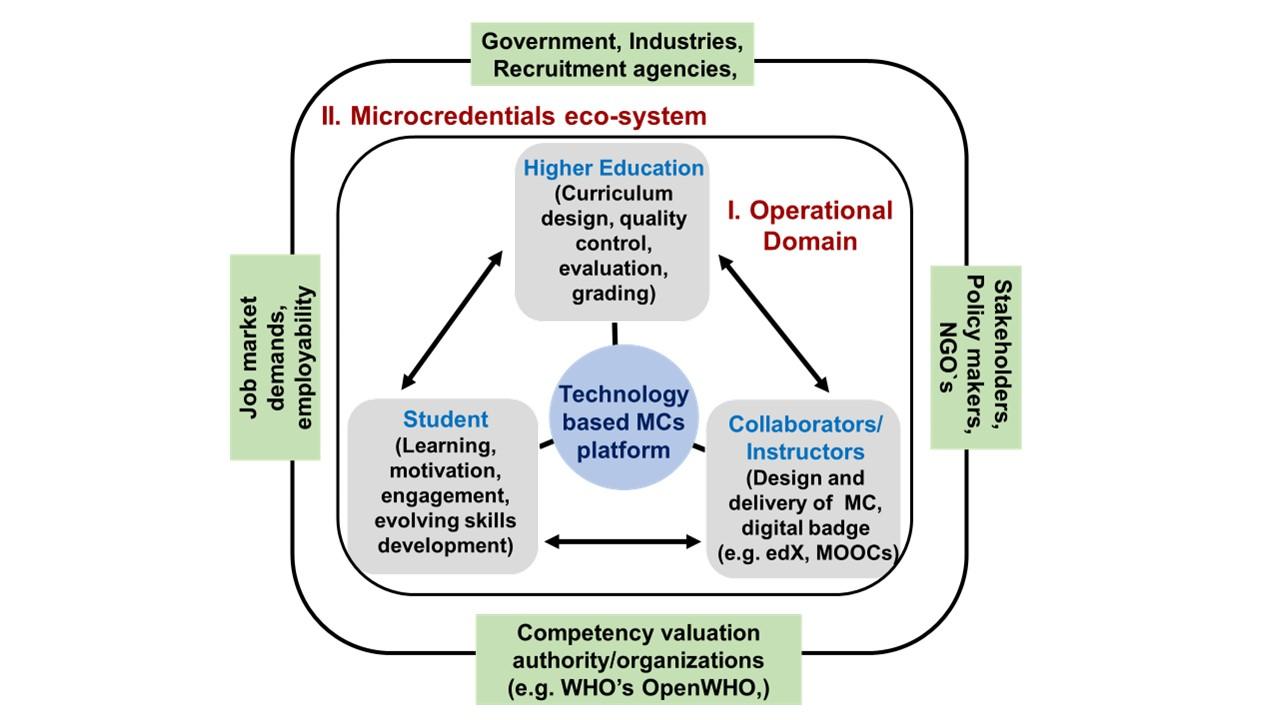
unlocking Careers: The Rise of micro-Credentials in Professional development
In today’s fast-evolving job landscape, embracing continuous learning is essential. Micro-credentials are quickly becoming the key to unlocking career opportunities, bridging skill gaps, and staying competitive. find out how micro-credentials are transforming professional development and how you can harness their power to elevate your career.
What Are Micro-Credentials?
micro-credentials are short, focused learning programs that certify mastery in specific skills or competencies. Unlike traditional degrees or diplomas, these digital certifications can be earned rapidly, frequently enough thru online platforms, and showcase an individual’s expertise in a niche area.
- Stackable: Can be combined with other credentials to form a complete skill set.
- Digital & Portable: Typically issued digitally, making them easy to share on professional networks like LinkedIn or digital resumes.
- Industry-Driven: Developed in response to current industry needs and trends.
Why Micro-Credentials Are Gaining Momentum
The rise of micro-credentials is a response to the accelerating pace of technological change. Employers are increasingly seeking candidates who demonstrate continuous learning and specialized knowledge.
- Bridging Skills Gaps: Micro-credentials allow professionals to quickly upskill and respond to evolving job demands.
- Flexible Learning: Learners can adapt training to their schedules and needs,supporting a culture of lifelong learning.
- Recognition by Employers: More organizations are recognizing and valuing micro-credentials in recruitment and promotion decisions.
- Cost-Effective: Micro-credentials are often less expensive than traditional education, reducing financial barriers to professional growth.
How Micro-credentials Boost Professional Development
Micro-credentials empower professionals to take charge of their own learning journeys. Here’s how thay fit into modern career advancement:
Targeted Skill Acquisition
whether it’s mastering data analysis, project management, or digital marketing, micro-credentials provide focused learning experiences tailored to specific job roles or industries.
Enhanced Employability & Career Mobility
Professionals armed with recognized micro-credentials have an advantage in a crowded job market, often standing out to recruiters looking for verifiable, up-to-date skills.
Recognition & Personal Branding
Earning and displaying micro-credentials on your digital resume or portfolio signals commitment to growth and adaptability, key traits sought after by employers.
Benefits of Micro-Credentials for Learners & Employers
For Learners:
- Fast-track skill development for specific roles
- Versatility to learn at your own pace
- Affordability compared to traditional degrees
- Immediate proof of skill on professional networks
For Employers:
- Quickly fill skills gaps within teams
- encourage continuous learning and adaptability
- Streamline recruitment based on verifiable skills
- Promote from within by supporting workforce upskilling
Real-World Case studies: Micro-Credentials in Action
Case Study 1: Tech Industry Upskilling
A leading software development firm introduced micro-credentials for AI and cybersecurity. Over 70% of participants reported promotions or new job offers within months, underlining the value of rapid, focused learning in the tech sphere.
Case Study 2: Healthcare Professional Development
To address emerging needs, a hospital system offered micro-credentials in telemedicine and patient privacy. Both nurses and doctors benefited from flexible, bite-sized courses that fit their busy schedules, leading to improved service delivery and renewed professional confidence.
Case Study 3: Education Sector Innovation
A school district used micro-credentials to train teachers in remote education technology. Completion rates exceeded 90%,and student engagement scores rose,demonstrating the broad applicability of micro-credentials beyond traditional corporate environments.
First-Hand Experience: A Learner’s Perspective
“I needed to pivot my marketing career toward digital analytics but couldn’t commit to a full-time program. by earning micro-credentials from recognized platforms, I acquired in-demand skills on my schedule and landed a new job in just six months.”
— Sarah T., Digital Marketing Analyst
Practical Tips: How to Get Started with micro-Credentials
- Assess Your Goals: Identify gaps in your current skill set and research which micro-credentials align with your career aspirations.
- Choose Recognized Providers: Opt for industry-led programs or accredited online learning platforms, such as LinkedIn learning, Coursera, or industry-specific institutions.
- Showcase Your Achievements: Add earned micro-credentials to your LinkedIn profile, resume, and professional portfolios.
- Keep Learning: The world of work is ever-changing; commit to regular upskilling by integrating learning into your career routine.
- Engage with Communities: Join online forums or local networking events to discuss best practices and new opportunities with fellow learners and experts.
Frequently Asked Questions About Micro-Credentials
- Are micro-credentials recognized by employers?
-
Yes, an increasing number of employers recognize and value micro-credentials, especially when they come from reputable platforms or are industry-endorsed.
- Can micro-credentials replace a traditional degree?
-
While micro-credentials are rarely substitutes for degrees in all contexts, they powerfully complement traditional education and can tip the scales in competitive job markets.
- Do micro-credentials expire?
-
Most micro-credentials don’t expire, but it’s meaningful to keep your skills current by pursuing updated credentials as industries evolve.
conclusion: The Future of Professional Growth
The emergence of micro-credentials in professional development signals a shift toward a more agile, skills-focused workforce. As industries continue to transform, micro-credentials offer a streamlined path for both learners and employers to bridge skills gaps and embrace lifelong learning. adopting this innovative approach empowers professionals to unlock new career opportunities and ensures a more dynamic,adept global workforce.
Embrace the power of micro-credentials—unlock your career growth today!