
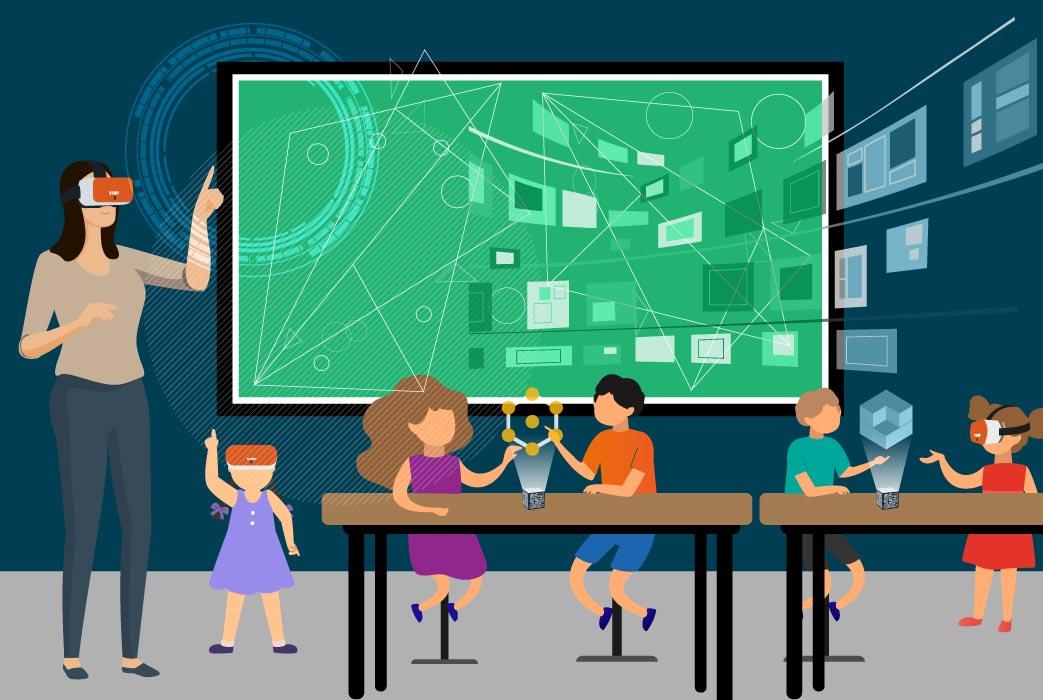
Unlocking Classroom Innovation: Effective Teacher Training for VR/AR Tools
virtual Reality (VR) and Augmented Reality (AR) are transforming classrooms worldwide, offering fresh, immersive experiences that accelerate learning. But the true potential of these technologies can be unlocked only when educators are confident and well-trained. In this comprehensive guide, we’ll explore how effective teacher training in VR/AR tools not only fosters classroom innovation, but also ensures successful integration into everyday teaching practices.
understanding VR/AR in Modern Education
VR (Virtual Reality) immerses students in 3D, computer-generated environments, while AR (Augmented reality) overlays digital information onto the real world. Both technologies can enhance engagement, enable hands-on learning, and open up new possibilities for subjects ranging from history to science. However, the adoption of VR/AR in education hinges on teacher readiness and robust professional development.
- VR Classroom Tools: Headsets, 3D environments, educational apps
- AR Classroom tools: Tablets, smartphones, interactive software, printable triggers
Why Teacher Training in VR/AR Is Essential
Many educators feel unsure about using VR/AR because of unfamiliar interfaces, technical challenges, and lack of pedagogical guidance. Without proper training, these powerful tools may remain underutilized or be used ineffectively. Effective teacher training empowers educators to:
- Develop technical proficiency in using VR/AR devices and platforms
- Design immersive, curriculum-aligned lessons
- Facilitate inclusive activities that suit diverse learning needs
- Evaluate the impact of VR/AR on student engagement and achievement
Benefits of effective VR/AR Teacher Training
Comprehensive professional development in VR/AR offers benefits far beyond technical know-how. Hear’s what effective VR/AR teacher training brings to the classroom:
- Enhanced Student Engagement: Well-trained teachers can create more captivating and interactive learning experiences.
- improved Learning Outcomes: Teachers learn how to align VR/AR activities with curriculum objectives.
- Greater Accessibility: Training covers strategies for adapting VR/AR content to meet different learners’ needs.
- Creative Lesson Planning: Educators can design innovative projects that go beyond customary teaching methods.
- Smoother Technology Integration: Training minimizes technical hiccups, saving time and reducing frustration.
Key Elements of Effective VR/AR Teacher training Programs
The most successful VR/AR training programs incorporate a blend of pedagogy, technology, and ongoing support.Below are the critical components to look for:
1. Hands-on Workshops
- Interactive sessions where teachers use actual VR headsets and AR apps
- Guided walkthroughs for setting up and troubleshooting equipment
2. Pedagogical Frameworks
- Examples of how VR/AR aligns with constructivist and experiential learning theories
- Lesson planning templates tailored to immersive technology
3. Collaborative Learning
- Peer-to-peer sharing sessions and online communities for ongoing support
- Case studies and discussion groups centered around real-world classroom scenarios
4. Technical Training and Troubleshooting
- Basic troubleshooting for common classroom issues with VR/AR devices
- Regular updates on new educational VR/AR apps and platforms
5. Continuous Professional Development
- Access to webinars, refresher courses, and certifications
- Mentoring programs connecting tech-savvy teachers with colleagues new to VR/AR
Practical Tips for Implementing VR/AR in the classroom
After training, the next step is to put VR/AR into practise. Here are actionable tips teachers can use to get started:
- Start Small: Integrate simple AR apps or short VR explorations before moving to complex projects.
- Align with Curriculum: Choose VR/AR applications and simulations that enhance existing lesson plans.
- Consider Accessibility: Ensure all students, including those with disabilities, can participate by using accessible hardware and inclusive activity designs.
- Encourage Student Creation: Let students create their own AR content or VR environments, fostering ownership and creativity.
- Evaluate and Refine: Seek student feedback, measure learning outcomes, and adjust your approach as needed.
Case Studies: VR/AR Transforming Classrooms
Case Study 1: Bringing Science to Life
At a middle school in California, teachers who attended VR/AR training introduced a VR simulation of the cell structure. Students could “walk” inside a cell, identify organelles, and visualize processes like mitosis up-close. Post-training, teachers felt confident using the tech, and students reported higher engagement and mastery.
Case Study 2: Immersive Language Learning
A language arts department in Spain implemented AR-triggered stories and VR environments for conversational practice. Educators initially struggled but, after targeted workshops, seamlessly integrated these tools. The result? Improved spoken fluency and greater enthusiasm among learners.
First-Hand Experience: Teacher Insights on VR/AR Training
“Participating in a dedicated VR/AR training course was a game-changer. I learned not just how to use the devices, but how to turn them into powerful learning experiences. Seeing my students’ excitement made the learning curve worth it!”
— Sarah P., High School Biology Teacher
“Ongoing support made all the difference. Our school established a tech mentorship program for VR/AR, and I finally felt confident troubleshooting problems on my own.”
— Carlos D., elementary Teacher
Overcoming Challenges in VR/AR Teacher Training
Implementing VR/AR teacher training is not without obstacles. Common challenges include budget constraints, resistance to change, and time pressures. here’s how schools and educators can tackle them:
- Leverage Grants and Partnerships: Seek out technology grants and form alliances with educational VR/AR providers.
- Build a Supportive Culture: Foster a growth mindset and celebrate small successes in tech adoption.
- encourage Continuous Learning: Make professional development a regular part of staff meetings and strategic planning.
Conclusion: Unlocking the Potential of VR/AR in education
Investing in effective teacher training for VR/AR tools is key to unlocking classroom innovation. When educators are equipped with the right skills and support, immersive technology can move beyond novelty to become an integral, enriching part of everyday learning. Schools that prioritize ongoing, practical, and collaborative professional development not only transform their tech adoption journey but also ensure their students are future-ready.
Ready to revolutionize your classroom? Start with comprehensive VR/AR teacher training and discover the endless possibilities of immersive learning!