
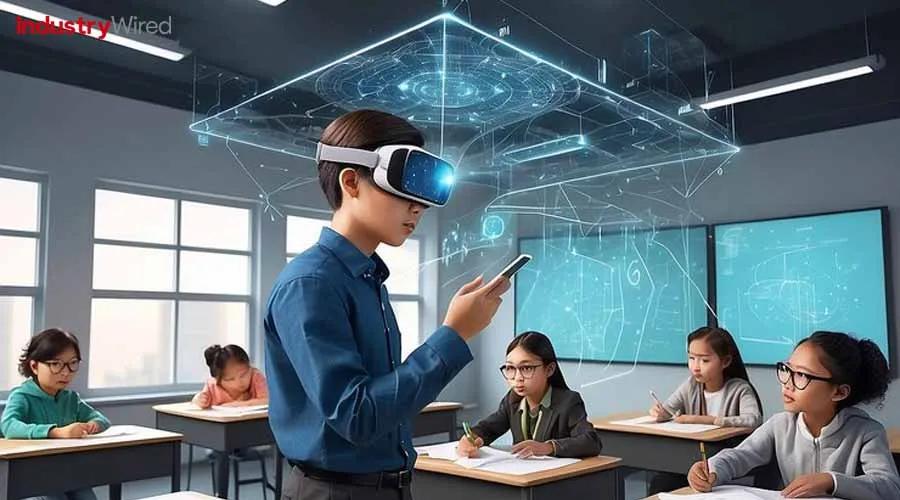
Unlocking Classroom Innovation: Effective Training Strategies for Teachers Using VR/AR Tools
Virtual Reality (VR) and Augmented Reality (AR) are driving a conversion in educational approaches worldwide. As compelling classroom innovation tools, VR/AR solutions empower educators and students, fostering interactive learning and sparking curiosity. Yet, embracing this technology requires targeted teacher training strategies to overcome common hurdles, from unfamiliarity to integration challenges. This article delves into practical approaches, benefits, real success stories, and expert tips to help schools and teachers unlock the full potential of VR/AR in education.
Why Integrate VR/AR in Education?
Immersive learning has gained momentum, supported by research showing that interactive technology can enhance student comprehension and retention. When applied thoughtfully, VR/AR creates dynamic experiences for students across all ages and subjects:
- Concept Visualization: Turn abstract ideas into tangible, 3D experiences — for example, exploring the solar system or investigating the inside of a cell.
- Experiential learning: Offer historical simulations or virtual field trips to places otherwise out of reach.
- Student Engagement: Increase motivation and attention with gamified, hands-on tasks.
- Support for Diverse Learners: Accommodate varying learning styles and needs, including students with special education requirements.
But harnessing thes benefits depends on how well teachers are equipped through effective VR/AR training programs.
Key Benefits of Effective VR/AR Training for Teachers
Empowering teachers through targeted professional development delivers lasting advantages, both for educators and their students:
- Boosted Confidence: familiarity with VR/AR technologies helps teachers overcome apprehension and inspires creative lesson planning.
- Curriculum Enhancement: training enables seamless integration of immersive content into existing curricula.
- Increased Technology Adoption: Well-prepared teachers can act as tech advocates and peer mentors.
- Sustained Classroom Innovation: Ongoing support fosters a culture of experimentation and continuous betterment.
Effective Training Strategies for Teachers Using VR/AR Tools
Developing robust professional learning pathways is essential. The most successful VR/AR teacher training strategies feature several vital components:
1. Hands-On Workshops and Sandbox Sessions
- Interactive Learning: Organize in-person or virtual workshops where teachers use VR/AR devices, explore educational apps, and create sample lessons.
- Low-Stakes Experimentation: Provide a safe, collaborative environment (“sandbox”) for teachers to test features without fear of failure.
2. Step-By-Step Onboarding Materials
- Video Tutorials & Quickstart Guides: Develop accessible, visually-rich resources to demystify device setup, interface navigation, and classroom management tips.
- Resource libraries: Curate a collection of lesson plans, case studies, and troubleshooting FAQs tailored to diffrent subjects and age groups.
3. Peer Mentoring and Communities of practice
- Teacher Champions: Identify and train early adopters to serve as on-site mentors for their colleagues.
- Online Forums: Facilitate professional learning communities (PLCs) where educators can exchange experiences, ideas, and support.
4. Integration with Pedagogy
- Curriculum Alignment: Partner with curriculum designers to integrate VR/AR meaningfully rather than as a novelty.
- Proven Instructional Models: Connect VR/AR usage with instructional frameworks like the SAMR model or Bloom’s taxonomy.
5. Ongoing Assessment and Feedback
- Reflective Practice: Encourage teachers to evaluate lesson success, student engagement, and learning outcomes after each VR/AR implementation.
- Iterative Improvement: Use feedback to refine both content and technical training over time.
Practical Tips for teachers Starting with VR/AR Tools
If you’re a teacher or a school leader eager to kickstart your VR/AR journey, consider these actionable recommendations:
- Start Small: Pilot with a single lesson, app, or class to build confidence and gather feedback before scaling up.
- Leverage Free Resources: Explore open-access VR/AR content and teacher communities such as Educators in VR and AR/VR Tips.
- Involve Students: invite students to co-create VR/AR experiences or share their learning goals and interests.
- Plan for accessibility: Ensure VR/AR experiences accommodate different abilities and avoid content that may cause discomfort (e.g., motion sickness).
- Stay Informed: Attend webinars, tech expos, or local meetups for the latest updates and inspiration.
Case Studies: Success Stories of VR/AR in the Classroom
Case Study 1: Virtual Field Trips at Lincoln High School
Lincoln High’s science department introduced VR headsets and Google Expeditions, taking students on virtual journeys to the Amazon, Mars, and the bottom of the ocean. After a series of peer-led training workshops, teachers reported:
- 35% increase in student participation and questions during lessons
- Improved retention rates, with 78% of students recalling key details a month after lessons
- Teacher feedback highlighted the importance of short, scenario-based training modules
Case Study 2: Augmented Reality Storytelling for literacy
A primary school in Liverpool used AR apps to bring stories to life in language arts classes. Teachers collaborated in PLCs to design and share AR-based activities. Notable outcomes included:
- Higher reading engagement among reluctant readers
- Teachers expressing increased enthusiasm about experimenting with technology
- The school district now allocates dedicated PD days for emerging tech
First-Hand Experience: A Teacher’s Outlook
“Integrating VR into my social studies curriculum was initially overwhelming. The professional development provided by our district made all the difference—it wasn’t just about the tech, but how to make history come alive. Collaborating with peers and seeing immediate student excitement made me a lifelong advocate for classroom innovation.”
– Emily Zhang, Middle School Teacher
Overcoming Common Challenges in VR/AR Teacher Training
- Time Constraints: Embed micro-learning modules into existing schedules and offer flexible, asynchronous options.
- Budget Limitations: Start with affordable or shared devices, seek grants, and utilize free VR/AR apps.
- Technical Hurdles: Partner with IT staff for setup and troubleshooting; create clear, simple guides for teachers.
- Curriculum Overload: Focus on direct alignment with learning standards and measurable outcomes.
Best Practices for Sustained VR/AR Integration
- Start with Pedagogy: Let learning objectives, not hardware, drive technology adoption.
- Build Teacher Agency: Encourage experimentation and recognize early adopters.
- Measure Impact: Collect and share data on student outcomes and teacher satisfaction for continued program investment.
- Foster Collaboration: Break silos between educators,tech facilitators,and curriculum planners.
Conclusion: Empowering Teachers for the future of Learning
Unlocking classroom innovation with VR/AR tools rests on comprehensive,practical,and ongoing teacher training. by prioritizing hands-on learning, collaboration, and alignment with curriculum goals, educators can confidently leverage immersive technology to enrich their classrooms. as more schools invest in effective professional development for VR/AR, they pave the way for inspired teaching, passionate students, and a future-ready learning environment. Whether you’re a tech enthusiast or taking your first steps into VR/AR education, the training strategies outlined above can transform both mindset and practice, making classroom innovation an everyday reality.