
Unlocking Classroom Innovation: Training Teachers to Use VR/AR Tools Effectively
In today’s rapidly evolving educational landscape,Virtual Reality (VR) and Augmented Reality (AR) technologies are no longer concepts of the future—they have become transformative tools in the present. These immersive technologies are driving unprecedented levels of student engagement, personalized learning, and interactive teaching. However, unlocking the true potential of VR and AR in the classroom hinges on effective teacher training. So, how can educators successfully adopt and maximize these tools to foster classroom innovation?
Understanding the Importance of VR/AR Technologies in Education
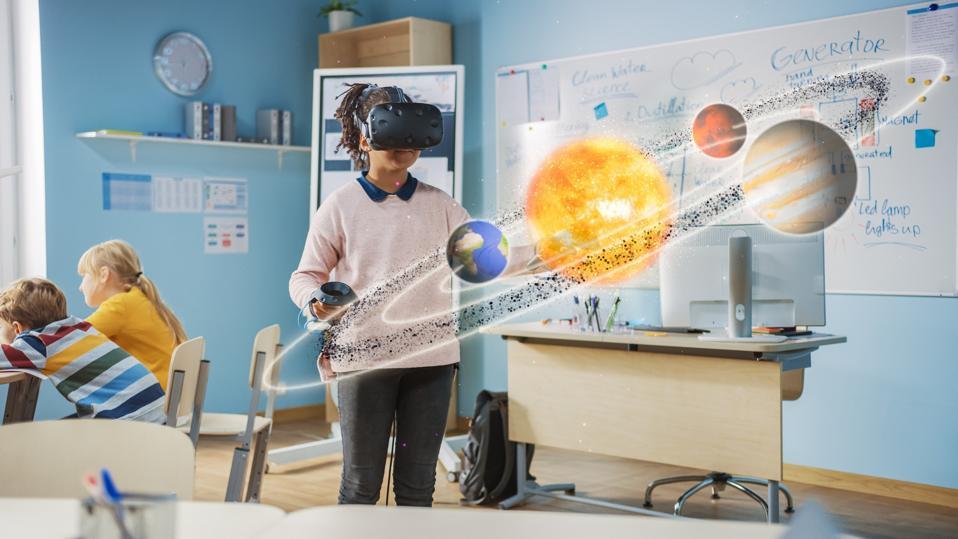
VR and AR are revolutionizing learning experiences by making abstract concepts tangible, facilitating experiential learning, and bridging the gap between theory and practice. Their ability to create immersive simulations and bring subjects to life is invaluable in STEM, history, arts, and beyond. But to harness these benefits, teachers must possess both technical proficiency and pedagogical expertise in using VR/AR classroom tools.
Benefits of Training Teachers to Use VR/AR Tools Effectively
- Enhanced Student engagement: Interactive, immersive environments captivate students, reducing distractions and increasing knowledge retention.
- Personalized Learning: VR/AR enables differentiated instruction, catering to diverse learning styles and paces.
- Real-World Applications: Simulations allow students to explore real-world scenarios and problem-solving, making learning authentic and relevant.
- Collaborative Learning: Many VR/AR platforms promote teamwork and communication, building essential social skills.
- Safe Exploration: Students can experiment and make mistakes in virtual environments without real-world consequences.
Challenges Faced by Educators with VR/AR Integration
despite the advantages, integrating VR and AR in classrooms presents its own set of challenges:
- Technical Complexity: Navigating new hardware, platforms, and software can be daunting.
- resource Constraints: Not all schools are equipped with sufficient devices or funding.
- Curriculum Alignment: Educators may struggle to seamlessly incorporate VR/AR experiences within existing lesson plans.
- Training Gaps: Professional progress opportunities in immersive technology are not always readily accessible.
Strategies for Effective Teacher Training in VR/AR Tools
To empower teachers to become confident,innovative users of VR and AR technologies,tailored training programs are essential. Consider these proven strategies for successful immersive technology adoption in education:
1.Start with the Basics
- Begin training with basic concepts: what VR and AR are, differences, and sample classroom applications.
- Provide hands-on introductions to hardware (VR headsets, AR-enabled tablets) and central software platforms.
- Use simple, interactive demonstrations to build comfort.
2. Focus on Pedagogical Integration
- Highlight best practices for aligning VR/AR experiences with curriculum goals and learning outcomes.
- Demonstrate lesson planning with immersive technology.
- Discuss classroom management techniques for VR/AR activities.
3. offer Ongoing Professional Development
- Provide regular workshops, webinars, and hands-on sessions facilitated by experts.
- Establish peer support groups for sharing experiences and troubleshooting issues.
- Encourage participation in online communities and forums dedicated to VR/AR in education.
4. Embrace Blended Learning Approaches
- Combine traditional face-to-face training with online resources for continued support.
- Create tutorial videos, digital guides, and self-paced modules accessible anytime.
5. Use Real Classroom Scenarios
- incorporate case studies,sample lesson plans,and demonstrations from actual classroom deployments.
- Show before-and-after results of VR/AR integration to highlight tangible benefits.
6. Address Technical and Accessibility Concerns
- Train teachers in basic troubleshooting and maintenance of VR/AR hardware.
- Ensure content is inclusive and adapts for students with diverse needs.
Practical Tips for Teachers Embarking on VR/AR adoption
- Start Small: Pilot simple VR/AR activities before scaling to larger projects.
- Engage Students: Involve students in creating VR/AR content,fostering creativity and technical skills.
- Leverage Free Resources: Use free and open-source apps and lesson libraries to mitigate budget limitations.
- Assess Impact: Collect feedback and measure student engagement to refine practices.
- Collaborate: Work with tech coordinators, librarians, and othre educators for cross-disciplinary integration.
Case Studies: VR/AR in Action in the Classroom
Case Study 1: Bringing History to Life with VR
At Jefferson Middle School, seventh-grade history teacher ms. Martinez adopted VR field trips to ancient civilizations. After attending a district-sponsored VR training workshop,she designed interactive experiences where students ‘walked’ through the ruins of Rome and Egypt.
Result: Students reported increased enthusiasm for history, and test scores on the corresponding units improved by 17%. Ms. Martinez attributes this success to her hands-on professional development and collaborative lesson planning with peers.
Case Study 2: STEM Learning Enhanced by AR
In Austin,Texas,science teacher Mr. Lee integrated AR-based molecular modeling apps into his biology lessons. His district provided online training modules and mentorship from a local university.
Result: Mr. Lee’s students gained a clearer understanding of molecular structures, with notable improvements in participation and concept mastery. “training made all the difference,” Mr.Lee notes. “I went from hesitant to confident, and my students responded positively.”
Firsthand Teacher Experiences
“I was intimidated by virtual reality at frist, but our school provided patient, step-by-step training. Now, I can’t imagine teaching without these tools—my students are more curious and engaged than ever.”
– Sarah P., 5th Grade Teacher
“I created my first AR scavenger hunt for Earth Day after watching a webinar. The excitement was palpable, and the kids learned more in one hour than from a traditional worksheet. Practical, ongoing training is key.”
– Daniel K., High school Science Teacher
Recommended VR/AR Resources for Teachers
- ThingLink EDU: Interactive images and videos for immersive storytelling.
- ClassVR: curriculum-aligned resources for schools with training support.
- Microsoft Education: Guides and case studies on mixed reality in the classroom.
- EdTech Magazine: training teachers in AR/VR: Industry news and updates.
Conclusion: Empowering Educators for Classroom Innovation
Unlocking classroom innovation with VR and AR goes beyond introducing new gadgets—it’s about equipping teachers with the confidence,skills,and support they need to be digital trailblazers. Through comprehensive, ongoing training, collaboration, and access to quality resources, educators can transform traditional lessons into unforgettable journeys of discovery. When teachers are empowered to use VR/AR tools effectively, the ripple effect extends beyond engagement—it cultivates critical thinking, creativity, and lifelong learning in every student.
Ready to take the next step? Advocate for immersive technology training at your school, explore free professional development opportunities, and join online educator communities. Transform the learning experience, one virtual reality at a time.