
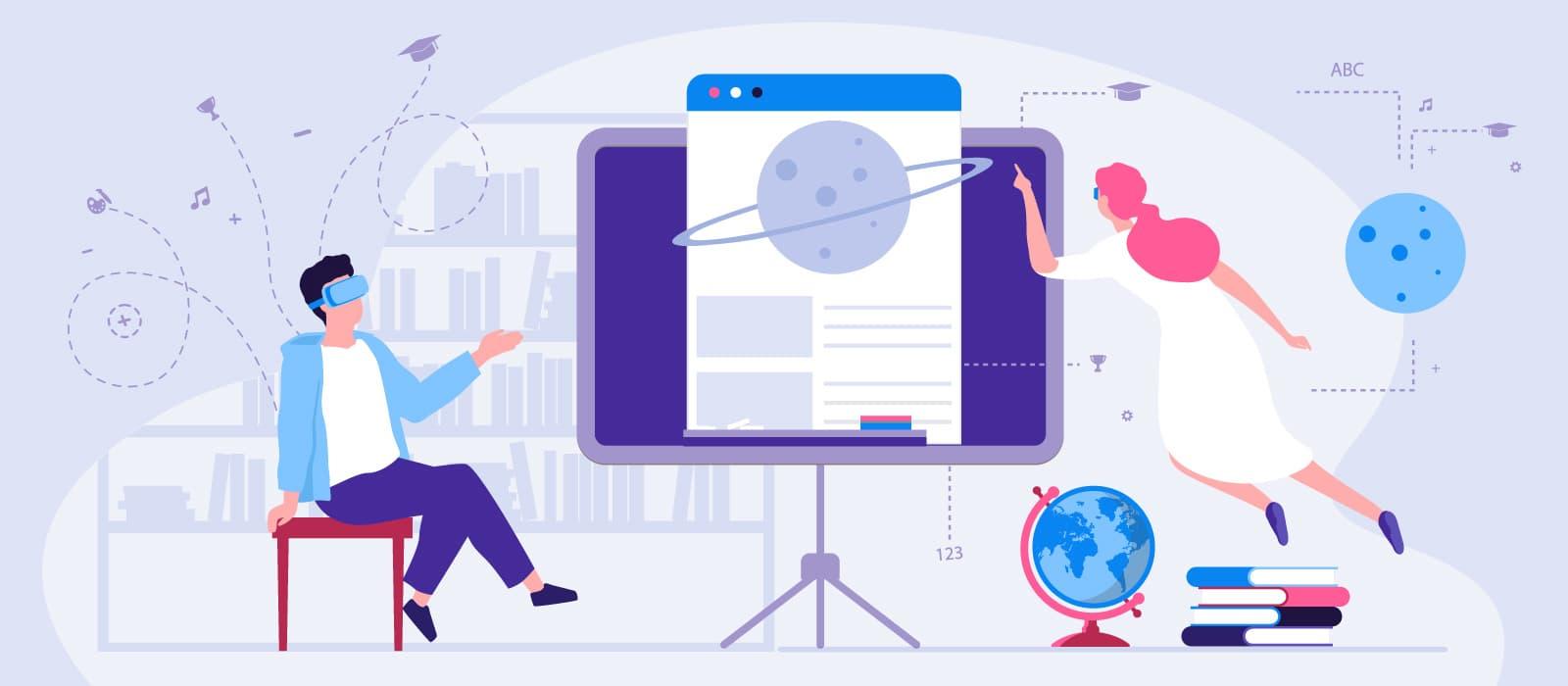
Unlocking classroom Potential: Effective VR/AR Training Strategies for teachers
The advancement of Virtual Reality (VR) and Augmented Reality (AR) technologies is transforming traditional educational environments into immersive learning spaces. Tho,effectively integrating these powerful tools into the curriculum hinges on one critical factor: well-prepared and confident teachers. In this guide, we’ll explore proven VR/AR training strategies for teachers, essential for unlocking your classroom’s full potential and preparing students for a tech-empowered future.
Why VR/AR in Education? The Value Proposition
VR and AR bring lessons to life, spark curiosity, and provide real-world context in ways textbooks never can. By enabling experiential and interactive learning,VR/AR in education empowers students of all learning styles. but to get the most from these technologies, educators need dedicated training tailored to their needs.
- Enhanced Engagement: Students participate actively in immersive simulations.
- Personalized Learning: AR/VR tools adapt experiences for different learning paces and styles.
- Global Access: Bring field trips, past sites, and science labs directly into the classroom.
- Developing 21st-century Skills: Collaboration, problem-solving, and digital literacy are naturally fostered.
Top VR/AR Training Strategies for Teachers
Transitioning to a tech-enhanced classroom may seem daunting at first. That’s why effective VR/AR training for educators is more than just equipment tutorials—it’s about mindset shifts, ongoing support, and collaborative learning.
1. Start with Interactive Professional Development
Replace passive seminars with hands-on workshops. Allow teachers to experience VR and AR as students first, then as instructors designing lessons.Interactive training deepens understanding and builds confidence for classroom implementation.
2.Focus on Pedagogical Integration
Effective VR/AR training strategies should emphasize not just the “how” but the “why.” Guide educators in aligning VR/AR activities with curriculum objectives, fostering critical thinking, and enhancing existing teaching methods.
- Embed immersive technology into project-based learning.
- Promote inquiry-based approaches using AR explorations.
- Encourage cross-curricular connections (e.g., combining history and science lessons in virtual worlds).
3. Provide Ongoing Support and Collaboration
Form VR/AR professional learning communities—spaces where teachers share successes, troubleshoot challenges, and co-create resources. Use online platforms or regular meet-ups to sustain momentum beyond initial training sessions.
4.Utilize Ready-Made Resources and Lesson Plans
Dozens of organizations, educational publishers, and tech companies offer pre-built VR and AR modules, lesson templates, and tutorials. Introduce these collections during training to speed up integration.
- Curated lesson repositories (e.g., Merge EDU, Google Expeditions)
- Open-source AR activities for rapid classroom use
- Guidance on adapting ready-made content to local curricula
5. Celebrate Success Stories and Foster Experimentation
Highlight early adopters within your school or district. Share video demos,student testimonials,and practical classroom results. Encourage teachers to pilot their own VR/AR-based projects and reflect on their outcomes.
Practical Tips for Seamless Classroom Integration
Whether you’re a tech-savvy educator or just starting your journey, the following actionable tips can definitely help you navigate VR/AR integration with ease.
- Start Small: Try a single AR app or a 360° video tour before scaling up.
- Test Equipment in Advance: Verify device compatibility, internet connections, and physical space prior to lessons.
- Plan Inclusive Experiences: Accommodate students with different needs—offer written instructions and alternative activities for those sensitive to VR environments.
- Solicit Student Feedback: Regularly gauge student engagement and learning outcomes to refine your methods.
- Document and Share: Create a digital portfolio of lesson plans, assessments, and student work for future reference and inspiration.
Case Studies: VR/AR Transforming Classrooms
School districts worldwide are embracing VR/AR classroom strategies with impressive results. here are two brief case studies:
Case Study 1: Immersive History Lessons
A midwestern elementary school implemented VR-based field trips to ancient civilizations. History teachers reported a 60% increase in student recall and classroom discussions. Students who previously struggled with reading found themselves engaged and participatory during VR sessions.
Case Study 2: Science Labs Without Borders
A rural high school leveraged AR simulations to conduct “virtual labs” in biology and chemistry,overcoming resource limitations. Teachers collaborated on adapting digital labs to state standards. Post-implementation surveys revealed higher scores in conceptual understanding and a spike in interest for STEM fields.
First-Hand Experience: A Teacher’s Viewpoint
“As a math and science teacher, bringing VR and AR into my classroom was a game-changer. After attending a series of hands-on workshops, I gained the confidence to create my own immersive lessons. The best part? Watching students light up as they explored interactive ecosystems or visualized geometric concepts right before their eyes. My advice to fellow educators is to embrace experimentation, connect with peers, and don’t be afraid to start small—you’ll be amazed at the results.”
Benefits of Effective VR/AR Teacher Training
Investing in comprehensive VR/AR teacher training multiplies the pedagogical benefits:
- Confidence and Competency: Trained teachers are empowered to use immersive tech frequently and creatively.
- Improved Learning Outcomes: Instruction becomes more engaging and impactful for diverse student groups.
- Reduced Technology Frustration: Educators troubleshoot and adapt more efficiently,minimizing disruptions.
- Professional growth: Teachers expand their digital literacy and leadership skills, benefiting their entire learning community.
Conclusion: Empowering Educators to Lead Tomorrow’s Classrooms
The true potential of VR/AR in the classroom is unlocked not by technology alone, but by inspired and capable teachers. By investing in effective VR/AR training strategies, educators grow into transformative leaders who spark curiosity, foster creativity, and drive deeper learning outcomes with every lesson.whether you’re an administrator planning faculty workshops or a teacher eager to experiment, start your immersive learning journey today—and watch your classroom come alive.