
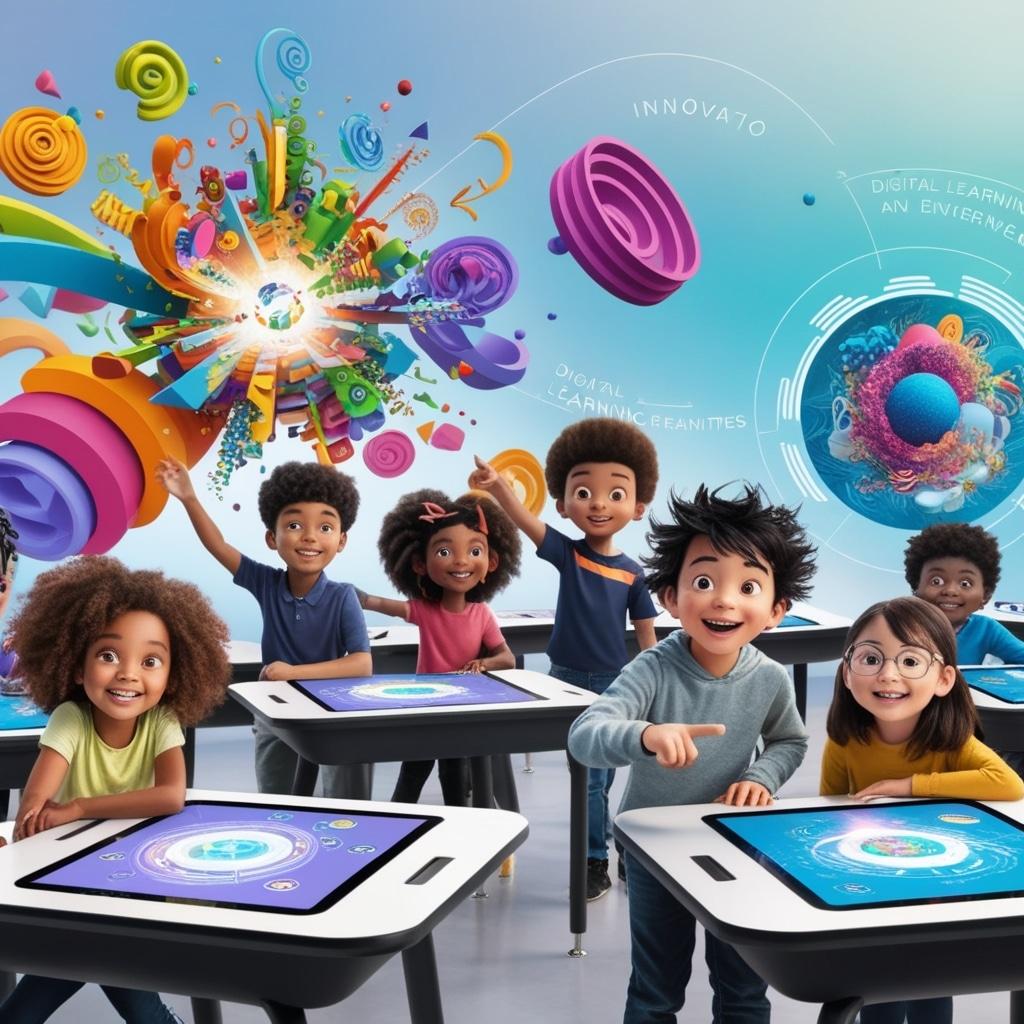
Unlocking E-Learning Success: teh Vital role of a Motion Graphics Designer
Education technology is rapidly evolving, and the need to create engaging, effective online learning experiences is greater than ever before. Universities, colleges, and schools are embracing digital platforms to deliver content, making specialized creative roles crucial to the success of modern classrooms. One key figure driving this revolution is the Motion Graphics Designer. If you’re a job seeker interested in joining the ever-expanding EdTech field, understanding the pivotal contribution of motion graphics design in e-learning can set you apart. In this article, we’ll explore what it takes to thrive as a motion graphics designer in education technology, what skills are needed, and how you can definitely help unlock e-learning success within academic institutions.
What Does a Motion Graphics designer Do in Education Technology?
A motion graphics designer in education technology develops visually compelling animations and visual effects that make complex educational concepts accessible, memorable, and fun for learners of all ages.Their primary role is to bridge the gap between instructional content and student engagement by transforming static lessons into dynamic, interactive experiences.
Key Responsibilities
- Designing animated elements, explainer videos, and interactive modules for e-learning platforms
- Collaborating with subject matter experts and instructional designers to develop storyboards and visual assets
- Utilizing industry-standard design software such as Adobe After Effects, Premiere Pro, and Photoshop
- Ensuring visual consistency and accessibility across learning materials
- Optimizing animations for various digital platforms including learning management systems (LMS), mobile apps, and classroom presentations
- Staying updated with current trends in motion graphics and e-learning technologies
Why Motion Graphics Matter in E-Learning
The integration of motion graphics in academic environments is not just a matter of aesthetics—it’s a proven strategy to boost learners’ attentiveness, comprehension, and facts retention. here’s why hiring a motion graphics designer for e-learning is so impactful:
- Enhances Engagement: Animated graphics capture students’ attention and sustain their focus, especially in remote or hybrid learning environments where distractions are plentiful.
- Improves Understanding: Complex subjects, such as science or mathematics, are easier to grasp when abstract concepts are visualized through motion graphics.
- Boosts Knowledge Retention: Studies show that moving visuals aid memory recall, helping learners retain information long after classes end.
- Cultivates Inclusivity: Well-designed motion graphics accommodate diverse learning styles, supporting visual, auditory, and kinesthetic learners.
Top Skills Needed to succeed as a Motion Graphics Designer in EdTech
Landing a motion graphics designer job at a university, college, or school requires much more than artistic talent. Employers in education technology seek individuals who blend creative flair with technical proficiency and an understanding of pedagogy.Here are the most sought-after skills in the field:
- Animation and Design Expertise: Mastery of 2D and 3D animation, typography, colour theory, and visual storytelling.
- Software Proficiency: Advanced skills in motion graphics tools such as After Effects, cinema 4D, Illustrator, and Photoshop.
- Instructional Design Understanding: Ability to align animations with learning objectives and educational best practices.
- Project Management Abilities: Capable of managing multiple projects, meeting deadlines, and adapting to feedback from educators and students.
- Effective Communication: Collaborative mindset for working with instructional designers, teachers, professors, and technical teams.
- Attention to accessibility: Knowledge of designing for inclusivity, such as providing captions, color-blind-pleasant designs, and pacing animations for all learners.
Benefits of Working as a Motion Graphics Designer in Education Technology
Pursuing a career as a motion graphics designer in education offers both personal and professional rewards. Here’s a look at the top benefits:
- Meaningful Impact: Yoru work directly contributes to student success and advances educational equity.
- Job Security and Growth: As e-learning becomes integral at every educational level, demand for talented designers remains high.
- Creative Fulfillment: Combine your passion for design and animation with a higher purpose by shaping the future of teaching and learning.
- Collaborative Culture: Engage with educators, technologists, and curriculum developers, gaining exposure to new ideas and perspectives.
- Continuous Learning: Education technology is a fast-evolving field, so you’ll constantly develop new skills and stay ahead of industry trends.
how to Become a Motion Graphics Designer in Education Technology
If you aspire to secure a role as a motion graphics designer in education technology, follow thes practical steps:
1. Build a Strong Portfolio
-
Showcase diverse motion graphics samples, especially any work related to education, explainer videos, or interactive learning modules.
-
Include before-and-after examples to demonstrate your problem-solving and creativity.
2. Gain Relevant Experience
-
Volunteer, freelance, or intern with schools, colleges, or EdTech startups to build real-world experience.
-
Collaborate on open-source educational projects or contribute animations to online learning communities.
3. Continue your Education
-
Stay updated with new animation software, e-learning platforms, and educational technology trends.
-
Consider short courses in instructional design, UI/UX for e-learning, or pedagogy basics.
4. Network Within the edtech Industry
-
Join professional associations related to e-learning, motion graphics, or educational technologies.
-
Attend relevant conferences, webinars, or meetups to connect with hiring managers and thought leaders.
5. Tailor Your Request
-
When applying,customize your portfolio and resume to highlight experience and skills that align with the institution’s values and needs.
-
be prepared to discuss how your designs have improved learner outcomes and engagement.
Practical Tips for Job Seekers Interested in EdTech Motion Graphics Roles
- Research Target Institutions: Learn about their digital learning initiatives and adapt your application to address their specific challenges.
- Emphasize Adaptability: Showcase instances where you’ve quickly learned new tools or adapted designs based on user feedback.
- Highlight Metrics: If possible, quantify the impact of your designs—such as increased learner engagement or improved course completion rates.
- Leverage Social Proof: Include testimonials from educators or case studies from previous projects.
- Stay Curious: The EdTech sector is dynamic, so demonstrate a willingness to keep learning about new educational approaches and technologies.
Conclusion: Shape the Future of Education with Motion Graphics Design
The role of a motion graphics designer in education technology is more vital than ever. By crafting visually stunning and pedagogically sound animations, you help unlock the potential of e-learning at universities, colleges, and schools. As educational institutions continue to embrace digital transformation,your skills and creativity can transform how students experience,understand,and enjoy learning. Weather you’re just starting or looking to advance your career in EdTech, developing expertise in motion graphics design is a wise investment in both your future and that of global education.