
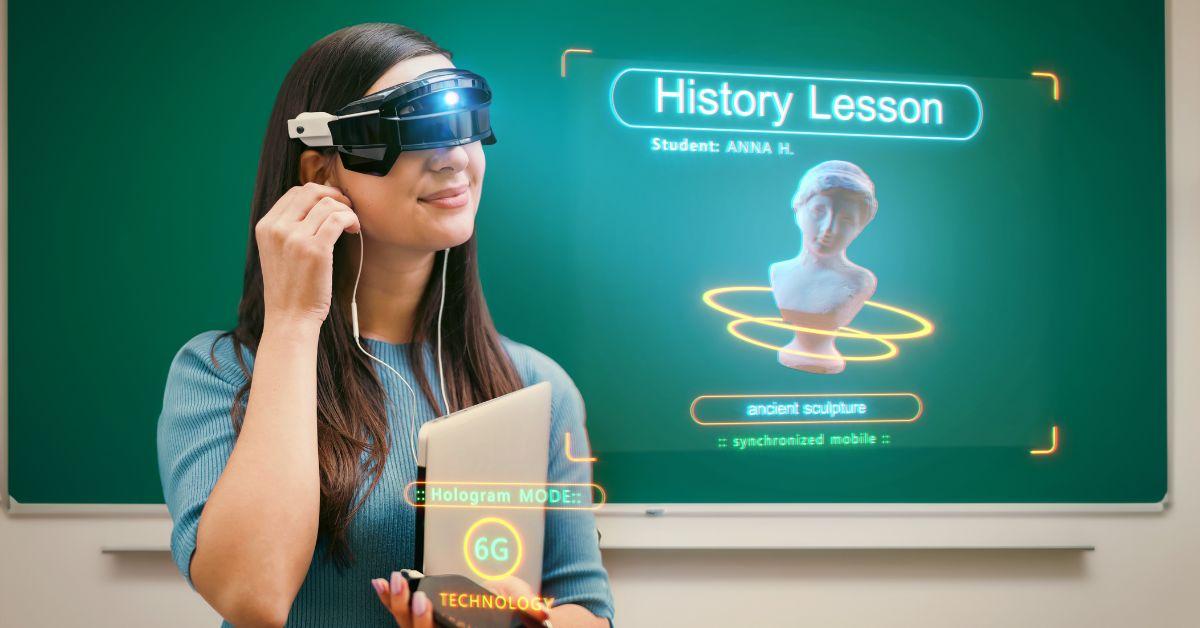
Unlocking EdTech Success: How to Train Teachers to Use VR/AR Tools Effectively
Virtual Reality (VR) and Augmented Reality (AR) are transforming educational experiences worldwide. But true EdTech success lies not just in procuring cutting-edge tech—it’s in empowering teachers to use VR/AR tools with confidence, creativity, and efficiency. In this extensive guide, we’ll break down practical strategies for training educators in VR/AR, highlight real-life case studies, and show how effective teacher training unlocks the full potential of immersive learning.
The New Frontier: Why VR and AR Matter in Education
Before exploring professional progress pathways,it’s critically important to understand why VR and AR in education are such game-changers:
- Enhanced engagement: Immersive experiences foster deeper student interest and curiosity.
- Experiential Learning: AR/VR simulates real-world scenarios, making abstract concepts tangible.
- Inclusivity: VR tools allow personalized learning for students with different abilities and learning styles.
- 21st-Century Skills: Students develop collaboration, critical thinking, and digital literacy.
Challenges Teachers Face With VR/AR Integration
Despite the promise,teachers face hurdles while implementing VR/AR tools:
- Lack of familiarity with new technologies
- Uncertainty about curriculum integration
- Limited technical support or infrastructure
- Time constraints for learning and lesson planning
Overcoming these challenges requires structured,ongoing teacher training for VR/AR use.
Effective Teacher Training for VR/AR: Step-by-Step Strategies
Unlocking EdTech success means going beyond simple demonstrations. Here’s how to structure professional development for AR and VR tools in education:
1. Assess Needs and Set clear Goals
- Survey teachers about their tech proficiency and attitudes toward VR/AR.
- Identify curriculum areas ripe for immersive learning enhancements.
- Set measurable objectives (e.g., “By semester’s end, 80% of staff can create a basic VR lesson.”)
2. Start With Hands-On, Interactive Workshops
- Offer in-person or virtual VR/AR training sessions that let educators experience immersive content as learners first.
- Encourage experimentation—mistakes are valuable!
- Combine short demos with open exploration time.
3. Provide Practical,Curriculum-Aligned examples
- Showcase lesson plans that use VR/AR for history,science,language arts,and more.
- Invite teachers who are early adopters to share success stories and tips.
- Offer templates and example scenarios to ease the lesson planning process.
4. Foster a Supportive Learning Community
- establish peer mentoring or “tech buddy” programs.
- Launch an online forum or Slack group for teachers to ask questions and share resources.
- Recognize and celebrate innovative uses of VR/AR in the classroom.
5.Integrate Ongoing Professional Development
- Offer microlearning modules,video tutorials,and webinars on new features as VR/AR platforms evolve.
- Facilitate regular Q&As with technical support and instructional design experts.
- Encourage continuous reflection and feedback to adapt training programs.
6. Ensure Tech Readiness and Accessibility
- Check Wi-Fi reliability, device compatibility, and charging/storage solutions before full rollout.
- Provide troubleshooting guides and real-time IT assistance during class implementations.
- Integrate training on digital citizenship and data privacy—critical for student safety in virtual spaces.
Practical Tips: Making VR/AR Training Stick
- Pilot with Enthusiasts: Identify tech-savvy teachers to lead small pilots. Their insights will enhance broader training efforts.
- Adopt “Train the Trainer” Models: Skilled teachers train peers, scaling expertise efficiently.
- Keep Sessions Short and Focused: Break learning into digestible bits to avoid overwhelm.
- Connect to Real Classroom Needs: Encourage teachers to design a single VR/AR lesson specific to their subject—then test and iterate.
- Celebrate Small Wins: Feature stories and classroom snapshots in newsletters or assemblies to build culture and curiosity.
- Solicit Regular Feedback: Use surveys or quick check-ins to continually improve training content and delivery.
Benefits of Effective VR/AR Teacher Training
Schools and districts that invest in comprehensive VR/AR professional development report:
- Increased Teacher Confidence: Educators feel empowered to try new tech without fear of failure.
- Higher Student Engagement: Lessons are more captivating and participatory.
- more Creative Lesson Design: Teachers blend traditional methods with immersive experiences seamlessly.
- Improved Learning Outcomes: students retain knowledge better through vivid, interactive simulations.
- Institutional Tech Leadership: Schools earn reputations as innovative, future-ready learning environments.
Real-World Case Studies: EdTech Success Stories
Case Study 1: A Middle School Revolutionizes Biology Lessons
At Parkview Middle School,science teachers participated in a semester-long VR training series. Starting with simple cell walkthroughs and growing into fully gamified “field trips” through the circulatory system, both teachers and students reported increased curiosity and better test scores. Ongoing coaching and shared lesson libraries helped the whole science department build VR expertise quickly.
Case study 2: AR Storytelling in an Elementary Classroom
Ms. Gonzalez, a Grade 3 teacher, was initially hesitant about using AR for language arts. After attending a hands-on workshop and collaborating with IT staff, she piloted an AR storybook unit.Students were able to visualize characters and settings, boosting both comprehension and creative writing scores. Ms. Gonzalez later became her district’s AR mentor, leading training for peers.
Case Study 3: district-wide “VR Champions” Initiative
The Jefferson School District launched a “VR Champions” cohort, selecting one educator per campus to receive advanced VR/AR tool training. These champions then trained colleagues and facilitated regular “VR Day” classroom collaborations. Over two years, VR use expanded from 10 pilot classrooms to nearly 80% district-wide, supported by ongoing PD and a thriving educator support network.
Firsthand Teacher Perspectives: What really Works?
- “It wasn’t until I tried the VR headset myself that I saw the possibilities for my history classes. Hands-on experience was essential.” – Mr.Carter, Social Studies Teacher
- “Having a tech coach beside me in the classroom the first few times made all the difference. I could focus on my students, not the buttons.” – Ms. Lee, Grade 5 Teacher
- “Ongoing micro-courses let me learn at my own pace. I never felt overwhelmed, and I always knew where to turn with questions.” – Ms. Singh, High School English Teacher
Best Practices for Enduring VR/AR success in Schools
- Make VR/AR professional development an annual fixture, not a one-off event.
- Encourage collaborative lesson-sharing and peer classroom visits.
- Align VR/AR use with district curriculum and assessment goals.
- Ensure equity—provide enough devices and support for all classrooms, not just early adopters.
- Promote a growth mindset—embrace experimentation, reflection, and iteration.
Conclusion: Investing in Teachers Leads to Lasting EdTech Impact
Unlocking EdTech success with VR/AR tools is less about technology itself and more about supporting the educators who bring it to life. When teachers receive hands-on, sustained, and thoughtfully-designed training, immersive learning transforms classrooms in ways textbooks never could.By investing in your staff, fostering collaboration, and celebrating incremental progress, your school or district can unlock the full potential of VR/AR in education—empowering both teachers and students to thrive in a future-ready world.
Ready to start your VR/AR teaching journey? Begin with a single workshop, empower your educators, and let innovation take root—one lesson at a time.