
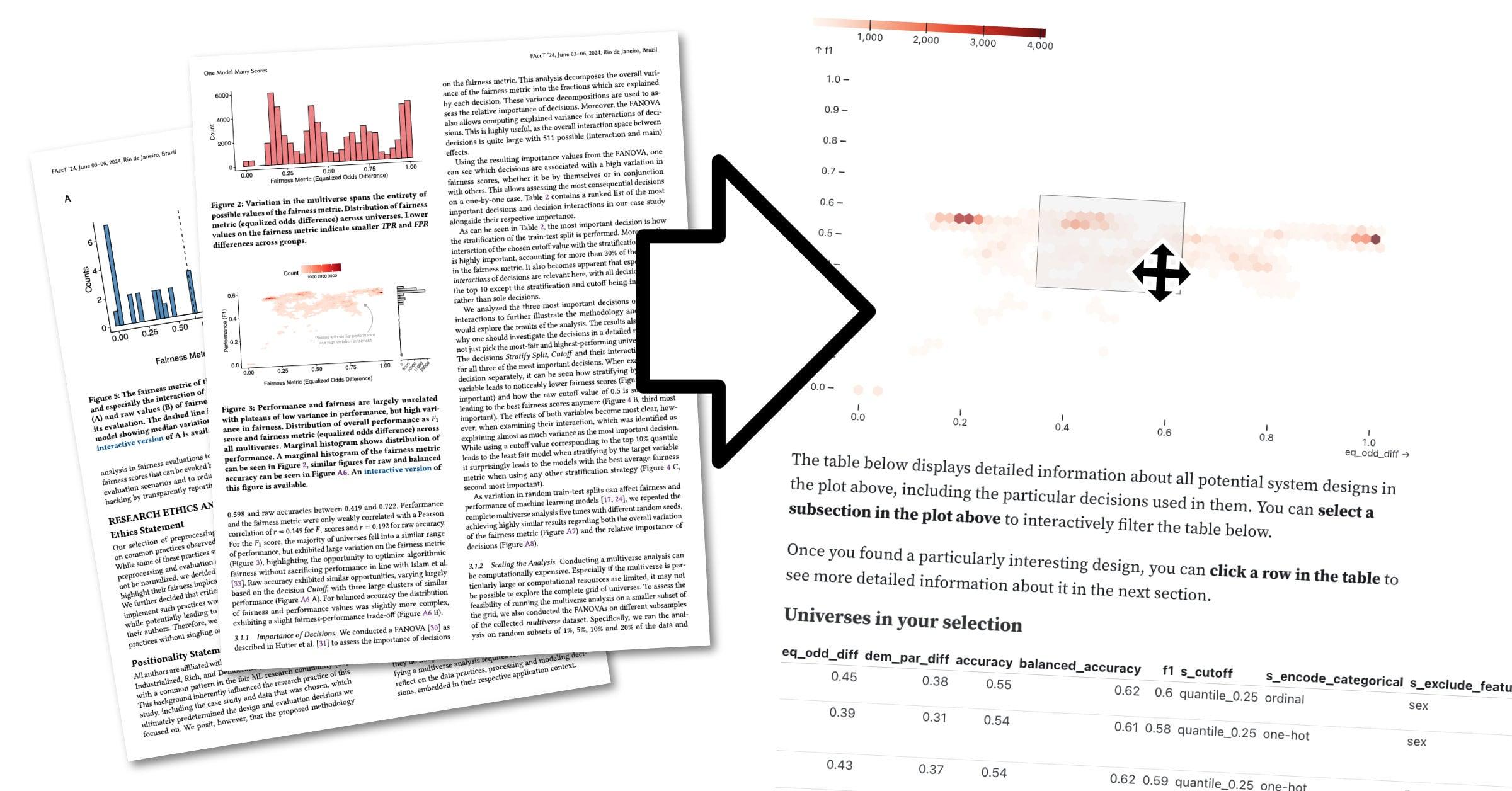
Unlocking EdTech success: The Role of a Data Visualisation Specialist in transforming education
As universities,colleges,and schools embrace the transformative power of education technology (EdTech),the demand for skilled professionals continues to rise. Among the most critical roles in shaping digital learning environments is that of the Data Visualisation Specialist. If your exploring career opportunities in EdTech,understanding this position’s impact can help you unlock rewarding possibilities and make a positive change in education.
Introduction to EdTech Careers: A New Era in Education
education technology is reshaping how institutions deliver learning, assess student performance, and implement data-driven decision making. Schools, universities, and colleges are increasingly investing in tools and talent to harness the value of data. As a result, EdTech jobs—from instructional designers to software developers and, notably, data visualisation specialists—are in high demand.
This article delves into the pivotal role of a Data Visualisation Specialist in modern education settings and provides actionable insights for job seekers looking to pursue this rewarding career path.
What Is a Data Visualisation Specialist?
A Data visualisation Specialist is a professional dedicated to transforming raw educational data into meaningful, visual insights. By leveraging sophisticated tools and methodologies, these specialists empower educators, administrators, and policymakers to make informed decisions that enhance teaching and learning outcomes.
- Key responsibilities:
- Designing and developing interactive dashboards for student performance, attendance, and engagement metrics.
- Collaborating with IT and academic teams to gather requirements and translate them into visual solutions.
- Ensuring data accuracy, privacy, and accessibility for all stakeholders.
- Supporting strategic planning through clear and impactful data stories.
Why Data Visualisation Matters in Education Technology
With massive data generated by learning management systems, classroom technologies, and online platforms, the need for professionals who can analyze and visualize this information is crucial. Data visualisation:
- Makes complex data understandable and actionable for non-technical staff.
- Highlights trends in student achievement, enabling timely interventions.
- Supports evidence-based curriculum improvements and resource allocation.
- Enhances accountability and transparency in education settings.
Effective data visualisation is at the core of EdTech success, bridging the gap between information and meaningful change in universities, colleges, and schools.
Essential Skills for Data Visualisation Specialists in Education
Employers in the academic sector seek data visualisation specialists who combine technical expertise with a deep understanding of pedagogy and institutional goals. If you’re considering a career in educational technology, focus on developing the following skills:
- Technical proficiency
- Experiance with visualisation tools such as Tableau, Power BI, D3.js, or Google Data Studio.
- Competence in data analysis with programming languages like Python or R.
- Understanding of database management systems (SQL, NoSQL).
- Educational insight
- Familiarity with the academic environment, student lifecycle, and learning management systems.
- Ability to contextualize data within curriculum and teaching practices.
- Dialog and storytelling
- Skill in presenting complex findings in user-friendly formats for various audiences.
- Strong collaboration skills for working with teachers, administrators, and tech teams.
- Attention to ethics and privacy
- Knowlege of data governance, FERPA, and other student privacy regulations.
- Commitment to responsible data usage.
Benefits of working as a Data Visualisation Specialist in EdTech
A career as a data visualisation specialist in education offers unique rewards and professional growth opportunities:
- Making a Difference: Help educators and administrators make impactful decisions that improve student outcomes.
- Career Growth: The rise of digital learning creates steady demand, offering job security and advancement prospects.
- Continuous Learning: Stay at the forefront of technology by working with cutting-edge tools and methodologies.
- Collaborative Environment: Work alongside educators, IT professionals, and policymakers to create positive institutional change.
- Diverse Opportunities: Apply your skills in K-12 schools,higher education,research centers,or EdTech companies partnering with academic institutions.
Practical Tips for Landing a Data Visualisation Job in Education Technology
If you’re passionate about combining technology, data analysis, and meaningful impact, here are actionable steps to help you launch or advance your career as a data visualisation specialist in universities, colleges, or schools:
- Build a strong foundation in technical skills.
- Enroll in online courses,workshops,or bootcamps focusing on data visualisation and analytics.
- Create a portfolio showcasing interactive dashboards or education-related data projects.
- Understand the educational landscape.
- Research current trends and challenges in digital learning, assessment, and institutional effectiveness.
- Network with educators and attend EdTech conferences to gain insights into real-world problems and solutions.
- Highlight your communication skills.
- Practice explaining technical concepts to non-specialists.
- Develop data stories that connect visual insights to actionable strategies for teachers and administrators.
- Stay up to date with data privacy regulations.
- Study guidelines relevant to your region, including student privacy and data protection standards.
- Tailor your application for EdTech employers.
- In your resume and cover letter, showcase your technical expertise, understanding of education, and eagerness to drive innovation.
- Highlight projects that demonstrate measurable impact in educational settings.
- Prepare for interviews with practical examples.
- Discuss past experiences where you solved challenges using data visualisation in schools or universities.
- Share presentations or dashboards you’ve developed—emphasizing clarity,accuracy,and educational relevance.
Examples of Data Visualisation Projects in Academic Institutions
To stand out in the competitive education technology job market, it helps to understand the variety of projects data visualisation specialists may undertake. Common examples include:
- Interactive dashboards tracking student retention and graduation rates.
- Visual reports analyzing curriculum effectiveness based on assessment data.
- Heat maps showing classroom participation and engagement trends.
- timelines illustrating the impact of strategic initiatives or interventions.
- Scorecards for benchmarking academic performance across departments or schools.
Creating or contributing to such projects can be a great way to demonstrate your value to potential employers in education technology.
Future Trends: Data Visualisation in EdTech
The future of EdTech careers will increasingly rely on data-driven insights. Here are some trends shaping the data visualisation role:
- Artificial Intelligence and Predictive Analytics: Integration of AI to forecast student success and proactively address challenges.
- Personalized Learning: Use of visualisation to tailor educational experiences to individual learners.
- Mobile and Cloud-Based Solutions: Tools allowing real-time access to visual reports on any device.
- Greater Emphasis on Data Ethics: Increasing scrutiny on student data privacy and responsible reporting.
Job seekers should stay informed and adaptable to remain competitive in this dynamic field.
Conclusion: Transforming Education with Data Visualisation Specialists
As schools, colleges, and universities continue to unlock the potential of education technology, the role of the data visualisation specialist only grows more vital. By translating raw data into actionable insights, these professionals empower educators to create more effective, equitable, and engaging learning environments.
If you’re seeking a purposeful career in EdTech, developing skills in data visualisation can set you on a path to making a real difference. With a blend of technical expertise, educational insight, and communication acumen, you’ll be well-positioned to drive innovation in the academic world and help institutions thrive in an increasingly data-driven era.
Ready to unlock your future in EdTech? Start building your toolkit, connecting with educational professionals, and exploring job openings that value your skills as a data visualisation specialist. The next chapter in education is waiting for your unique contribution.