
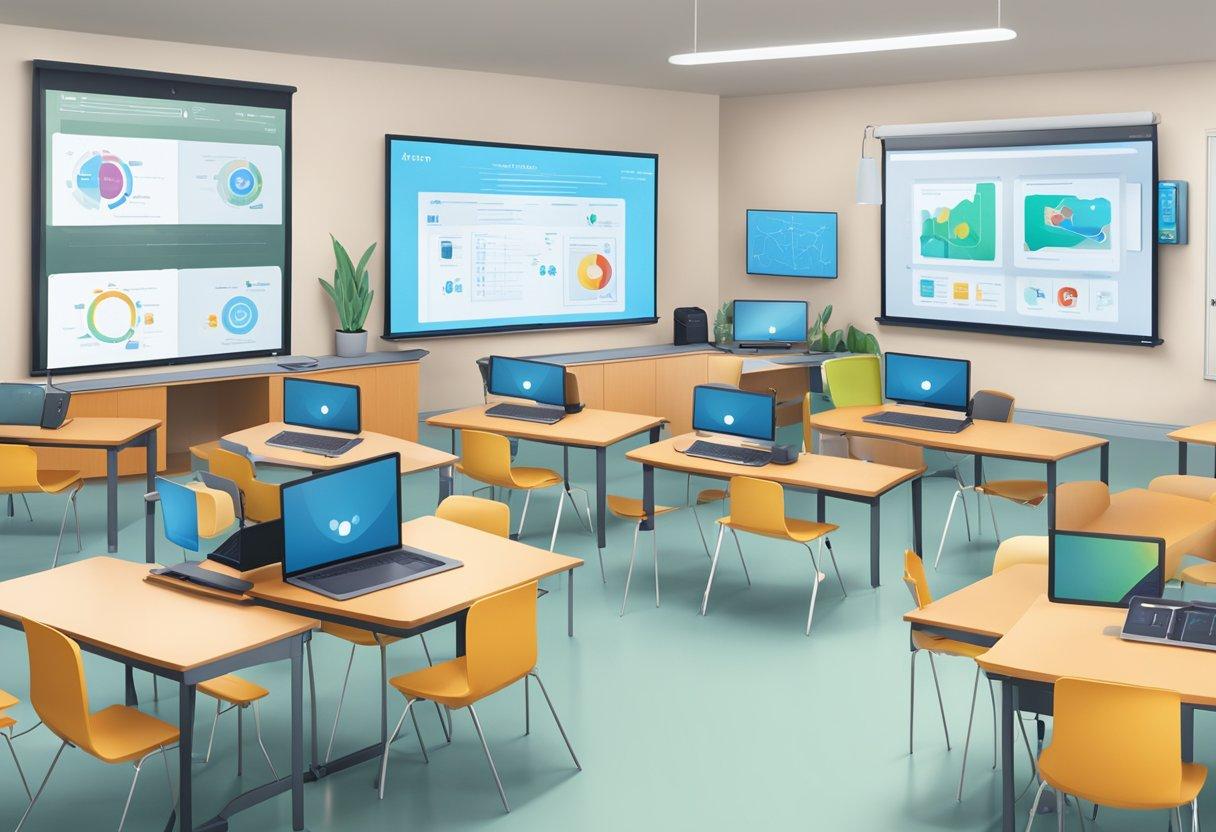
Unlocking Education for All: The Future of Accessibility in EdTech
Introduction
In today’s rapidly evolving digital landscape, educational technology (EdTech) holds unparalleled potential to reshape learning experiences for millions worldwide. The pursuit of accessible education for all is more than a noble vision—it’s a necessity in creating equitable opportunities and dismantling barriers to learning. This extensive article explores how EdTech innovations are leading the charge in unlocking education for all, dives into cutting-edge solutions, showcases prosperous implementations, and provides actionable tips for educators, administrators, and technologists.
Why Accessibility in EdTech Matters
Accessibility in education refers to designing learning environments and resources that are usable by everyone, nonetheless of their abilities, linguistic background, location, or socioeconomic status. Accessible EdTech solutions ensure that learners with physical, cognitive, auditory, or visual limitations recieve personalized support. The real power of technology lies in its ability to bridge gaps—connecting learners everywhere to quality resources.
- Social Equity: Ensures fair learning opportunities regardless of background.
- Legal Mandates: Compliance with laws such as the ADA (Americans with Disabilities Act) and Section 508.
- Enhanced Engagement: Inclusive tools foster greater participation and motivation among diverse learners.
- Scalability: Technology can reach remote and marginalized communities beyond physical barriers.
The state of Accessibility in Modern EdTech
EdTech companies and educational institutions are ramping up efforts to create accessible digital learning platforms. Yet, challenges persist. Frequently enough, platforms are not designed with universal usability in mind.Unlocking education for all demands a shift from afterthought accessibility modifications to a ‘born accessible’ approach—embedding inclusivity from day one.
Challenges Facing Accessible edtech
- Inconsistent Standards: Varying guidelines and benchmarks create confusion for developers.
- Resource Constraints: Smaller schools and startups struggle to prioritize accessibility amid financial limitations.
- Limited Awareness: Educators and administrators may lack expertise in assessing and implementing accessible technology.
Breakthroughs and Trends
- AI & Machine learning: Adaptive algorithms customize content for individual learning needs.
- Speech Recognition & Text-to-Speech: Supports learners with reading and writing difficulties.
- Mobile Learning Apps: Bring education to remote regions via smartphones and tablets.
- Multimodal Learning: Integrates visual, audio, and tactile resources for diverse learning preferences.
- Cloud-Based Solutions: Enable real-time collaboration, feedback, and resource sharing from anywhere.
Key Benefits of Accessible EdTech Platforms
- Student-Centered Experiences: Customizable interfaces ensure content is understandable to every learner.
- Global Reach: Digital resources transcend geographical boundaries.
- cost Efficiency: Open educational resources (OERs) and free tools reduce financial barriers.
- Continuous Improvement: Real-time data collection enables platforms to adapt and improve accessibility features.
- Empowering Educators: Comprehensive accessibility toolkits help instructors optimize their courses for all students.
Practical Strategies for Unlocking Accessibility in EdTech
1. Design With Universal Access in Mind
adopt Universal Design for Learning (UDL) principles. UDL promotes flexible, adaptable curricular materials and teaching methods that suit every learner’s needs.
- Use high-contrast visuals and readable fonts.
- Support screen readers and keyboard navigation.
- Offer text alternatives for images and videos.
- Incorporate multilingual support.
- Integrate clear, intuitive navigation structures.
2. Involve stakeholders Early
Engage learners with disabilities, educators, and parents in design and testing phases for direct feedback and improvement.
3. Leverage Open Educational Resources (OER)
Highlight free, high-quality educational content to remove cost barriers.OER Commons and similar platforms are excellent starting points.
4. Provide Ongoing Training
Regular professional development for teachers and technical staff builds expertise in accessibility best practices and tool integration.
5. Monitor, Measure, and Refine
Use a combination of analytics and direct feedback to identify pain points and opportunities for improvement.
Case Studies: Real-World EdTech Accessibility Successes
Case Study 1: Microsoft Immersive Reader
Microsoft’s Immersive Reader tool exemplifies powerful accessibility in EdTech. Built into products like OneNote and microsoft Teams, it helps students of all abilities decode text, change font size, highlight grammar, and use read-aloud functions—enabling millions of teachers and learners globally.
Case Study 2: Khan Academy
Khan Academy’s platform leverages adaptive learning, closed captioning, and simplified navigation to serve students from various backgrounds and with different learning needs. Their commitment to free,accessible education attracts users worldwide.
Case Study 3: Edraak’s Arabic MOOCs
Recognizing the lack of Arabic educational content, Edraak launched massive open online courses (MOOCs) designed for Arabic-speaking learners, integrating subtitles, transcripts, and optimized mobile access, expanding education reach across the Middle East and North Africa.
First-Hand Experience: transforming Learning Through accessibility
As an educator using accessible EdTech tools in a diverse classroom, the impact becomes instantly apparent. One student with dyslexia flourished with text-to-speech reading assistance,while another who spoke limited english benefited from built-in language translation features. Remote learners joined real-time classes via cloud-based platforms, collaborating meaningfully with peers worldwide. The future of accessibility in EdTech is more than theoretical—it’s an urgent reality improving lives every day.
The Future of Accessibility in EdTech
What’s ahead for accessibility in education? Innovations—driven by artificial intelligence, augmented reality, and next-generation analytics—will further personalize learning, break down physical and cultural barriers, and empower teachers to address unique learner needs.
Key Predictions:
- Hyper-Personalized Learning: AI will analyze student performance and adapt materials in real time.
- Immersive technology: AR/VR will bring experiential, hands-on lessons to all learners, including those with disabilities.
- Global Open-Source collaboration: greater sharing of best practices and tools across continents.
- Legislation & advocacy: Stricter global standards for accessibility will promote universal change.
Conclusion
Unlocking education for all through accessible EdTech is a transformative journey, not just for learners with disabilities but for everyone seeking a fair and inclusive future. As EdTech companies, institutions, and policymakers work together, the possibilities are endless—rich, diverse teaching experiences, equitable access, and empowered learners. Now is the time to prioritize accessibility, leverage innovative solutions, and become champions of change. The future of education depends on it.