
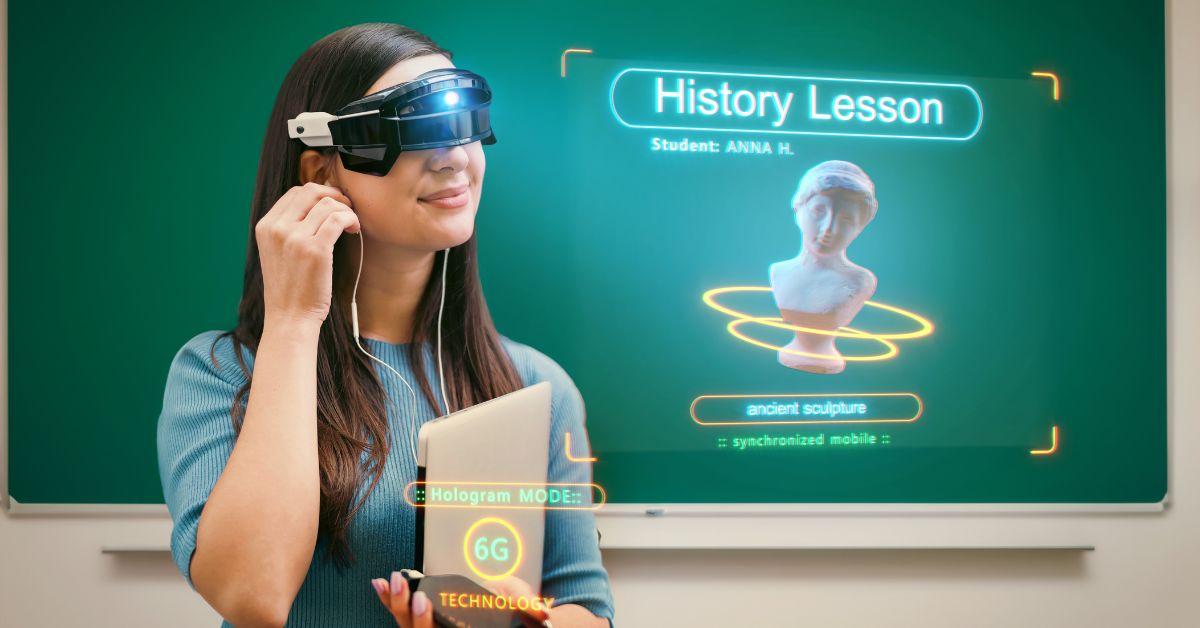
Unlocking Education’s future: How VR & AR Drive Immersive Learning in modern Classrooms
The rapidly evolving landscape of educational technology is unlocking new possibilities for teachers and students alike. Virtual Reality (VR) and Augmented Reality (AR) are at the forefront of this revolution, enhancing immersive learning experiences and transforming conventional classrooms into dynamic, interactive environments. In this article, we’ll explore how VR & AR technologies are shaping the future of education, the core benefits they offer, and practical insights for triumphant integration into modern classrooms.
What Are VR and AR in Education?
Virtual Reality (VR) and Augmented Reality (AR) are immersive technologies that bridge the gap between physical and digital learning environments. VR creates a fully simulated environment users can explore, often requiring headsets, while AR overlays digital content onto the real world using devices such as tablets or smartphones.
- VR in education: Enables students to dive into 3D worlds — from exploring the pyramids of Egypt to traveling inside a human cell.
- AR in classrooms: Projects interactive models or facts onto classroom materials, allowing students to visualize complex concepts in real-time.
Both VR and AR are driving a shift from passive reception to active participation — a key factor in boosting student engagement and learning retention.
Why Immersive learning Matters: Key Benefits of VR & AR in Modern Classrooms
- Enhanced Engagement: Interactive 3D environments capture students’ attention and spark curiosity.
- Improved Knowledge Retention: Studies reveal that learning by doing in virtual spaces increases retention by up to 75% compared to traditional lectures.
- Personalized Learning: VR & AR technologies adapt to diverse learning styles and paces.
- Safe Experimentation: Students can make mistakes and learn from them without real-world consequences — especially useful in science labs or hazardous scenarios.
- equitable Access: Immersive technologies can bring rare or expensive experiences (like museum visits or field trips) to students regardless of geographical or financial limitations.
Beyond boosting excitement, immersive learning tools foster a deeper, more meaningful connection to new knowledge, helping educators overcome traditional learning barriers.
Popular applications: VR & AR Use Cases in Education
- Virtual Field Trips: Platforms like Google Expeditions allow students to explore the Great Barrier Reef or the surface of Mars from their desks.
- Interactive Science Simulations: Virtual science labs let students conduct chemistry experiments risk-free.
- History & Social Studies: Walk through ancient civilizations and observe historical events in real time.
- Language Learning: Immersive dialogues with virtual native speakers simulate real-life conversations and cultural exchanges.
- Medical Training: Medical students use VR to practice complex surgeries or AR for interactive anatomy lessons.
The versatility of AR and VR in education makes them suitable across a wide range of subjects, catering to both K-12 and higher education.
Case Studies: Real-World Impact of VR & AR in the Classroom
Case Study 1: Franklin High School’s Immersive History Lessons
With the integration of VR headsets, Franklin High’s history department launched a program where students could experiance simulations of historical landmarks such as the Colosseum and the Great Wall of China. Teachers reported a 40% increase in student engagement and a marked improvement in retention of historical facts.
Case Study 2: AR-Driven STEM at riverside Elementary
using tablets and AR apps, riverside Elementary’s science curriculum allowed students to interact with virtual DNA molecules and solar systems projected onto their desks. Students reported that AR “made hard science topics much easier and fun to understand,” while standardized test scores saw an uptick.
Case Study 3: Medical Training at TechU
TechU adopted VR platforms for surgical training, letting students perform simulated procedures with haptic feedback. The immersive model led to greater confidence among trainees, accelerating their transition to hands-on residencies.
First-Hand Experiences: Students and Teachers Speak
“Using AR to study cell biology turned memorizing diagrams into a 3D experience — I could literally walk around a mitochondrion and see how it works!”
— Emily, Grade 10 Student
“VR has been a game changer for my classroom. My students are more eager to participate, and struggling learners finally have a tool that matches their learning style.”
— Mr. Carter,Middle School Science Teacher
Practical Tips for Integrating VR & AR in the Classroom
- Start Small: Pilot a single AR or VR request and gather student feedback before scaling up.
- Leverage Free Resources: Many platforms offer free or low-cost educational VR/AR experiences, such as Google Expeditions, Merge Cube, and CoSpaces Edu.
- Train Educators: Provide professional advancement to ensure teachers feel confident and creative when using these tools.
- Ensure Accessibility: Rotate limited numbers of devices or consider browser-based AR apps on existing school tablets and smartphones.
- Encourage Collaboration: Use immersive tech in group projects to foster teamwork and dialogue.
- monitor & Reflect: Assess learning outcomes and adjust approaches to maximize impact.
Addressing Challenges: What Schools Should Consider
While VR and AR have transformative potential, thoughtful integration is key. Consider these factors:
- Cost & Infrastructure: Budget for devices, maintenance, and software licenses. Start with scalable, classroom-pleasant solutions.
- Equity & Inclusion: Ensure all students, regardless of ability or economic background, can participate fully.
- Content Quality: Choose reputable apps aligned with curriculum goals and age-appropriateness.
- Physical Well-being: use VR in moderation to avoid eye strain or fatigue, especially with younger learners.
Proactive planning and continuous evaluation will help schools unlock the full potential of immersive learning.
Conclusion: Preparing for the Future of Learning
As educational technology evolves, immersive experiences powered by VR and AR will continue to reshape how students learn, explore, and connect with the world. These innovative tools are not just enhancing engagement and retention — they are leveling the playing field and preparing learners for a future driven by digital skills.
By embracing VR and AR in the classroom, educators can unlock new realms of possibility, ensuring every student is equipped for the challenges and opportunities of tomorrow.Now is the time to invest in immersive learning, foster creativity, and truly unlock education’s future.