
Unlocking Employee Potential: How Microlearning Transforms Corporate Training Programs
In the ever-evolving landscape of corporate learning and development, organizations are constantly seeking innovative strategies to unlock employee potential and drive business growth. Microlearning has emerged as a game-changing approach within corporate training programs, offering bite-sized, focused, and engaging learning experiences that align perfectly with the modern workforce’s needs. In this in-depth article, we’ll explore how microlearning transforms corporate training, discuss its benefits, offer practical implementation tips, and present compelling case studies underscoring its effectiveness.
What is Microlearning in Corporate Training?
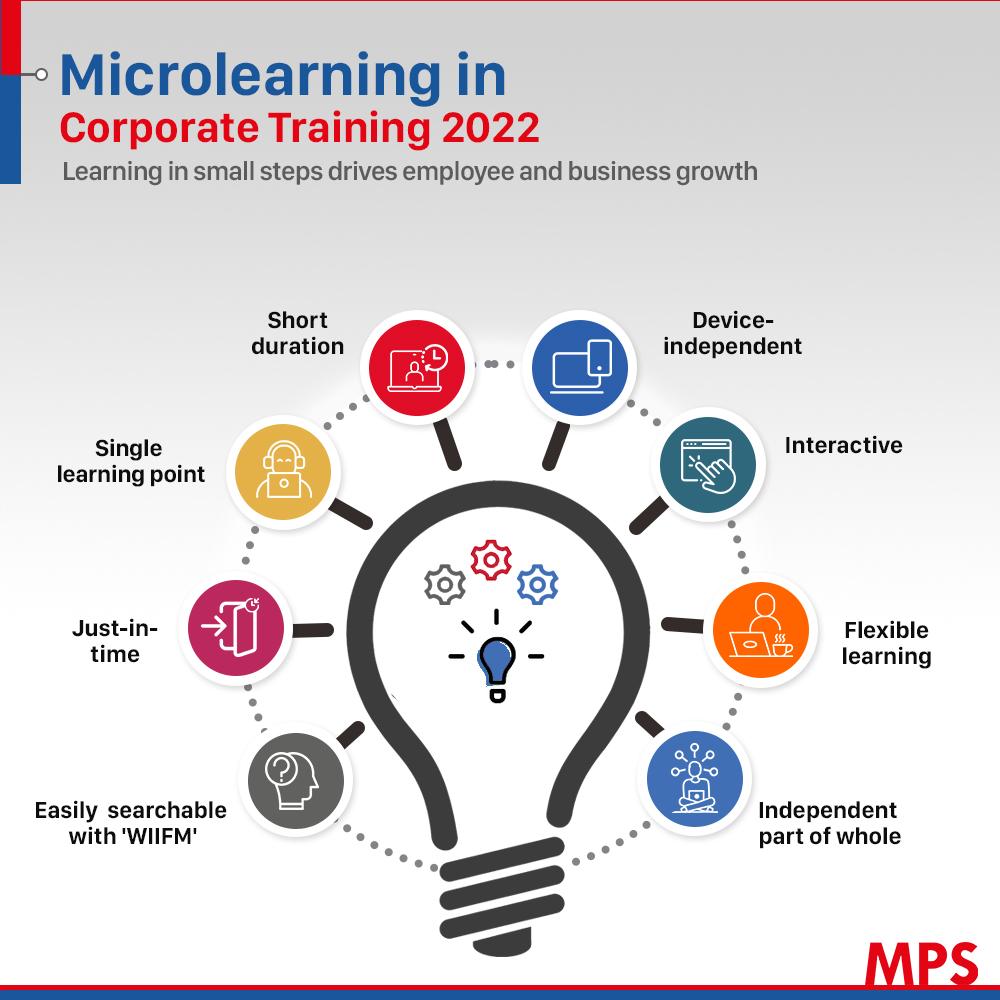
Microlearning is a training method that delivers content in small, easily digestible segments, typically lasting between 3 to 10 minutes. Unlike traditional lengthy courses, microlearning distinguishes itself with highly targeted modules that focus on key concepts or skills. These learning bursts can be accessed on-demand, making it ideal for busy professionals who crave adaptability in their development journey.
- Format: Videos, infographics, quizzes, podcasts, simulations, flashcards, and more.
- Delivery: Mobile devices, desktop platforms, or learning management systems (LMS).
- Purpose: Reinforce concepts, provide just-in-time training, and promote continuous learning.
Why Microlearning? The Shift from Traditional Corporate Training
Traditional employee training programs often involve lengthy sessions, bulky manuals, and time-intensive seminars, which can result in cognitive overload, low engagement, and poor retention.With the rise of digital technologies and changes in workplace culture, organizations now recognize the value of flexible, employee-centric learning solutions.
Key Drivers for Adopting Microlearning:
- Short Attention Spans: Today’s workforce thrives on concise and focused facts.
- On-Demand Learning: Microlearning modules are accessible anytime, empowering employees to learn at their own pace.
- Mobile-Frist Workforce: With remote and hybrid work models, employees need mobile-compatible training solutions.
- Faster Skill Acquisition: Microlearning enables just-in-time training for specific tasks or challenges.
The Unbelievable Benefits of Microlearning in Corporate Training
By integrating microlearning into your corporate training programs, organizations stand to unlock remarkable benefits that lead to measurable results.
1. Improved Knowledge Retention
Microlearning leverages cognitive science principles like spaced repetition and active recall, helping employees retain information for longer periods compared to traditional methods.
2. Enhanced employee Engagement
Short, interactive modules keep learners engaged and motivated, reducing training fatigue and boosting participation rates.
3. Flexibility and Accessibility
Employees can access courses from any device, at any time, which supports varied learning preferences and eliminates geographical barriers.
4. cost-Effectiveness
Delivering microlearning content requires fewer resources and less time, resulting in significant cost savings for companies, especially when scaling training across a large workforce.
5. Supports Continuous learning Culture
Ongoing access to bite-sized learning encourages a culture of self-directed professional growth and knowledge sharing within teams.
How Microlearning Unlocks Employee Potential
Microlearning isn’t just about convenience—it’s about empowering employees to reach their full potential. Here’s how:
- Rapid Upskilling: Employees quickly acquire new skills, boosting their confidence and capability.
- Personalized Learning Paths: Tailored content allows individuals to focus on their unique development needs.
- Immediate Submission: Short modules make it easy to apply new knowledge and skills to real-world tasks.
- Peer-to-Peer Learning: Microlearning promotes collaborative learning through user-generated content and knowledge-sharing forums.
“With microlearning, our team members gained targeted skills 50% faster, resulting in improved job performance and greater job satisfaction.” – HR Manager, Leading Tech Company
Practical Tips for Implementing Microlearning in Corporate Training Programs
Ready to launch a microlearning initiative in your workplace? Here are actionable tips to maximize its impact:
- Identify Learning Objectives: Break down complex topics into discrete, outcome-based learning goals.
- Create High-Quality Content: Use a mix of videos, quizzes, and interactive tools to cater to diverse learning styles.
- Leverage Technology: Integrate microlearning modules into your corporate LMS or mobile learning platform.
- Encourage Micro-Assessments: Incorporate mini-assessments to reinforce retention and track progress.
- Promote Self-paced Learning: Allow employees to choose when and how they consume content, increasing autonomy.
- Gather Regular Feedback: Continuously optimize your microlearning strategy based on employee feedback and performance data.
Case Studies: Microlearning Success Stories
1. Retail Giant Accelerates Customer Service Training
A global retailer implemented microlearning to improve customer service skills across 10,000+ employees. With 5-minute video modules and quick simulations, employees completed training 40% faster and reported a 30% increase in customer satisfaction scores.
2. Financial Services Company Reduces Compliance Violations
Facing frequent compliance lapses, a financial firm replaced yearly seminars with ongoing microlearning courses.regular, interactive lessons resulted in a 60% reduction in violations and improved employee confidence in regulatory topics.
3. Technology Firm Boosts Product Knowledge for sales Teams
To keep pace with rapid product updates, a tech company rolled out microlearning modules for their sales force. This agile training approach enabled reps to master new features on the go, resulting in a 25% lift in sales.
Best Practices for Sustainable Microlearning Programs
- Keep Content Bite-Sized: Limit modules to a single learning objective to avoid overwhelming employees.
- Make It Interactive: Use quizzes, gamification, and role-plays to drive active learning.
- Update Content Frequently: Monitor trends and refresh modules to keep content relevant and engaging.
- Integrate with Workflows: Allow employees to access microlearning resources within their daily tools and platforms for seamless learning.
- Align With Business Goals: Ensure each module supports key organizational objectives and competency requirements.
Conclusion: Embrace Microlearning to Future-Proof Your Workforce
Unlocking employee potential in the digital age demands a forward-thinking approach to corporate training. microlearning breathes new life into learning initiatives by making training accessible, flexible, and highly effective. By capitalizing on the advantages of microlearning, organizations can foster a skilled, agile, and motivated workforce ready to tackle today’s and tomorrow’s challenges.
Take the first step in transforming your corporate training program—embrace microlearning, and watch your employees thrive!