
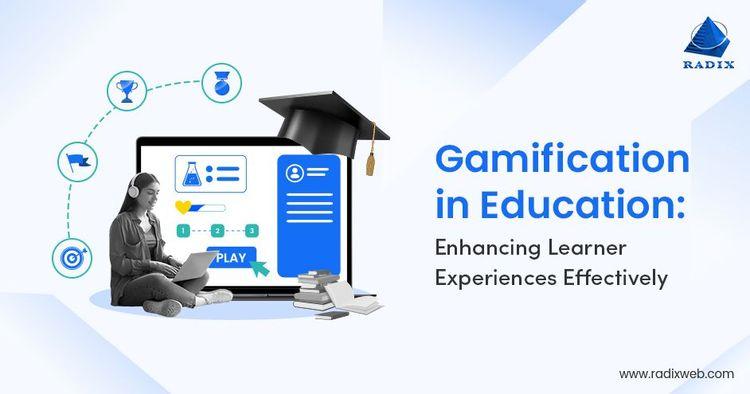
unlocking Engagement: How Integrating Gamification into Standard Curricula Enhances Learning
Gamification in education is revolutionizing how students engage with learning content in the classroom. By incorporating game elements into traditional curricula, educators can capture students’ interest, boost motivation, foster deeper understanding, and improve both participation and academic achievement. In this comprehensive guide, we’ll explore what gamification is, why it works, its benefits, practical implementation tips, real-world case studies, and actionable steps for teachers.
What is Gamification in Education?
gamification, in the context of education, refers to the integration of game-like mechanics—such as points, badges, leaderboards, and quests—into non-game environments like school curricula. The goal is not just to make lessons “fun”, but to enhance engagement, motivation, and knowledge retention by leveraging the psychology behind games.
- Game Elements: Points, rewards, levels, badges, leaderboards, challenges, feedback loops
- Educational Outcomes: Increased engagement, motivation, collaboration, and improved learning performance
- Purpose: To create an active learning journey that continuously excites and challenges students
Incorporating gamification into standard curricula is much more than adding games; it’s about transforming learning experiences through innovative engagement strategies.
Why Gamification Enhances Learning Engagement
Studies and practical experience have shown that gamification engages students on multiple levels.Here’s why it works so effectively:
1. Motivation and Encouragement
- Intrinsic Motivation: Game elements like badges and levels tap into a student’s innate desire for achievement.
- Extrinsic Motivation: Seeing their progress recognized promotes further effort and completion of tasks.
2. Instant Feedback and Progress Tracking
- Immediate Results: Students see their learning progress instantly, reinforcing positive behaviors.
- Clear Goals: Defined objectives make it easier to stay focused and understand expectations.
3. Social Interaction and Collaboration
- Healthy Competition: Leaderboards encourage peer-to-peer motivation.
- Teamwork: Group quests improve interaction and collaborative skills.
4. Personalization and Differentiation
- Adaptive difficulty: game mechanics can be adjusted to match individual student needs.
- Variety of Paths: Choice in assignments and quests caters to different learning styles.
Key Benefits of Integrating Gamification into Standard Curricula
Implementing gamification delivers tangible improvements in student engagement and educational outcomes.Here’s a closer look at the key benefits:
- higher Student Engagement: Lessons are more interactive and enjoyable, increasing participation rates.
- Boosted Knowledge Retention: Active problem-solving and repetition through gamified tasks enhance memory and understanding.
- Improved Classroom Behaviour: Recognition and rewards for accomplishments encourage positive behavior and classroom management.
- Encouragement of Critical Thinking: Many game-based activities prompt students to analyze, strategize, and make informed decisions.
- Progress of Soft Skills: Team-based games help improve communication, leadership, and empathy.
- Real-Time Assessment: Teachers can track progress, identify learning gaps, and personalize instruction in real-time.
A 2019 study published in the International Journal of Educational Technology in Higher Education found that students exposed to gamified curricula showed considerably higher engagement and learning performance compared to traditional classrooms.
Practical Tips: How to Integrate Gamification in the Classroom
Ready to start integrating gamification into yoru curriculum? Here are some practical,actionable steps for teachers and administrators:
- Set Clear Learning Objectives – Align gamified activities with curriculum goals and desired outcomes.
- Start Small – Begin with a single lesson or unit before scaling up to the entire curriculum.
- Choose the Right Game Elements – Select game mechanics that match your students’ age, skills, and interests (e.g., point systems, leaderboards, quests).
- Incorporate Variety – Use a mix of digital tools (like Kahoot!, Quizizz, Classcraft) and non-digital strategies (like classroom challenges or scavenger hunts).
- Provide Immediate Feedback – Offer real-time progress updates using digital badges or progress bars.
- encourage Collaboration – Design group quests or projects that require teamwork.
- Gather Student Feedback – Regularly ask for input to improve the gamification experience and address student needs.
WordPress Tip: Many learning management plugins and educational themes support gamification features that seamlessly integrate with your existing course setup. Explore plugins like BadgeOS or myCred for badge and point management.
Case Studies: Gamification in Action
Real-world case studies highlight the impact of gamification on student learning:
Case Study 1: Elementary School math – “Math Quest”
At a primary school in Texas, teachers transformed math lessons into a semester-long “Math Quest”. Students formed teams, completed daily challenges, earned badges, and unlocked “power-ups” for additional help on tough problems. Results: Engagement soared by 35% and math test scores improved by 18% compared to the previous year.
Case Study 2: High School history – Digital Badges
A high school history department used BadgeOS to create a digital badge system for mastering past eras. Students could choose their learning paths and earn rewards. Results: Students were more motivated to complete optional assignments and there was a notable increase in assignment submission rates and discussion participation.
Case Study 3: University Level – Gamified Quizzes and Leaderboards
A large Midwest university incorporated gamified quizzes using Kahoot! into their introductory psychology courses. Leaderboards tracked student progress and top performers were recognized weekly. Results: Attendance rates increased, and students reported deeper comprehension of course materials and increased enjoyment in learning.
First-Hand Teacher Experience: Voices from the Classroom
Teachers who have integrated gamification into their standard curricula share their thoughts:
“Using gamification has transformed my classroom. Students are excited to participate,and they collaborate much more willingly.I’ve noticed quieter students are joining in and gaining confidence through team challenges.” – Mrs. Lopez, 5th Grade Teacher
“the badge system made it easy for students to track their learning. Parents reported their children talk about school with renewed enthusiasm!” – Mr. Bennett, Secondary History Teacher
Challenges and Solutions in Gamifying Curriculum
Despite its benefits, implementing gamification comes with challenges:
- Time Constraints: Start small and build up. Reuse successful activities in multiple subjects.
- Resource Limitations: Low-tech strategies (like point cards, paper badges) can be as effective as digital tools.
- Balancing Competition: Focus on personal bests and teamwork to avoid stress caused by excessive competition.
- Inclusivity: Ensure game design considers all learning levels and provides multiple ways to succeed.
Conclusion: Gamification Unlocks the Door to Engaged Learning
Integrating gamification into standard curricula isn’t just a passing trend—it’s a proven educational strategy that reignites student curiosity,participation,and achievement. By adopting gamified practices, educators create learning environments where students feel empowered, motivated, and eager to tackle new challenges.
Whether you teach elementary, secondary, or higher education, start small, select meaningful game elements, measure your success, and refine your approach.The ultimate reward? A lively, interactive classroom where student engagement and learning outcomes reach new heights.
Ready to transform your teaching? Explore gamification tools and strategies today, and watch your learners thrive!