
Unlocking Engagement: How to Integrate Gamification into Standard Curricula for Effective Learning
In today’s fast-paced educational landscape, keeping students focused and motivated is one of the biggest challenges teachers face. The rise of technology has opened new doors for student engagement through gamification in education. By seamlessly blending game elements such as points, badges, and leaderboards with everyday lessons, educators can transform standard curricula into immersive learning experiences. This guide will outline the benefits of gamification, practical ways to integrate it into your teaching, and real-world success stories that demonstrate its positive impact on student engagement and achievement.
What is Gamification in Education?
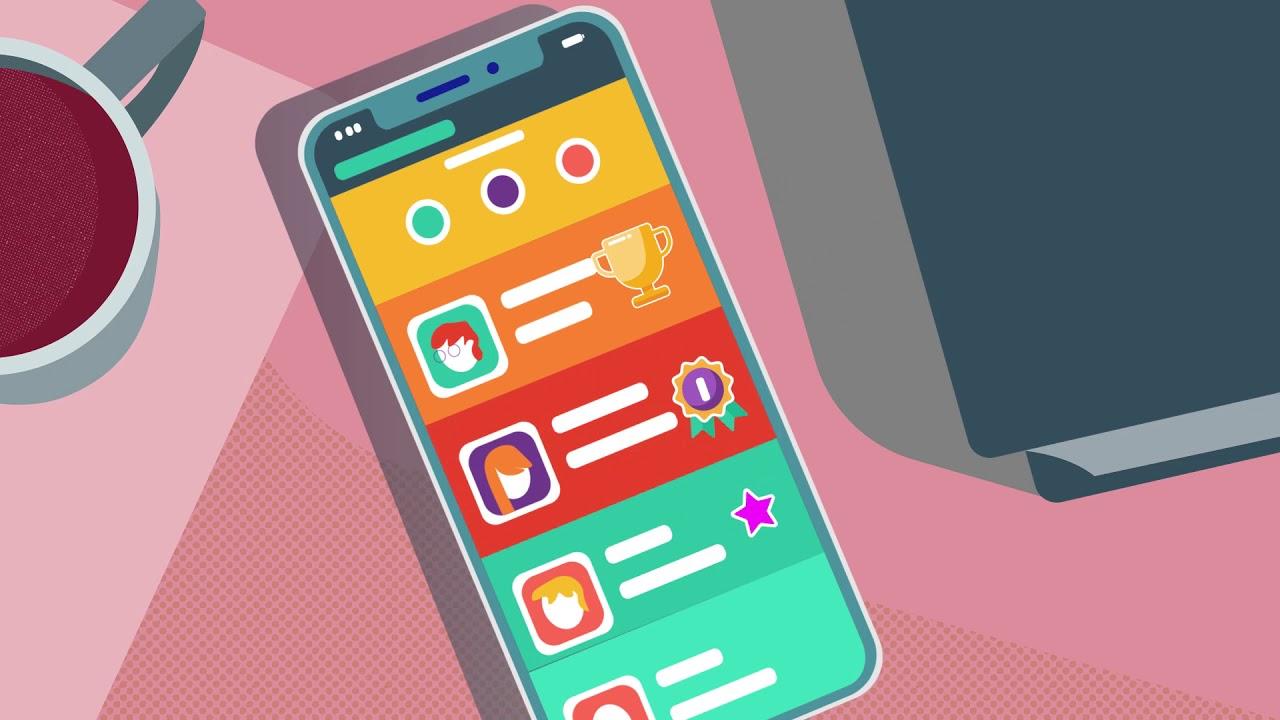
Gamification refers to the use of game design elements in non-game contexts. In education, it means applying these techniques to classroom activities and curricula to create a more interactive and engaging environment. Typical game elements include:
- Points: Rewarding students for completing tasks
- Badges: Symbols for achievement and progress
- Leaderboards: Displaying top performers to spark healthy competition
- Quests/Missions: Assigning objectives students must complete
- feedback Loops: Providing instant feedback and opportunities to improve
Why Integrating Gamification into Standard Curricula Matters
integrating gamification into standard curricula is not just a trend; it’s a powerful strategy that’s backed by research. when gamification is thoughtfully implemented, students experience increased motivation, deeper learning, and improved retention rates. Let’s take a closer look at how gamification impacts effective learning:
- Boosts Engagement: Game elements make lessons more compelling and enjoyable, capturing student attention and increasing participation.
- Promotes Active Learning: Gamified activities frequently enough require problem-solving, collaboration, and exploration.
- Encourages Mastery: Students can repeat tasks or challenges until they achieve proficiency, supporting mastery-based learning.
- Enhances Feedback Mechanisms: Immediate feedback helps learners quickly identify and correct mistakes.
- Cultivates a Growth Mindset: Levels, badges, and progression nurture a sense of accomplishment and encourage persistence.
Benefits of Gamification in Learning
- Increased Motivation: Earning rewards, unlocking new levels, and beating challenges keeps students motivated to learn.
- Improved Collaboration: Team-based competitions help develop social skills and teamwork.
- Personalized Learning Paths: Students can progress at their own pace, catering to different learning styles and abilities.
- Enhanced Knowledge Retention: Interactive games and simulations aid in reinforcing key concepts and improving memory.
- Real-Time Assessment: Teachers can track progress through leaderboards and digital dashboards, providing targeted interventions.
How to Integrate Gamification into Standard Curricula: Practical Tips
Ready to add gamification in your classroom? Here are actionable strategies to help you begin, irrespective of grade level or subject:
1. Start Small with Game-Based Elements
- Use digital tools like Kahoot!, Quizizz, or Classcraft for quizzes and review sessions.
- Introduce classroom currency, badges, or points for participation and homework completion.
- Set up periodic challenges or contests related to curriculum topics.
2. Design Quests and Missions Aligned with Learning Outcomes
- Create a storyline that runs through your unit, with each lesson or activity representing a “mission” or “level”.
- Ensure every quest links directly to key learning objectives and required standards.
- Provide options for different paths or approaches to foster student choice.
3. Utilize Technology for Gamification
- Incorporate educational platforms like Minecraft: Education Edition or DuoLingo for coding,language learning,and science simulations.
- Leverage LMS (Learning Management Systems) with built-in gamification features.
- Allow students to track their own progress and set goals.
4. Celebrate Achievements and Progress
- Host regular award ceremonies for top performers.
- Display a leaderboard in the classroom or online to recognize effort and success.
- Offer non-material rewards, such as “homework passes” or extra credit.
5. Foster Teamwork and Collaboration
- Create team-based quests or competitions.
- Encourage peer support and group problem-solving activities.
- Reward collaborative achievements with group badges or special privileges.
Case Studies: Real-World Success with Gamification
Let’s explore how schools and educators have successfully integrated gamification into their curricula to drive effective learning:
Elementary School Math: Using Math Quests
At Oak Grove Elementary,teachers introduced “Math Quests.” Students earned points for solving math problems,unlocked badges for mastering multiplication tables,and worked in teams during “challenge weeks”. After implementation, classroom participation increased by 35%, and test scores rose an average of 17%.
high School Science: Gamified Labs
A high school adopted Minecraft: Education Edition to teach biology and chemistry. Students completed missions (labs) that reflected real-world challenges, collecting virtual rewards for accuracy and teamwork. Teachers noted improved engagement, higher attendance rates, and a sharper grasp of scientific concepts.
University Language Courses: Leaderboards and Duels
In a university Spanish course,instructors gamified vocabulary lessons using leaderboard rankings and “duels” where students challenged each other. Weekly champions earned badges, and all participants received personalized feedback. Surveys reported greater motivation to practice, and retention rates were noticeably higher.
First-Hand Experience: Insights from Educators
Teachers who’ve adopted gamification consistently report shifts in student attitude and performance:
- “My students now look forward to coming to class.Even the quieter ones participate with enthusiasm during game days.”
- “Gamification made abstract concepts tangible. Students understood by doing—learning became an adventure.”
- “Tracking points and earning badges increased accountability and fostered a healthy competitive spirit.”
Administrators observe classroom management benefits, as gamified structures often reduce disruptions and improve collaboration.
Common Challenges & Solutions
- Overemphasizing Competition: Use team rewards and cooperative challenges to balance rivalry.
- Time constraints: Start with short, simple games; gradually expand as students acclimate.
- Lack of Resources: Many gamification tools are free or low-cost; creativity can substitute for technology.
- Ensuring Curriculum Alignment: Design games with pre-set learning outcomes and assessment criteria.
Best Practices for Effective Gamification Integration
- Define Clear Learning Goals: Ensure every game or challenge serves your curriculum objectives.
- Encourage Student Choice: Let students pick challenges or customize their progress.
- Provide Timely Feedback: Immediate responses help students learn and adapt quickly.
- Monitor and Adjust: review results,get student input,and make changes as needed.
Conclusion: Gamification—The Key to Unlocking Engagement and Effective Learning
Integrating gamification into standard curricula provides a practical, proven path for invigorating learning environments. With game-based strategies, educators can ignite student engagement, foster critical thinking, and drive stronger learning outcomes. Whether you’re planning a single game day or overhauling an entire unit, remember: the goal is to connect learning with excitement, challenge with achievement, and every student with meaningful progress.
Start small,experiment,and gather feedback—your classroom’s transformation may just be a game away. For more actionable insights on gamification in education, follow our blog and join a growing community of passionate educators.
Ready to unlock engagement? Explore our resources and take your first step towards effective,gamified learning!