
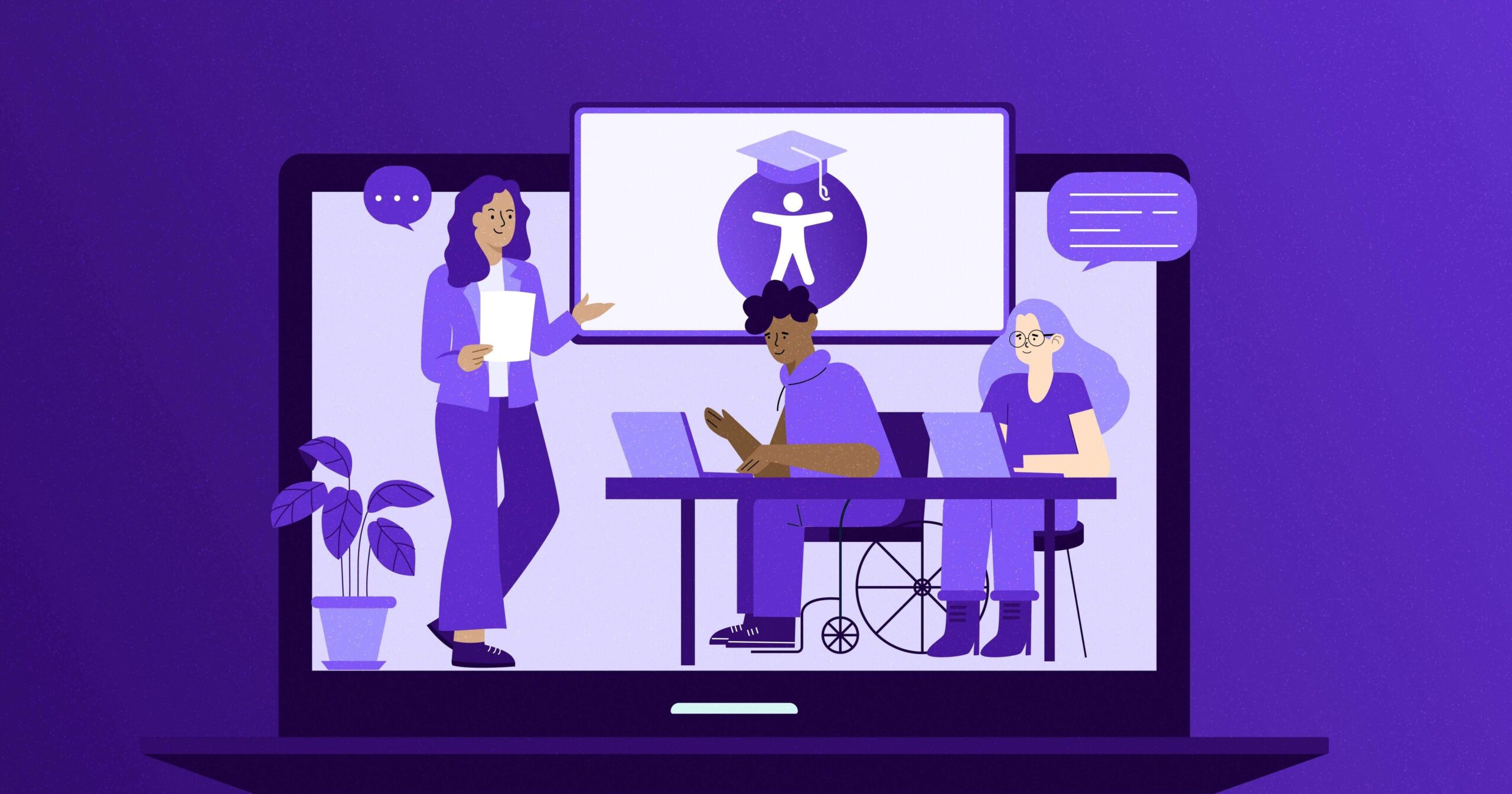
Unlocking Equal Access: The Future of Accessibility in Education Technology
Education should be a basic right, not a privilege. Yet, for millions of students worldwide, traditional classrooms can present insurmountable barriers. Fortunately, the rapid integration of education technology (EdTech) is redefining how, where, and who can access learning opportunities. As we step into a digital-first future, ensuring accessibility in education technology becomes both a moral imperative and a catalyst for global progress.
Why Accessibility in Education Technology Matters
Accessibility in EdTech means creating digital tools, platforms, and content that can be engaged with by all learners, regardless of disability, socioeconomic background, or geographic location. Accessible education technology transforms learning by:
- Bridging gaps for students with disabilities, visual or hearing impairments, and learning challenges.
- Empowering remote and underserved communities by removing physical and financial learning barriers.
- Fostering inclusive classrooms where diverse abilities and experiences enrich the learning process.
- Meeting legal and ethical standards such as the Americans with Disabilities Act (ADA) and Web Content Accessibility Guidelines (WCAG).
The Current State of Accessibility in edtech
While many educational software tools and platforms have initiated steps toward more inclusive experiences, significant challenges remain. A recent report by the Center for Applied Special Technology (CAST) highlighted that only about 60% of educational apps meet basic accessibility criteria.
Key ongoing issues include:
- Inaccessible content – Text-heavy resources without alternatives for screen readers, lack of video captioning, or interactive elements that are not keyboard-pleasant.
- Complex user interfaces – Non-intuitive navigation can frustrate students with cognitive or physical disabilities.
- Limited teacher training – Many educators lack professional advancement in using or adapting accessible technologies in the classroom.
Key Innovations: Shaping the Future of Accessibility in EdTech
the landscape is rapidly evolving as emerging technologies and best practices empower a new era of equitable education.Here are the leading innovations unlocking equal access:
1. AI-Powered Personalization
- Adaptive learning platforms detect individual learning styles and adjust content delivery for better accessibility and retention.
- AI-based speech recognition converts spoken instructions into text, aiding students with hearing challenges.
2. Speech-to-Text and Text-to-Speech Tools
- Real-time captioning and voice transcription make virtual classes accessible for deaf and hard-of-hearing students.
- screen readers and audio books assist learners with dyslexia or vision impairments.
3. Gamification & Accessible Gamified Content
- EdTech games with accessible formats help engage students of all abilities in immersive learning experiences.
- Customizable difficulty levels allow learners to progress at their own pace.
4. Multimodal Learning Content
- Providing video, audio, interactive simulations, and visual aids ensures learners can access material in ways that suit them best.
- Alternative text for images, audio descriptions for video, and tactile graphics are increasingly standard features.
5. Cloud-Based Platforms and Worldwide Design
- Cloud-based systems allow access from any device with an internet connection, promoting flexibility and mobility.
- Universal Design for Learning (UDL) principles ensure content is accessible to everyone by default.
Benefits of Prioritizing Accessibility in EdTech
Inclusive educational technology isn’t just about compliance—it’s about enhancing outcomes for all learners. here’s how accessible EdTech benefits students, educators, and institutions:
- Greater student engagement and retention. Personalized, accessible content keeps learners motivated.
- Broader reach. Schools and educators expand their impact, reaching students in remote or underserved areas.
- Improved academic performance. Tailored learning addresses individual barriers and needs.
- Reduced stigma and increased equity. normalizing accessibility features benefits everyone, not just those with disabilities.
- Long-term cost savings. Well-implemented accessible solutions reduce the need for expensive retrofits later.
Practical Tips for Creating Accessible Educational technology
Designing for accessibility benefits every learner. Here are some actionable best practices for EdTech developers, educators, and administrators:
- Follow WCAG standards. Design digital content to meet at least WCAG 2.1 AA criteria for screen readers, contrast, and keyboard navigation.
- Incorporate multiple content formats. Offer audio, video, text, and interactive assets to suit various needs.
- Engage students with disabilities in product testing. Their feedback is invaluable for real-world usability.
- Provide professional development. Train educators on accessible technology tools and inclusive teaching strategies.
- Leverage open educational resources (OER) with built-in accessibility features.
- Keep user interfaces simple and intuitive. Minimize cognitive load with logical structure and clear navigation.
- Include captions, transcripts, and alternative text for all multimedia content.
Case Studies: Accessibility in Action
Microsoft’s Immersive Reader
Immersive Reader enhances reading and comprehension for learners of all abilities. Its features include text decoding, grammar assistance, and read-aloud functions—helping dyslexic and non-native speakers thrive.
Khan Academy
Khan Academy’s fully accessible platform offers closed captions, transcripts, and adjustable playback speeds. Its dedication to removing barriers supports millions of students worldwide, including those learning from rural locations.
Voiceitt
By giving voice to those with speech impairments, Voiceitt uses AI-powered speech recognition tech, letting users operate communication apps, smart homes, and educational software independently.
First-Hand Experience: A Student’s Perspective
“As a visually impaired student, I struggled in traditional settings. When my school adopted accessible edtech platforms with screen readers and audio learning, my confidence soared. I could keep up with my peers and was even able to tutor others online. Accessibility isn’t just about access—it’s about empowerment.”
— Lina,College Sophomore
Future Trends: What’s Next for Accessible EdTech?
The future of accessibility in education technology is bright,with innovative solutions on the horizon:
- Augmented and Virtual Reality (AR/VR): AR/VR simulations with adaptive controls and multisensory feedback will soon provide immersive learning experiences accessible to everyone.
- More robust AI tutors: Smart virtual assistants will offer 24/7 personalized guidance and support, tailored for diverse learning needs.
- Expansion of text simplification and language translation tools: Breaking down language barriers for global learners.
- Stronger cross-industry collaborations: tech companies, advocacy groups, and educators co-creating accessible solutions for lifelong learning.
Conclusion: Unlocking an Empowered and accessible Future
Inclusion is the heart of innovation. As education continues its digital change, the way forward is clear—accessibility in education technology must be a foundational pillar, not an afterthought. By embracing universal design, leveraging smart technologies, and listening to diverse voices, the EdTech community can truly unlock equal access for every learner.
Whether you are an educator, developer, policymaker, or learner, you have a role in shaping this future. Start by asking: How can I make education more accessible, starting today?