
Unlocking Equal Learning: The Future of Accessibility in Education technology
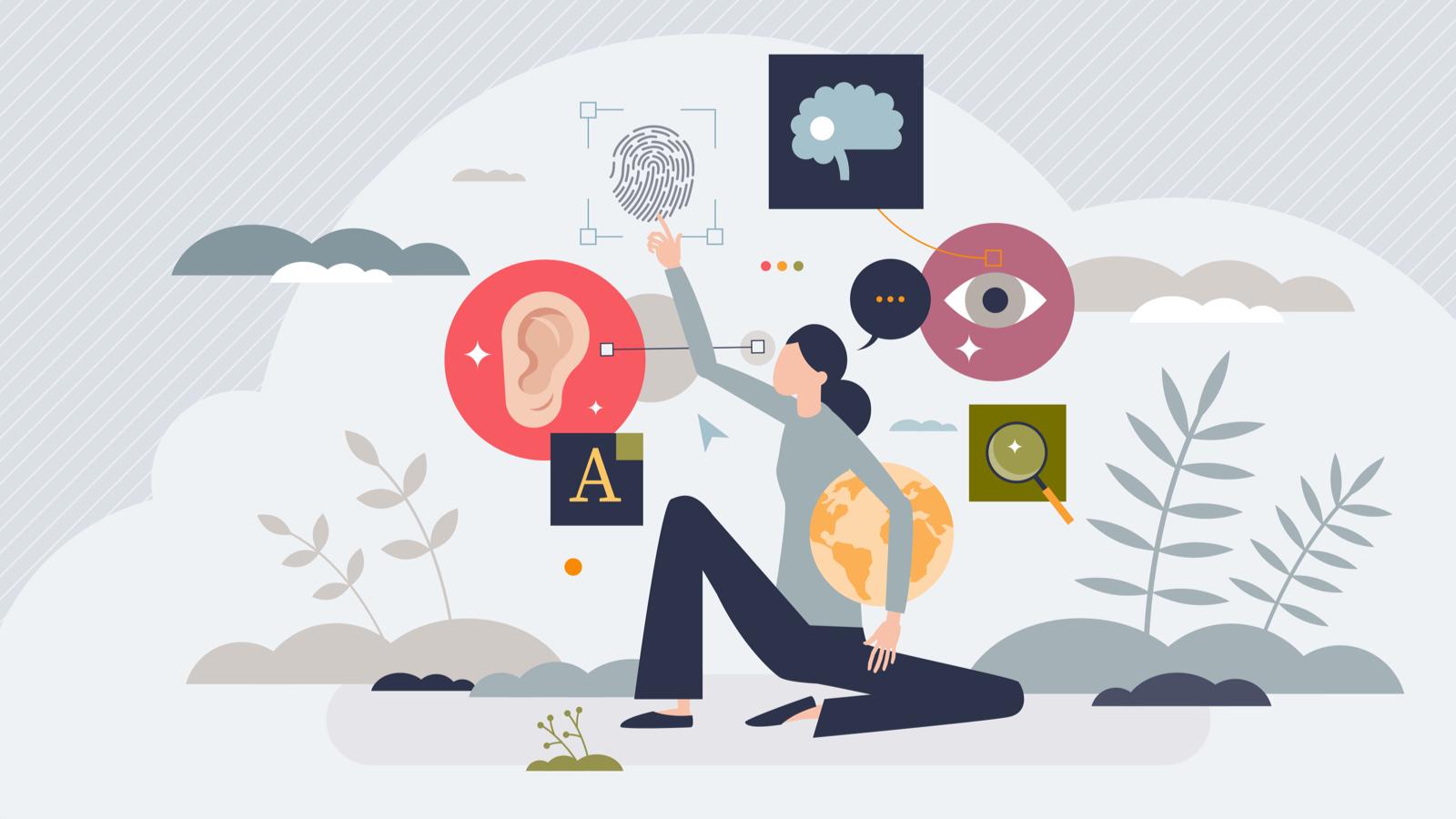
In today’s rapidly evolving digital sphere, accessibility in education technology is not just a buzzword but a transformative movement. As classrooms—virtual and physical—embrace innovative technologies, education is poised to become more inclusive than ever before. Unlocking equal learning means identifying and eliminating barriers, enabling every student, regardless of ability or background, to achieve academic success. Let’s explore how EdTech is shaping the future of accessibility and what this means for educators, students, and society as a whole.
Why Accessibility in Education Technology Matters
Educational equity remains a pressing concern worldwide. for millions of students with disabilities or differing learning needs, customary educational approaches often fall short. By prioritizing accessibility features in EdTech, schools can ensure:
- Equitable Access: Students with physical, sensory, or cognitive disabilities can participate more fully in lessons.
- Personalized Learning: Adaptive technologies cater to diverse learning styles, paces, and abilities.
- Legal Compliance: Meeting ADA, WCAG, and other accessibility standards reduces institutional risk.
- Future Skill Growth: Digital inclusion prepares all learners for an increasingly tech-driven world.
key Innovations Powering Accessible Learning
Cutting-edge education technology solutions are breaking down barriers in unprecedented ways. Here are some of the most impactful advances:
1. Screen Readers and Text-to-Speech (TTS) Tools
Tools like JAWS, NVDA, and built-in browser TTS engines help visually impaired students turn on-screen text into audio, enhancing comprehension and engagement.
2. Speech Recognition and Voice Command
Dragon NaturallySpeaking and Google voice Typing enable students with mobility or language challenges to input answers, navigate platforms, and express ideas more freely.
3. Closed Captioning and Transcription Services
Platforms like YouTube, Zoom, and Microsoft Teams offer real-time captions, ensuring that deaf or hard-of-hearing students don’t miss essential audio content. Transcription tools also support note-taking and post-class review.
4. Customizable User Interfaces
Many modern learning management systems (LMS) allow students to adjust font size, color contrast, and navigation schemes, providing a tailored user experience—all vital for learners with visual or cognitive difficulties.
5. Digital Braille and Haptic Feedback Devices
Refreshable braille displays and haptic response technologies bring tactile learning to the digital world, expanding the scope of accessible content.
Benefits of embracing Accessible EdTech
- Inclusivity: Recognizes and addresses unique learning needs, supporting broader participation.
- Improved Outcomes: Students demonstrate higher engagement, retention, and overall achievement when learning environments are accessible.
- Universal Design: Accessibility features often benefit everyone, not just those with disabilities. Such as,captions aid non-native speakers and help in noisy environments.
- Enhanced Creativity: Inclusive classrooms encourage innovative thinking and problem-solving among all students.
- Positive Reputation: Schools and universities known for accessible learning environments attract diverse student populations and funding opportunities.
Practical Tips for Implementing Accessible Education Technology
- Involve the Community: Collaborate with students, parents, and disability advocates when selecting digital platforms and tools.
- Prioritize User Testing: Conduct accessibility audits with real users. Leverage tools like WAVE and Axe for rapid feedback.
- Continuous Professional Development: Train teachers and IT staff on best practices in digital accessibility for education.
- Accessible Content Creation: Use alt text on images, provide audio descriptions for videos, and structure documents with proper semantic headers.
- Choose Compliant Providers: Select EdTech vendors who adhere to WCAG 2.1 and Section 508 standards.
Real-World Case Studies: Success through Accessibility
Georgia Institute of Technology
By implementing a thorough accessibility initiative, Georgia Tech revamped its online course offerings. Video lectures now include high-quality captions, learning modules support keyboard navigation, and all resources are regularly audited. the result? Student satisfaction scores climbed, and completion rates among students with disabilities rose by 18% in two years.
Microsoft’s Immersive Reader
Adopted widely in K-12 classrooms, Microsoft Immersive Reader helps dyslexic learners and those with attention challenges by providing adjustable text spacing, narration, and translation into multiple languages. Teachers reported improved reading comprehension and increased class participation.
First-Hand Experience: A Student’s Perspective
“I used to dread reading assignments because of my visual impairment. But now, my LMS reads the text aloud and lets me adjust the contrast to what’s cozy for my eyes. I feel just as capable as everyone else, and it’s changed how I see my own potential.”
— Jordan,University Student
Emerging Trends in Accessibility for Education Technology
- AI-Powered Personalization: Artificial intelligence is enabling learning platforms to adapt content in real-time based on a user’s needs and abilities.
- Multisensory Learning: Virtual and augmented reality provide immersive experiences for students with various disabilities, supporting kinesthetic and visual learning.
- Cloud-Based Collaboration: Accessible,cloud-driven platforms let students work together from anywhere,using shared resources that automatically adjust for different devices and assistive tools.
- mobile-first Solutions: as smartphone usage grows, accessibility features are increasingly prioritized in educational apps, making equal learning opportunities available globally.
Conclusion: A Future of Equal Educational Opportunity
the journey toward full accessibility in education technology is ongoing, but progress has been remarkable. Embracing accessible EdTech solutions transforms lives, expands futures, and strengthens the very fabric of our educational systems. Weather you’re a teacher, school leader, policymaker, parent, or developer, your actions today can ensure every learner not only gains access to knowledge—but truly thrives.
As we look ahead,let’s continue to champion accessible innovation,creating classrooms where no student is left behind. Because unlocking equal learning isn’t just about technology—it’s about empowering every individual to achieve their fullest potential.