
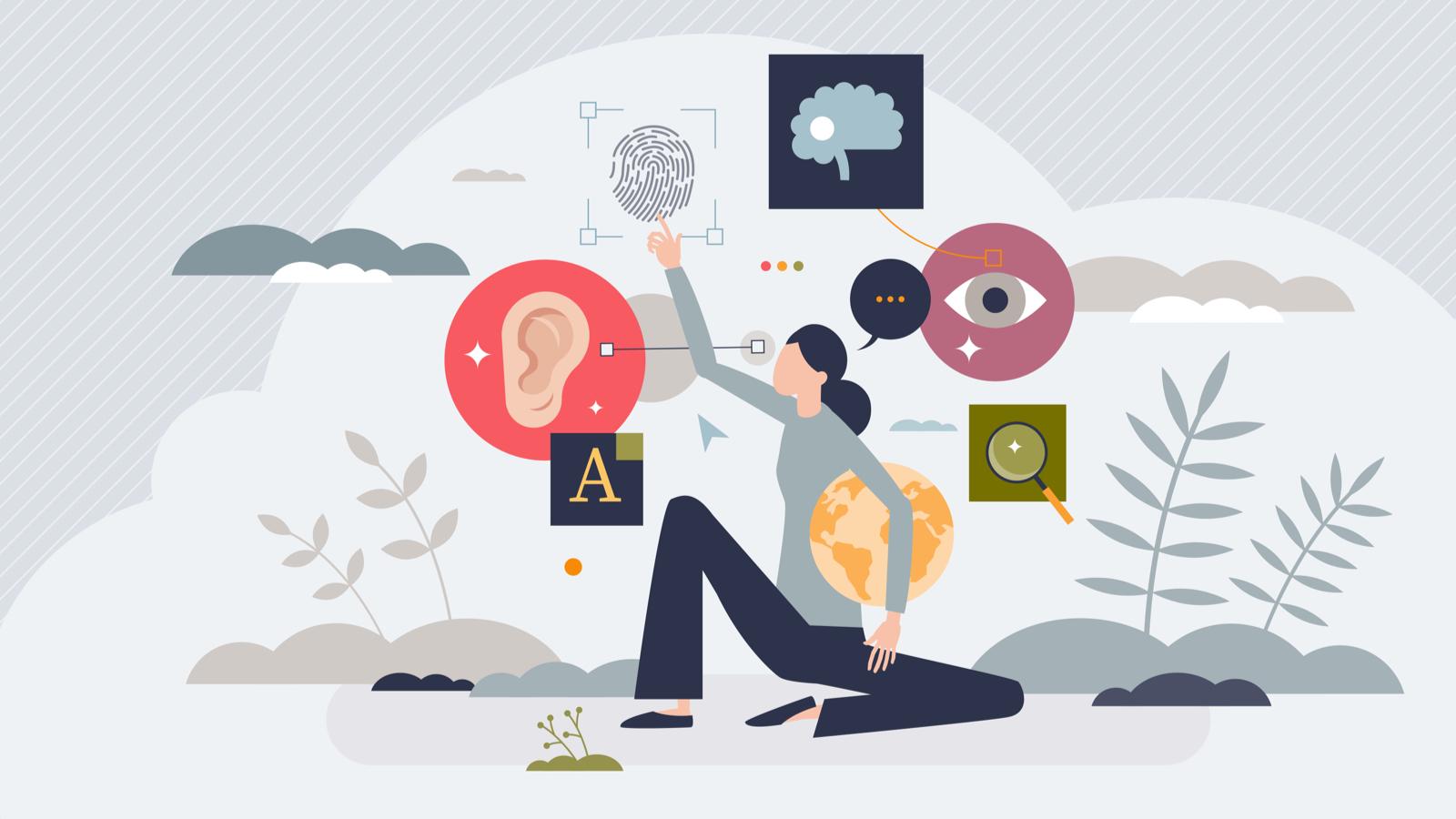
Unlocking Equality: The Future of Accessibility in Education Technology
The promise of education technology (EdTech) is not just about innovation—it’s about ensuring that every student, nonetheless of ability, can learn, grow, and succeed. As we move deeper into the digital age,accessibility in education technology is emerging as a cornerstone of equal opportunity. How can educators, developers, and institutions work together to unlock true equality through accessible EdTech? In this article, we’ll explore the evolution, benefits, challenges, and future trends shaping the intersection of accessibility and educational technology.
Why Accessibility Matters in Education Technology
Digital technology has the power to break down barriers—but only if it’s accessible to everyone. accessibility in education technology ensures that students with disabilities or learning differences can fully participate in digital learning environments. This approach is not just about compliance with regulations like the Americans with Disabilities Act (ADA) or the Web Content Accessibility Guidelines (WCAG); it’s about fostering real educational equality.
- 1 in 5 students in the U.S. has a learning or attention issue (NCLD).
- Globally, over 1 billion people live with disabilities (WHO).
- Accessible edtech benefits everyone—students, teachers, and institutions.
The Evolution of Accessibility in EdTech
Early education technology ofen overlooked the needs of students with disabilities.Today, there’s a growing awareness and commitment to universal design for learning (UDL) and inclusive platforms. Features like screen readers, keyboard navigation, color contrast settings, and captioned videos are becoming standard. But the work is far from finished.
Key Innovations in Accessible EdTech
- Text-to-speech and speech-to-text support
- Customizable font sizes and color schemes
- option input methods (e.g., eye tracking, switch devices)
- Closed captioning and descriptive audio for videos
- User-friendly interfaces for neurodiverse students
As AI and machine learning advance, so does the potential for personalizing learning experiences to support a wider range of abilities and learning preferences.
Benefits of Accessible Education Technology for All Learners
Adopting accessibility in educational technology offers wide-ranging benefits, not just for those with disabilities, but for all users. Here are some of the key advantages:
- Increased Inclusion: Students who previously faced barriers can now thrive alongside their peers.
- Improved Learning Outcomes: Tailored features help students better comprehend and retain information.
- Legal Compliance: Properly accessible tools help schools comply with important accessibility laws and standards.
- Broader Engagement: Teachers can reach more students with diverse needs and learning preferences.
- Future-proofing EdTech Investments: Prioritizing accessibility ensures technology remains relevant and useful for years to come.
Challenges in Achieving Digital accessibility in Education
While the momentum toward accessible EdTech is growing, several challenges remain:
- Lack of awareness and training among educators and developers.
- Limited resources for small schools or developing countries.
- Retroactive accessibility in older platforms can be arduous and costly.
- Rapidly changing technology demands constant updates and vigilance to maintain accessibility.
Addressing these challenges requires collaboration across the EdTech ecosystem, continued investment, and a commitment to ongoing education.
Future Trends: What’s Next for Accessibility in Education Technology?
The future of accessible education technology is promising. Here are some key trends shaping what’s next:
1. AI-Powered personalization
Artificial intelligence can analyze student behaviors to suggest accessibility features in real time, such as adjusting reading levels or suggesting screen readers.
2. Seamless Cross-Device Accessibility
EdTech platforms are evolving for consistency and accessibility across devices—laptops, tablets, smartphones—ensuring students have equal access anywhere, anytime.
3.immersive Learning with AR & VR
Augmented reality (AR) and virtual reality (VR) are becoming more inclusive with haptic feedback, adjustable visuals, and voice navigation, opening new possibilities for students with different abilities.
4. Greater involvement of Users with Disabilities
Collaborating directly with students and educators with disabilities ensures that new tools truly meet their needs.
Case Study: Accessibility in Action
Microsoft’s Accessibility Toolkit
Microsoft’s commitment to accessibility in education technology is evident in products like Immersive Reader and OneNote, which include:
- Text-to-speech and grammar tools for dyslexic students
- Translator integrations for multilingual classrooms
- High-contrast and screen reader compatibility
Schools using these tools have reported higher engagement and better performance among students who typically struggle in traditional settings.
Frist-Hand Experience: A Teacher’s Perspective
“Introducing accessible technology transformed my classroom.Students with visual and reading challenges are finally on an equal footing,participating fully in discussions and assignments.” — Sarah T.,Special Education teacher
Practical Tips for Implementing Accessible EdTech Solutions
No matter your role,you can help advance accessibility in education technology. Here are some actionable steps:
- Conduct regular accessibility audits on your EdTech tools and websites.
- Train staff and teachers on accessibility best practices.
- Choose platforms certified to meet WCAG and ADA standards.
- Engage with students and families to identify unmet needs and gather feedback.
- Collaborate with accessibility advocates and integrate the latest assistive technologies.
- Stay informed about new policies and advances in accessibility in education technology.
Conclusion: building a More Equal Educational Future
The journey to unlocking true educational equality begins with accessibility in education technology. By embracing inclusive design,investing in user-friendly tools,and fostering a culture of continuous improvement,we empower every student to reach their full potential. As technology evolves, so too does our responsibility to remove barriers and ensure access for all.The future of education is accessible, and together we can unlock equality for the next generation of learners.