
unlocking Global Learning: How Virtual Field Trips Expand Classroom Horizons
In today’s interconnected and technology-driven world,conventional classroom boundaries no longer limit the educational experience. Virtual field trips are opening doors to a universe of learning opportunities, allowing students and teachers to explore new places, cultures, and disciplines without ever leaving their classroom. In this article, we’ll explore the transformative impact of virtual field trips on global learning, their key benefits, implementation tips, and inspiring real-world examples.
What Are Virtual Field Trips?
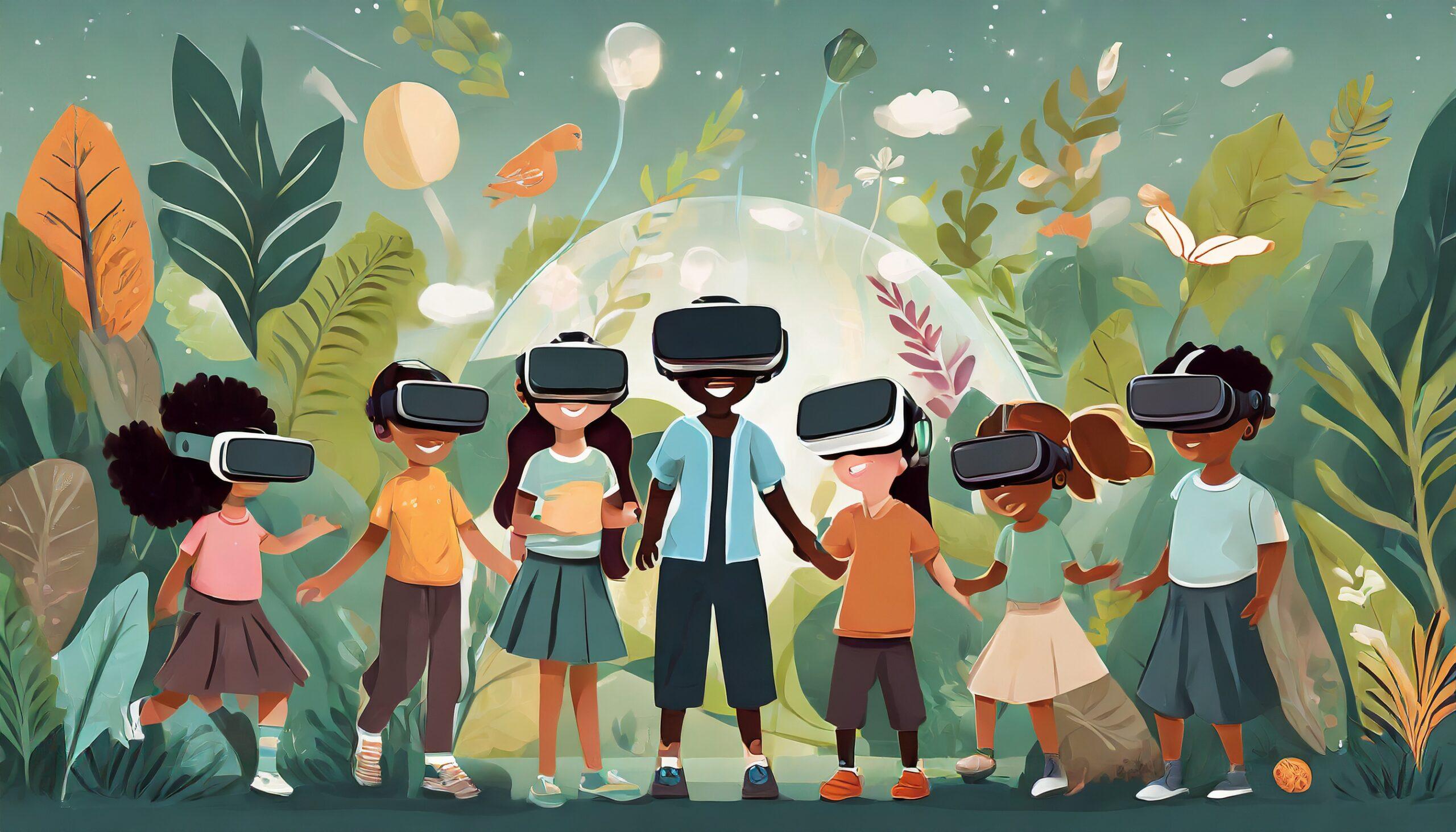
Virtual field trips are immersive digital experiences that transport students to far-flung destinations, historical sites, scientific laboratories, museums, and even into the habitats of exotic animals — all through the power of technology. Using tools such as live video conferencing, interactive 360-degree tours, and augmented reality (AR), educators can enrich their curriculum and provide students with firsthand experiences that go well beyond textbooks.
- Virtual visits to renowned museums like the Louvre
- Real-time webinars with scientists in remote research stations
- Exploring planets via virtual observatories
- interactive tours of historic landmarks such as Machu Picchu
These engaging journeys make global learning accessible to all students, regardless of geographical or financial constraints.
Benefits of Virtual Field Trips in Expanding Classroom Horizons
1. Breaking Geographical Barriers
One of the biggest advantages of virtual field trips is their ability to break down geographical limitations. Students can encounter diverse cultures, environments, and perspectives, fostering cultural understanding and global awareness from the comfort of their classroom.
2. Enhancing Engagement and Motivation
Interactive elements, multimedia content, and real-time Q&A sessions make virtual field trips highly engaging. Studies show that visually enriched educational experiences stimulate curiosity and motivation, helping students retain facts more effectively.
3. Supporting diverse Learning styles
Not all students learn best through lectures and reading. Virtual field trips cater to visual, auditory, and kinesthetic learners by offering hands-on, immersive, and frequently enough customizable experiences.
4. Promoting equity and Inclusion
Traditional field trips are often out of reach for students in underfunded schools or rural areas. Virtual field trips level the playing field, making inclusive education a reality by providing worldwide access to enriching learning experiences.
5. Safe and Cost-Effective Learning
By eliminating the need for travel, permissions, and supervision logistics, virtual field trips are not only safer but also substantially reduce costs for schools and families.
How to Make the Most of Virtual Field Trips: Practical Tips for educators
Integrating virtual field trips into your curriculum requires thoughtful planning and creativity. Here are some tried-and-tested tips to maximize the learning impact:
- Align with Curriculum Goals: Choose field trips that reinforce or expand upon key lessons and learning objectives.
- Pre-Trip Readiness: Brief students on what they’ll experience and introduce key vocabulary or background information.
- encourage Interaction: Opt for virtual field trips with interactive features—live guides, Q&A sessions, or follow-up activities.
- Arrange Collaborative Activities: Pair students for group-based assignments or discussions about their virtual experiences.
- Follow Up Post-Trip: Have students reflect, journal, or create presentations based on what they learned during the field trip.
- Leverage Technology: utilize available platforms—Google Earth, Zoom, Nearpod VR, or custom apps—to facilitate smooth and immersive experiences.
Real-Life Examples: Virtual Field Trips in Action
Case Study: A Fourth-Grade Classroom Explores the Great Barrier Reef
Ms. Anderson’s fourth-grade class in Ohio couldn’t afford a physical trip to australia — but thanks to Google Expeditions, her students dove into the crystal-clear waters of Australia’s Great Barrier Reef. Through interactive 360-degree panoramas and live narration from marine biologists, students observed coral reefs, learned about ocean conservation, and connected science concepts to real-world issues.
Case Study: Connecting with Scientists at the South Pole
At Lincoln Middle school, a virtual tour took seventh-grade students to an Antarctic research station. During a live webinar,they met scientists,learned about penguin habitats,and discussed climate change. Students were enthralled by the live Q&A, collaborating to formulate questions in advance to maximize the experience.
Educators’ Perspectives: Firsthand Experience with Virtual Field Trips
“Our students’ faces light up when they realize they’re talking to an archaeologist standing in front of the Pyramids.The sense of wonder is palpable, and for many, it sparks a passion for learning that endures long after the lesson.”
— Mrs. Ramirez, Fifth grade Teacher, Texas
“Virtual field trips have bridged the gap between our rural school and the world.Students interact with peers and professionals far beyond what physical field trips ever allowed.”
— Mr. Chen,Middle School Science Teacher,Vermont
Popular Platforms and Resources for Virtual Field Trips
Getting started with virtual field trips is easier than ever,thanks to a growing number of user-pleasant platforms:
- Google Arts & Culture – Explore hundreds of museums,galleries,and heritage sites in 360°.
- Discovery Education Virtual Field Trips – Engaging live and on-demand educational journeys for all grades.
- National Geographic Explorer Classroom – Connects students to explorers, scientists, and conservationists worldwide through interactive sessions.
- Mystery Science – Offers virtual science lessons and field trips for elementary students.
- Smithsonian National Museum of Natural History – Self-guided virtual tours of exhibits and collections.
many of these resources are free or have affordable access plans for educators and schools.
Future Trends: The Next Frontier in Global Learning
As technology evolves, so does the potential of virtual field trips. Virtual reality (VR), augmented reality (AR), and artificial intelligence (AI) are poised to make these experiences even more lifelike, adaptive, and interactive. imagine students collaborating with classmates worldwide in real time, exploring reconstructed ancient cities, or conducting simulated science experiments in space.
These advances reinforce the role of virtual field trips as a cornerstone of global education — preparing today’s learners for tomorrow’s interconnected world.