
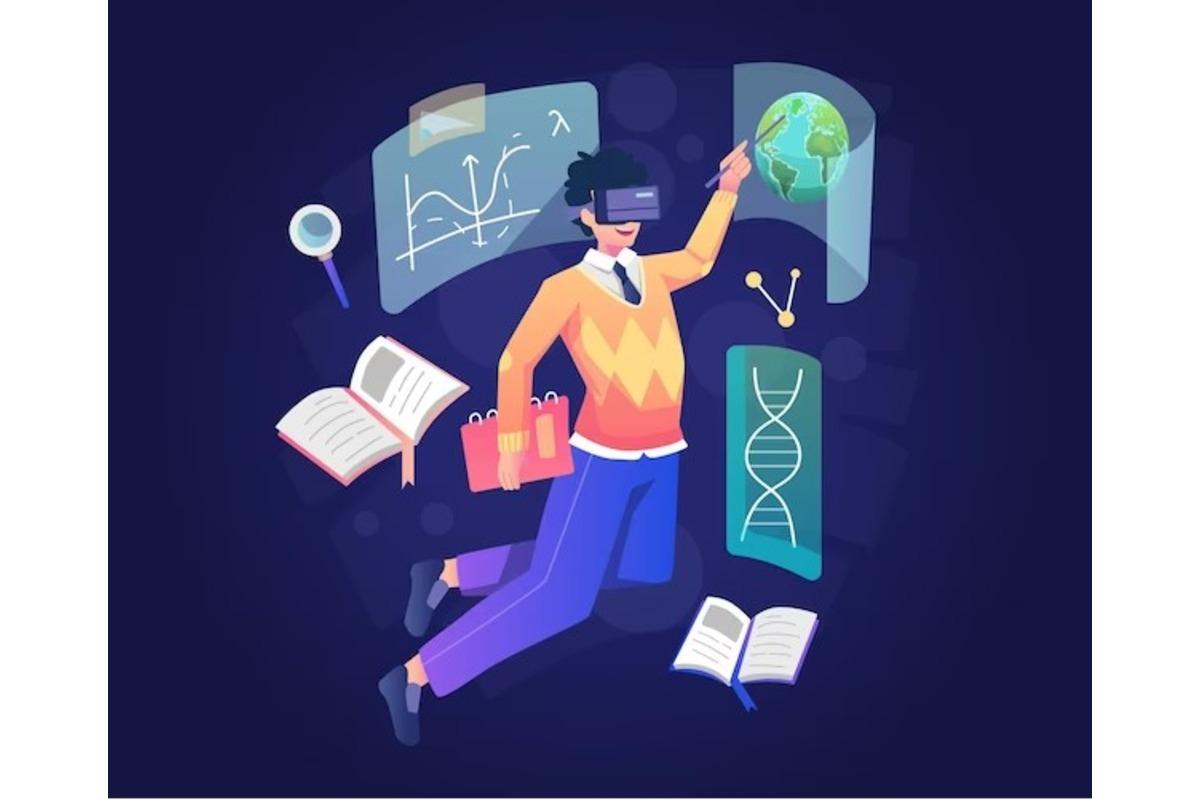
Unlocking Immersive Learning: How VR/AR Are Revolutionizing Modern Education
Introduction
Imagine stepping inside an ancient castle during history class, dissecting virtual frogs in biology, or exploring the solar system from your classroom chair. This is not science fiction—it’s the reality made possible by Virtual Reality (VR) and Augmented Reality (AR). As technology evolves,immersive learning powered by VR and AR is revolutionizing modern education,creating incredible opportunities for students and educators alike. In this article, we’ll explore how these cutting-edge technologies are reshaping teaching and learning, their benefits, real-life applications, and practical tips for educators ready to embrace the future of education.
What Are VR and AR in Education?
Virtual Reality (VR)
VR immerses users in a completely virtual surroundings, typically through head-mounted displays. In education, this could mean journeys to the pyramids of Giza, virtual science labs, or interactive simulations of complex concepts.
Augmented reality (AR)
AR overlays digital information onto the real world using devices like tablets, smartphones, or AR glasses. Think of seeing a 3D heart model on your desk during a biology class—or using AR apps to solve math problems with interactive visual aids.
Together, VR and AR create immersive educational experiences that can boost engagement, retention, and understanding like never before.
Benefits of VR and AR in Modern Education
- Enhanced Engagement: Interactive lessons in VR/AR environments captivate students’ attention, making learning fun and memorable.
- Improved Retention: Immersive experiences encourage active participation, which leads to better information retention compared to traditional methods.
- Safe Exploration: VR allows learners to safely experiment—whether it’s conducting chemistry explosions or practicing surgical procedures—without real-world risks.
- accessibility: AR and VR break down geographical barriers, providing access to high-quality education resources for students everywhere.
- Personalized Learning: Adaptive VR simulations can tailor content according to the learner’s pace and understanding, offering truly customized learning paths.
- Collaboration and Communication: Immersive platforms enable students to collaborate virtually, fostering teamwork skills essential for the modern workforce.
Case Studies: Immersive Learning in Action
Case Study 1: Medical Education with VR
Johns Hopkins University has implemented VR simulations to train medical students in surgical procedures. Using VR headsets, trainees navigate complex operations without risk to actual patients.Studies have shown a notable improvement in understanding anatomical structures, surgical skills, and decision-making.
Case Study 2: AR in Elementary Classrooms
In Finland, elementary schools use AR apps to teach geometry. Students manipulate 3D shapes with tablets,which enhances spatial reasoning and mathematical comprehension. Teachers report more enthusiastic learning behavior and higher test scores.
Case Study 3: Virtual Field Trips via Google expeditions
Google Expeditions transports students to underwater reefs, historical landmarks, or spacecraft—all from the classroom. teachers facilitate guided tours, with students exploring immersive 360-degree environments. These virtual trips have been shown to boost interest in science and history, especially among younger learners.
First-Hand Experiences: Voices from the Classroom
“When I put on the VR headset for our World War II lesson, I felt like I was actually in the trenches. It was intense, and I learned so much more than just reading about it.” — Sarah, Grade 9 Student
“AR flashcards have transformed how I teach vocabulary. Students love seeing words come to life, and it’s made retention a breeze.” — Mr. Thompson, elementary Teacher
these testimonials highlight the transformative impact immersive technology can have on both teaching methods and learner engagement.
How to Integrate VR/AR into Your Classroom: Practical Tips
1. Select the Right Tools
- VR Headsets: Oculus Quest, HTC Vive, and Google Cardboard are popular for immersive VR experiences.
- AR Apps: platforms like Merge Cube, Quiver, and Augment Education offer interactive AR content tailored for students.
2. Start with Simple Projects
-
Use free VR field trips to introduce new concepts.
-
Deploy AR flashcards and interactive posters for vocabulary or science topics.
3. Ensure Content Alignment
-
Choose immersive learning activities that align with curriculum objectives.
-
Seek resources through platforms such as ClassVR and zSpace.
4. Focus on Training and Support
-
Provide teacher training sessions on using VR/AR tools effectively.
-
Encourage peer collaboration to share best practices and lesson ideas.
5. address Equity and Accessibility
-
Take advantage of affordable or grant-funded VR/AR options.
-
Incorporate mobile-compatible AR applications for broader device coverage.
Challenges and Considerations
- Cost: While prices are dropping, initial setup can be costly for some schools. Look for pilot programs and partnership opportunities.
- Technical Issues: Reliable Wi-Fi, device compatibility, and IT support are essential for seamless integration.
- Curriculum Integration: Not all subjects are suited for immersive learning. Carefully select applications that genuinely enhance understanding.
- Student Comfort: Monitor how students react to VR/AR. Some may experience motion sickness—always allow breaks and choice activities.
The Future of Immersive Learning
The synergy between VR, AR, and education is just beginning. With advances in artificial intelligence, haptic feedback, and cloud computing, the future promises even more personalized and accessible immersive experiences.Educators will soon harness real-time analytics to adapt learning instantly, and students will collaborate in shared virtual spaces regardless of location. As immersive learning becomes mainstream, it could redefine education for future generations—bridging gaps, sparking curiosity, and nurturing the innovators of tomorrow.
Conclusion
VR and AR are more than futuristic buzzwords—they are tangible tools that are already transforming classrooms around the world. By unlocking immersive learning, educators empower students to explore, create, and engage like never before. As the technology continues to evolve, so to will the possibilities for modern education. The journey now is to embrace these opportunities, harness the transformative power of VR/AR, and guide learners toward a luminous, boundless future.
Are you ready to bring immersive learning to your school? begin exploring VR/AR today and become a pioneer in modern educational innovation!