
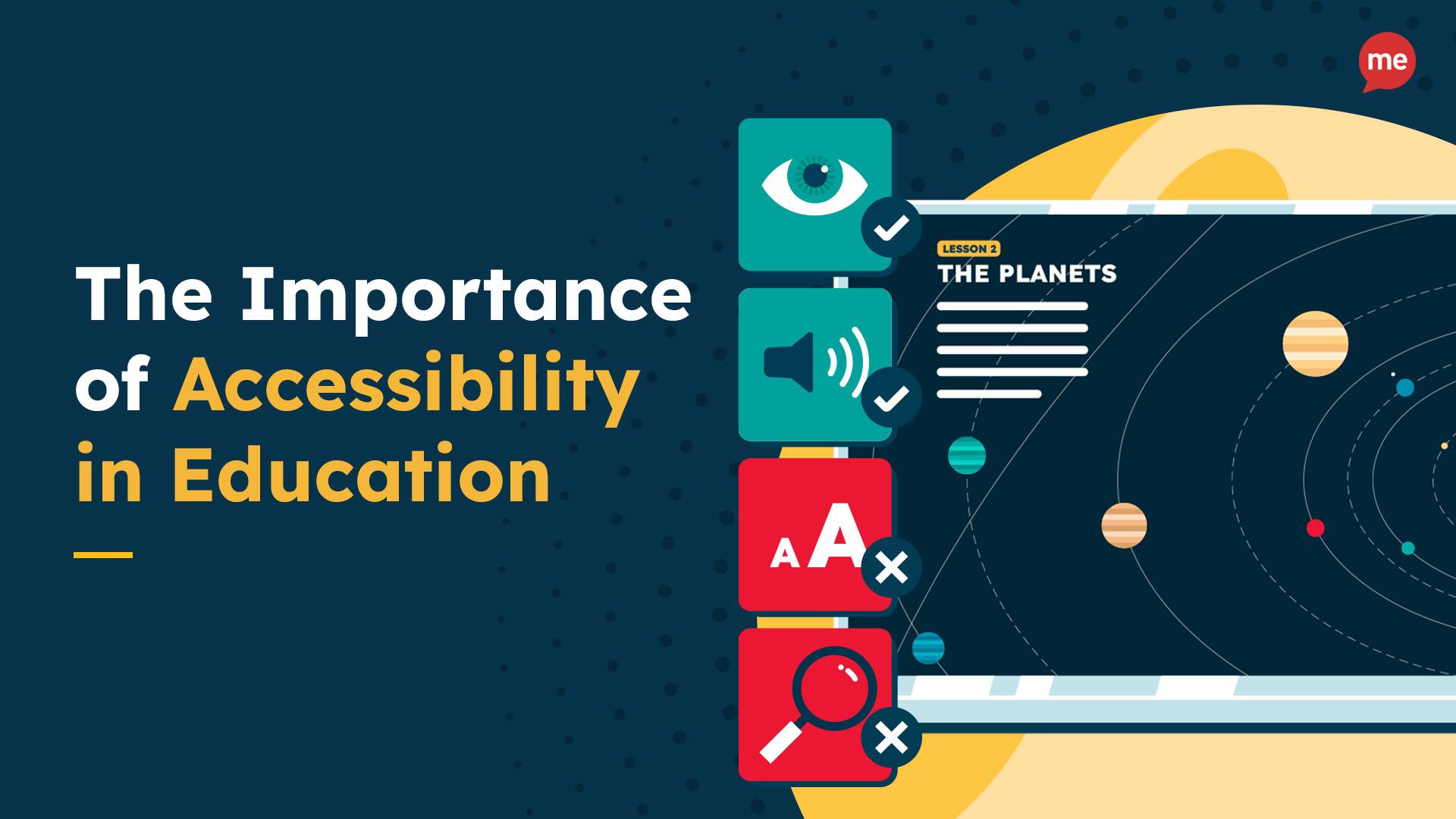
Unlocking Inclusive Education: How an Accessibility specialist enhances Learning Tools
As education technology transforms how learning happens in universities, colleges, and schools, the drive toward inclusivity has never been more critically important. For those exploring a career in educational technology, the role of an Accessibility Specialist is rapidly gaining meaning. Accessible learning tools ensure students of all abilities can participate fully in their education, breaking down barriers and promoting equal opportunities. If you’re interested in a job that bridges technology and inclusive education, read on to discover how becoming an Accessibility Specialist can make a meaningful impact on the educational experience—and your career.
Why accessibility Matters in Education Technology
Accessibility in education technology (EdTech) ensures all students, including those with disabilities, can effectively interact with digital learning environments. From visual and auditory impairments to cognitive and motor challenges, accessibility addresses a broad range of needs. Universities, colleges, and schools are bound not only by ethical obligations but also by legal frameworks (like ADA and Section 508 in the United States) to deliver accessible solutions.
- Equity in Learning: Accessible tools ensure every student participates and learns without barriers—vital for student retention and success.
- Legal Compliance: Institutions must comply with accessibility laws to avoid legal action and maintain eligibility for federal funding.
- Institutional Reputation: Schools known for inclusivity and accessible technology attract a broader,more diverse student base.
What Does an Accessibility Specialist Do?
An Accessibility Specialist in higher education or K-12 environments works at the intersection of technology and instruction. They ensure digital learning tools, content, and platforms comply with accessibility standards and provide meaningful experiences for all learners. Their role typically includes:
- Conducting audits: Evaluating existing websites, platforms, and tools for accessibility compliance using testing tools and manual reviews.
- Recommending improvements: Providing actionable insights to instructional designers, web developers, and content creators.
- Training staff: Empowering educators, administrators, and IT teams with the knowledge to create accessible materials from the start.
- Supporting students: Assisting learners with disabilities in accessing course materials and technologies effectively.
- Policy development: Collaborating with leadership to establish and refine institutional accessibility policies.
Key Accessibility Standards and Guidelines
To enhance learning tools, Accessibility Specialists use international and national standards, such as:
- WCAG (Web Content Accessibility Guidelines): A universally recognized set of requirements to ensure web content is accessible.
- Section 508 (U.S.): A law requiring federal agencies and institutions receiving federal funding to make electronic information accessible.
- ADA (Americans with Disabilities Act): Prohibits discrimination based on disability in all areas of public life, including education.
Benefits of Employing an Accessibility Specialist
Adding an Accessibility Specialist to your educational institution provides measurable advantages for students,staff,and the organization as a whole:
- Improved Student Outcomes: Accessible learning tools enhance engagement,motivation,and performance for all students,not just those with disabilities.
- wider Reach: Inclusivity appeals to international and non-traditional students, expanding the institution’s audience.
- Inclusive Campus Culture: Demonstrates a commitment to diversity, equity, and inclusion.
- Reduced Legal Risk: Proactive accessibility management minimizes compliance violations and potential lawsuits.
- Future-Proofing: As technology and legal expectations evolve, specialists keep your institution ahead of the curve.
Essential Skills and Qualifications for Accessibility Specialists
If you aspire to become an accessibility expert in educational technology, here are some critical competencies and qualifications to focus on:
- Knowledge of Accessibility Standards: Deep familiarity with WCAG, Section 508, and ADA guidelines is crucial.
- Technical Aptitude: Ability to test, troubleshoot, and recommend accessibility solutions for websites, software, and digital resources.
- assistive Technology Proficiency: Understanding how screen readers, voice recognition, and other adaptive technologies work.
- Collaboration & Interaction: Working closely with faculty, developers, and administrators to champion accessibility initiatives.
- Attention to Detail: Identifying subtle issues in digital content that could hinder user experience for those with disabilities.
- Continuous Learning: Commitment to staying informed about evolving accessibility laws, tools, and best practices.
Typical Educational Background
- Bachelor’s or master’s degree in instructional design, educational technology, computer science, special education, or a related field.
- Certifications, such as CPACC (Certified professional in Accessibility Core Competencies) or Web Accessibility Specialist (WAS) can set you apart in the job market.
Day-to-Day Responsibilities in a University, College, or School Setting
An Accessibility SpecialistS daily tasks may vary based on the size and needs of the institution, but often include:
- Reviewing and remediating learning management systems (LMS) and digital course materials for accessibility issues.
- Working with faculty to make lecture slides, videos, and reading materials accessible and compatible with assistive technologies.
- Assisting IT teams with accessible procurement and implementation of new EdTech platforms or software.
- Providing workshops for educators on creating accessible documents, multimedia, and online resources.
- Testing and documenting the accessibility of apps, websites, and third-party tools used in education settings.
Practical Tips for Aspiring Accessibility Specialists
- Build a Portfolio: Document your accessibility audits, remediation efforts, and projects. Include before-and-after examples and outcomes.
- Get Certified: pursue recognized accessibility certifications to demonstrate your expertise and commitment to the field.
- Stay Connected: Join professional organizations and online communities focused on accessibility in education and technology.
- Develop Soft Skills: Effective communication,empathy,and problem-solving are essential for working with diverse stakeholders.
- Practice Accessibility: Apply best practices in your own work—weather building a website, designing a course, or authoring documents.
Career Prospects for Accessibility Specialists in EdTech
The demand for Accessibility Specialists in universities, colleges, and schools continues to grow as institutions prioritize inclusive education and adapt to hybrid and online learning models. Career paths may include:
- accessibility Specialist or Coordinator
- Instructional Designer with Accessibility focus
- EdTech Project Manager specializing in inclusive design
- Assistive Technology Specialist
- Consultant or trainer for educational organizations
Salaries vary depending on region, education, and experience, but the role is highly valued and can lead to senior leadership positions in EdTech and accessibility management.
Impact Stories: Real-World Examples
Across educational institutions, Accessibility Specialists have:
- Transformed online courses to meet WCAG standards, resulting in increased engagement from students with visual impairments.
- Developed accessible science lab simulations that allow students using screen readers to participate fully in experiments.
- Introduced institution-wide training,raising overall awareness and considerably reducing accessibility-related complaints.
Conclusion: Your Role in Transforming Inclusive Education
The role of an Accessibility Specialist is more than a job—it’s a mission to unlock inclusive educational experiences for all students, nonetheless of ability. In an era where digital learning is central to academic success, your expertise can bridge gaps and create transformative change. If you’re passionate about technology, education, and equity, this dynamic EdTech career offers the chance to impact lives while advancing your own professional journey. Start developing your skills, connect with like-minded professionals, and step confidently into a future where every learner can thrive.