
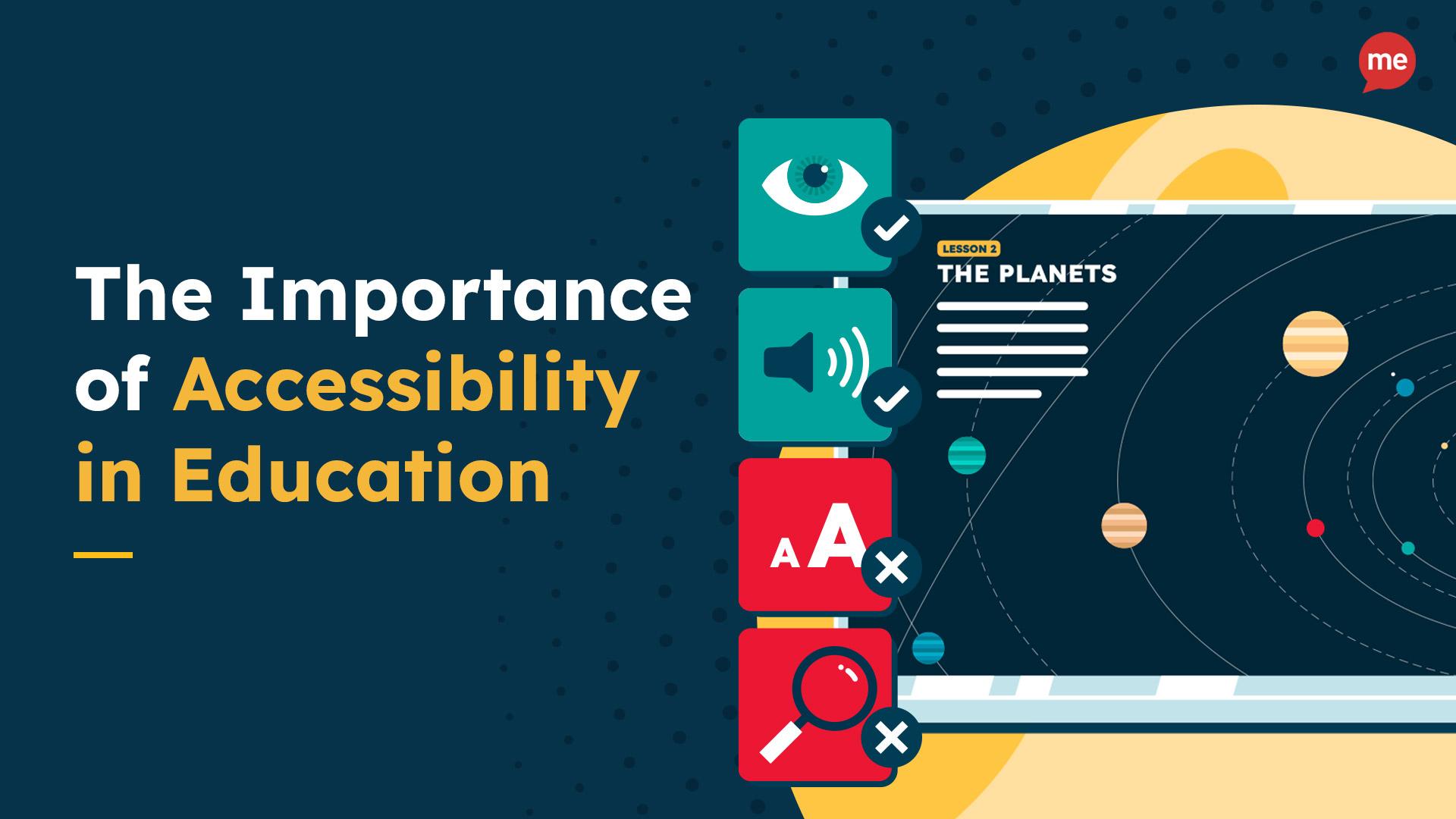
Unlocking Inclusive Education: The Role of an Accessibility Specialist in Learning Tools
The rapid integration of technology in education has revolutionized how universities,colleges,and schools deliver learning content. Yet, for this digital transformation to truly benefit all students, inclusivity must be at the forefront. Enter the Accessibility Specialist—a vital advocate for equal access in educational technology (EdTech). Whether you’re seeking a career in edtech, passionate about accessibility, or want to make impactful change in educational institutions, understanding the role of an Accessibility Specialist in learning tools is essential.
What is an Accessibility Specialist in Education Technology?
An Accessibility Specialist in educational technology ensures that digital learning platforms, software, and resources meet the diverse needs of all students, including those with disabilities. Their core mission is to break down digital barriers—be it through adapting web content, integrating assistive technologies, or educating staff on best accessibility practices.
Key Responsibilities of an Accessibility Specialist
- Conducting thorough accessibility audits of learning tools and websites
- Collaborating with designers and developers to implement accessible solutions
- Establishing and maintaining compliance with legal standards (such as ADA, Section 508, WCAG)
- Developing and delivering training on accessibility best practices for faculty, staff, and students
- Evaluating new technologies for accessibility before adoption
- Creating documentation, guides, and resources to support ongoing accessibility efforts
- Providing technical support and solutions for assistive technology users
- Staying informed on advancements in inclusive education and accessibility trends
Why Accessibility Matters in Learning Tools
Inclusive education is no longer a nice-to-have—it’s a necessity. Digital learning environments must be usable and navigable by all students, irrespective of ability. Accessibility Specialists ensure students with disabilities have equal access to educational material,allowing institutions to:
- Increase student engagement and performance across diverse populations
- Foster a sense of belonging for all learners
- Comply with federal and state accessibility regulations,avoiding legal pitfalls
- Enhance institutional reputation for commitment to diversity and inclusion
- Future-proof digital content against upcoming accessibility requirements
Skills and Qualifications Needed for Accessibility Specialists
Accessibility in educational technology is both a technical and human-centered field. The most effective Accessibility Specialists combine technical proficiency with strong interpersonal and organizational skills. Key qualifications and abilities include:
- Thorough understanding of accessibility standards (WCAG, ADA, Section 508, etc.)
- Knowledge of assistive technologies (e.g., screen readers, alternative input devices)
- Experience with HTML, CSS, JavaScript, and accessibility testing tools
- Strong dialogue and training skills for working with diverse stakeholders
- Analytical skills for conducting audits and identifying accessibility gaps
- Problem-solving ability to recommend and implement effective solutions
- Commitment to continuous learning in the fast-evolving EdTech landscape
Suggested Educational background
- Bachelor’s or Master’s degree in Educational Technology, Instructional Design, Computer science, or a related field
- Certifications such as IAAP’s Certified Professional in Accessibility core Competencies (CPACC) are highly valued
- Relevant experience in education, technology, or accessibility-focused roles
Why Pursue a Career as an Accessibility Specialist in EdTech?
The demand for Accessibility Specialists in higher education, K-12, and other learning environments is booming. Here are some compelling reasons to consider this career path:
- Impactful Work: Directly help students overcome learning barriers and unlock their academic potential.
- High Demand: As institutions prioritize inclusion and compliance, demand for qualified specialists is increasing.
- Career Growth: Opportunities for advancement into leadership, policy-making, or consultancy roles.
- Competitive Salaries: EdTech accessibility jobs frequently enough offer attractive compensation and benefits.
- professional Fulfillment: Make a real difference in the push toward equitable education for all.
Practical Tips for Aspiring Accessibility Specialists
Launching a successful career as an Accessibility Specialist in educational technology requires strategic preparation. Consider the following tips:
- Build Technical Skills: Gain experience with HTML, digital content authoring, and accessibility evaluation tools (like Axe, WAVE, or JAWS).
- Stay Informed: Keep up-to-date with changes in accessibility legislation, EdTech trends, and new assistive technologies.
- Develop Soft Skills: Enhance communication, advocacy, and teaching abilities, as these are critical for training and collaboration.
- Engage with the Community: Join accessibility or EdTech professional groups to network and learn from experts.
- Seek certification and Training: Pursue relevant professional certifications and ongoing learning opportunities.
- Build a Portfolio: Document audit reports, accessible course designs, or training sessions to showcase yoru expertise in job applications.
- Explore Opportunities: Look for openings in universities,colleges,K-12 school districts,and EdTech companies.
Day in the Life: The Accessibility Specialist at Educational Institutions
Every day brings new challenges and opportunities in this rewarding role. Responsibilities may vary, but a typical day could include:
- Reviewing new digital courseware or tools for accessibility compliance
- Collaborating with IT, faculty, and instructional designers to implement accessibility fixes
- Hosting workshops or providing one-on-one training for staff or students
- Responding to accessibility concerns or requests from students or faculty
- Researching emerging trends and integrating inclusive design techniques
The work is dynamic, collaborative, and crucial for the advancement of inclusive learning environments.
Benefits of Accessibility Specialists for Universities, Colleges, and Schools
Educational institutions that invest in Accessibility Specialists benefit in numerous ways:
- Improved Student Outcomes: barriers are eliminated, leading to higher engagement and achievement for all learners.
- Legal and ethical Compliance: Institutions avoid costly lawsuits and demonstrate social obligation.
- Broader Reach: Accessible content is usable by a wider population, including non-native speakers and older adults.
- Innovation: Promotes universal design and forward-thinking educational practices.
- Enhanced Staff Skills: Faculty become more adept at creating accessible and effective learning materials.
Conclusion: Your Path toward Impact in EdTech Accessibility
The role of an Accessibility Specialist in learning tools is critical for unlocking truly inclusive education at universities, colleges, and schools. By ensuring digital content and platforms serve all students—regardless of ability—you become an agent of transformative change.With growing demand across the educational landscape, now is the perfect time to enter this rewarding field. By arming yourself with the right skills, a passion for inclusion, and a commitment to lifelong learning, you can drive the future of equitable, accessible education. Start your journey today, and help every learner thrive.