
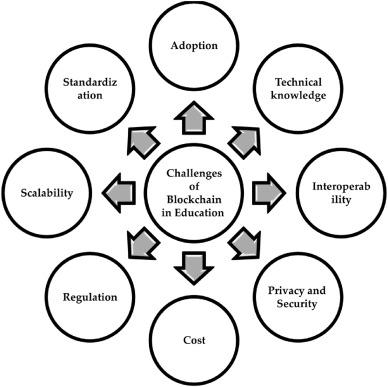
Unlocking Innovation: Case Studies of Blockchain Implementation in Higher Education
Blockchain technology is rapidly reshaping industries around the globe, and higher education is no exception. Universities and colleges are leveraging blockchain to enhance transparency, security, and efficiency in administrative and academic processes. this article dives into the world of blockchain in higher education, using real-world case studies to highlight innovation, examine the benefits, and offer practical tips for institutions looking to adopt this digital revolution.
Why Blockchain in Higher Education?
Blockchain’s core strengths are decentralization, security, and immutability. These qualities make it an ideal solution for the challenges faced by higher education institutions:
- Credential Verification: Fast and fraud-resistant degree and certificate validation.
- Secure Data Management: Safeguard student records, research, and administrative data.
- Transparency: Enhanced trust among students, employers, and regulatory bodies.
- Process Automation: Smart contracts to automate tuition payments, admissions, and course registration.
benefits of Blockchain Implementation in Higher Education
Integrating blockchain technology in higher education brings a host of transformative benefits:
- Instant Credentialing: Issue tamper-proof diplomas and certificates that employers can verify instantly.
- Data Ownership: Empower students to own and control access to their academic and personal data.
- Cost Reduction: Minimize administrative overheads by cutting down intermediaries and paperwork.
- Global Recognition: Enable seamless transfer and acceptance of academic credentials worldwide.
- Improved Trust: Build credibility with stakeholders through transparent and auditable records.
Case Studies: Blockchain Implementation in Higher Education
1. MIT: The Digital Diploma Initiative
The Massachusetts Institute of Technology (MIT) has been a pioneer in blockchain innovation in higher education. In 2017,MIT launched its Digital Diploma Initiative, collaborating with Learning Machine (now Hyland Credentials) to issue blockchain-based diplomas.
- Graduates receive verifiable digital diplomas stored on a public blockchain.
- Employers can instantly confirm the authenticity of MIT credentials.
- Students have complete ownership and access, eliminating issues with lost or forged diplomas.
“The ability of every graduate to own and share their official digital records directly is a huge step forward in empowering individuals.” — Mary Callahan, MIT Registrar
2. University of Nicosia: Blockchain for Academic Credentials
The University of Nicosia in Cyprus became the world’s frist university to issue diplomas on the blockchain in 2014.Their blockchain solution:
- Allows secure verification of degree certificates via an open-source tool.
- Paved the way for other universities to follow, setting a standard for blockchain in education.
- Supports their blockchain and digital currency master’s program, making them a thought leader in the industry.
3. Sony Global Education and IBM: Blockchain Consortium
Sony Global Education and IBM teamed up to create a blockchain-based educational platform that records educational achievements and sharing of academic records securely among institutions.
- Supports cross-institution student data sharing while maintaining privacy and integrity.
- facilitates credit transfer and recognition of prior learning across different universities and countries.
4. The Open University (UK): Blockchain for OpenBadges
The open University was among the first in Europe to embrace blockchain for issuing OpenBadges—digital credentials that represent skills and achievements in micro-courses and professional growth.
- Achievements are cryptographically signed and publicly verifiable.
- Encourages lifelong learning and skill development for modern career paths.
First-Hand Experiences: Blockchain in Action
- Student Empowerment: Students report increased confidence presenting their credentials to employers and academic institutions globally.
- Administrative Efficiency: University staff note a notable reduction in the time spent manually processing transcript and certificate requests.
- Increased Security: IT departments highlight the peace of mind blockchain brings against document fraud.
Testimonial
“With blockchain-powered digital credentials, our graduates find it much easier to compete in the global workforce. It’s a win-win for students and the university.” — Dr.Maria Papadopoulou, University of Nicosia
Practical Tips for blockchain Adoption in Higher Education
Planning to implement blockchain technology in your institution? Here are some practical recommendations:
- Start with Pilot Projects: Launch small-scale blockchain initiatives (like diplomas or attendance tracking) to test feasibility and identify potential challenges.
- Collaborate with Tech Partners: Partner with experienced blockchain solution providers for technical support and compliance.
- Ensure Regulatory Compliance: Address data privacy and legal considerations upfront, especially under GDPR or local data laws.
- Engage Stakeholders: Get buy-in from faculty,students,employers,and alumni early in the process for smoother adoption.
- Focus on user Experience: Design intuitive interfaces and clear processes for all users—students, staff, and third parties.
Emerging Trends: The Future of Blockchain in Higher Education
Blockchain’s role is set to expand, with new use cases emerging across the educational landscape:
- Decentralized Learning Platforms: Peer-to-peer course sharing and micro-credentialing.
- cross-border Credentials: Global student mobility facilitated by universally accepted blockchain diplomas.
- Tokenized Incentives: Digital tokens to reward student engagement, research, or skill development.
- Research Data Integrity: Timestamped, immutable research logs to promote transparency and reproducibility in academia.
Conclusion: Blockchain’s Transformative Power in Higher Education
Blockchain implementation in higher education holds immense potential for driving efficiency, building trust, and empowering students worldwide.By learning from the successes of trailblazing institutions, colleges and universities can unlock innovative approaches to credentialing, governance, and beyond. With new use cases on the horizon, blockchain promises not only to solve today’s challenges in higher education but also to enable a more transparent, connected, and learner-centric future.
If your institution is considering digital transformation, now is the perfect time to embrace blockchain technology as a strategic asset. By starting with proven projects and fostering partnerships, higher education can stay ahead of the curve and deliver greater value to all stakeholders.
Want to Learn More?
Stay tuned for more articles on blockchain trends and best practices in higher education, or contact our team for tailored advice on starting your own blockchain initiative!