
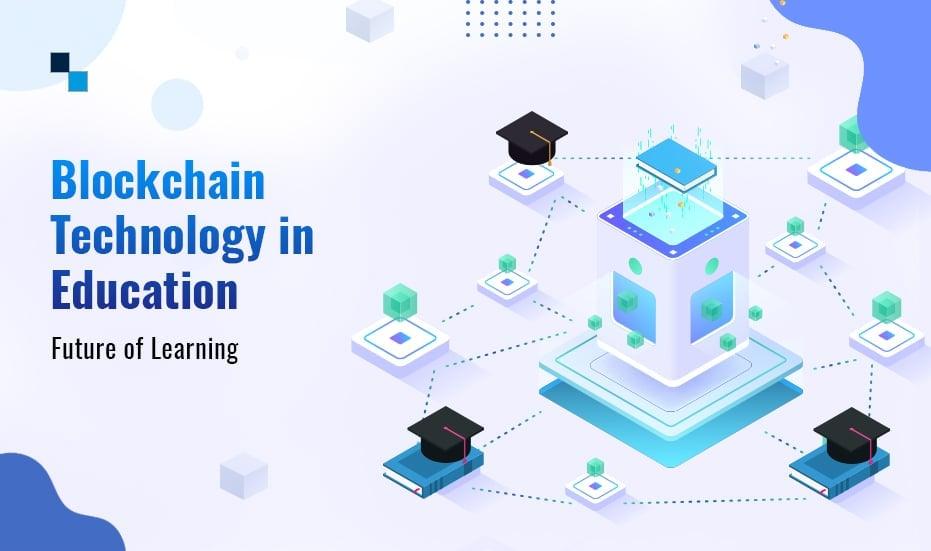
Unlocking Innovation: Case Studies on Blockchain Transforming Higher Education
Blockchain technology is no longer just a buzzword in the world of finance.It’s rapidly gaining traction across many industries—including higher education. The adoption of blockchain in higher education is unlocking new avenues for secure data management,transparent processes,and innovative learning experiences. In this comprehensive article, we’ll explore how blockchain is transforming universities and colleges globally, backed by real-world case studies, proven benefits, and practical implementation tips.
Introduction: The Rise of Blockchain in Higher Education
As higher education institutions strive to provide more flexible and future-oriented learning environments, blockchain technology offers a decentralized solution to enhance efficiency and integrity. From securing student records to issuing verified digital diplomas, the uses of blockchain in higher education are reshaping traditional paradigms.But what does blockchain in education look like in practice? Let’s dive into the key areas of conversion.
Why Blockchain in Higher Education?
The core of blockchain technology lies in its decentralized, tamper-proof ledger system. For higher education institutions, this means:
- Secured and immutable student records
- Reduced administrative burden through automation
- Elimination of degree and certificate fraud
- Streamlined credit transfer processes across borders
From digital credentialing to transparent funding allocation, the innovative potential is huge.But what does this look like in practice? Let’s explore some pioneering case studies.
blockchain in Higher education: Real-World Case Studies
1. MIT: Pioneering Blockchain-based Digital Diplomas
The Massachusetts Institute of Technology (MIT) is at the forefront of blockchain adoption in higher education. In 2017, MIT began offering graduates the option to receive blockchain-powered digital diplomas through the Blockcerts platform. These digital credentials are:
- permanently recorded on the blockchain
- Easily shareable with employers around the globe
- Nearly impractical to forge or alter
This innovative system not only minimizes the risk of academic credential fraud but also streamlines verification, saving time and cost for both graduates and hiring organizations.
2. University of Nicosia: Blockchain-based Course Certificates
Known for its proactive stance toward blockchain technology, the University of Nicosia in Cyprus was the world’s first university to offer a Master of Science in Digital Currency. They also issue “Academic Certificates on the Blockchain,” ensuring:
- instant verification of qualifications
- Global accessibility
- Integrity of academic records.
This transparent system enhances trust and fosters global recognition for students seeking international opportunities.
3. University of Melbourne: Secure Management of Academic Records
The University of Melbourne is another early adopter, using blockchain to issue micro-credential certifications. Their system makes it easy for students to manage, share, and validate credentials securely—all stored in digital wallets.
4. Sony Global Education: Blockchain Platform for Education Institutions
Sony Global Education, in partnership with IBM, launched a blockchain-based platform enabling educational institutions to share, secure, and authenticate student records. This platform:
- Supports seamless credit transfers between institutions
- Encourages collaboration among global universities
- Protects sensitive data while maintaining accessibility
Such large-scale adoption demonstrates blockchain’s potential for transforming how student data is shared and verified across institutions.
“Receiving my diploma through blockchain was seamless. I was able to share it with employers instantly, and everyone coudl verify it’s authentic—no extra paperwork.”
— Jane Doe, MIT Graduate, Class of 2021
Key Benefits of Blockchain in Higher Education
Blockchain’s adoption offers numerous advantages for students, faculty, and administrators, including:
- Enhanced Transparency: Every transaction or update is recorded and time-stamped, promoting trust.
- Security and Privacy: Data encryption and decentralized storage protect sensitive student details.
- Improved Efficiency: Automated processes, such as transcript verification and degree issuance, reduce human error and administrative workload.
- Global Recognition: Digital credentials simplify international applications and recognition of qualifications.
- Cost Reduction: Minimizes paperwork and lowers verification expenses for institutions and graduates alike.
Practical Tips for Implementing Blockchain in Higher education
For universities and colleges considering the leap into blockchain innovation,here are actionable steps and best practices:
- Start Small: Pilot blockchain with micro-credentials or specific departments before campus-wide rollouts.
- Choose the Right Platform: Engage with reliable blockchain providers familiar with education sector needs (e.g., Blockcerts, IBM Blockchain).
- Engage Stakeholders: Collaborate with students, faculty, IT staff, and industry partners for a holistic implementation.
- Prioritize Security: Ensure robust encryption and comply with data privacy regulations like GDPR.
- Promote Blockchain Literacy: Educate the campus community on the benefits, process, and security of blockchain credentials.
- Monitor and Evaluate: Continuously assess the system’s efficiency, utilization, and areas for advancement.
Challenges and Considerations
While the benefits are compelling, implementing blockchain in higher education isn’t without hurdles:
- technical Complexity: Setting up blockchain systems requires specialized expertise.
- Integration Issues: Ensuring seamless compatibility with legacy systems can be challenging.
- Regulatory Compliance: Adhering to local education and data protection laws is crucial.
- Cost and Investment: Initial setup and training can require important investment.
Despite these challenges, early adopters have demonstrated that the right planning and partnerships can yield strong, scalable results.
Conclusion: Embracing the Future of Higher Education
The integration of blockchain technology in higher education is more than a technological upgrade—it’s a paradigm shift towards transparency, security, and global opportunity. From MIT’s digital diplomas to nationwide efforts in cyprus, these case studies prove that blockchain is already shaping the future of universities and colleges.
As the educational landscape continues to evolve, institutions willing to embrace innovation will set the new standard for credibility and student empowerment.
Are you ready to unlock innovation with blockchain in yoru educational institution?
Related Articles:
- How Blockchain Secures academic Credentials
- The Future of EdTech: Emerging Trends
- Digital Transformation in Higher Education: Best Practices