
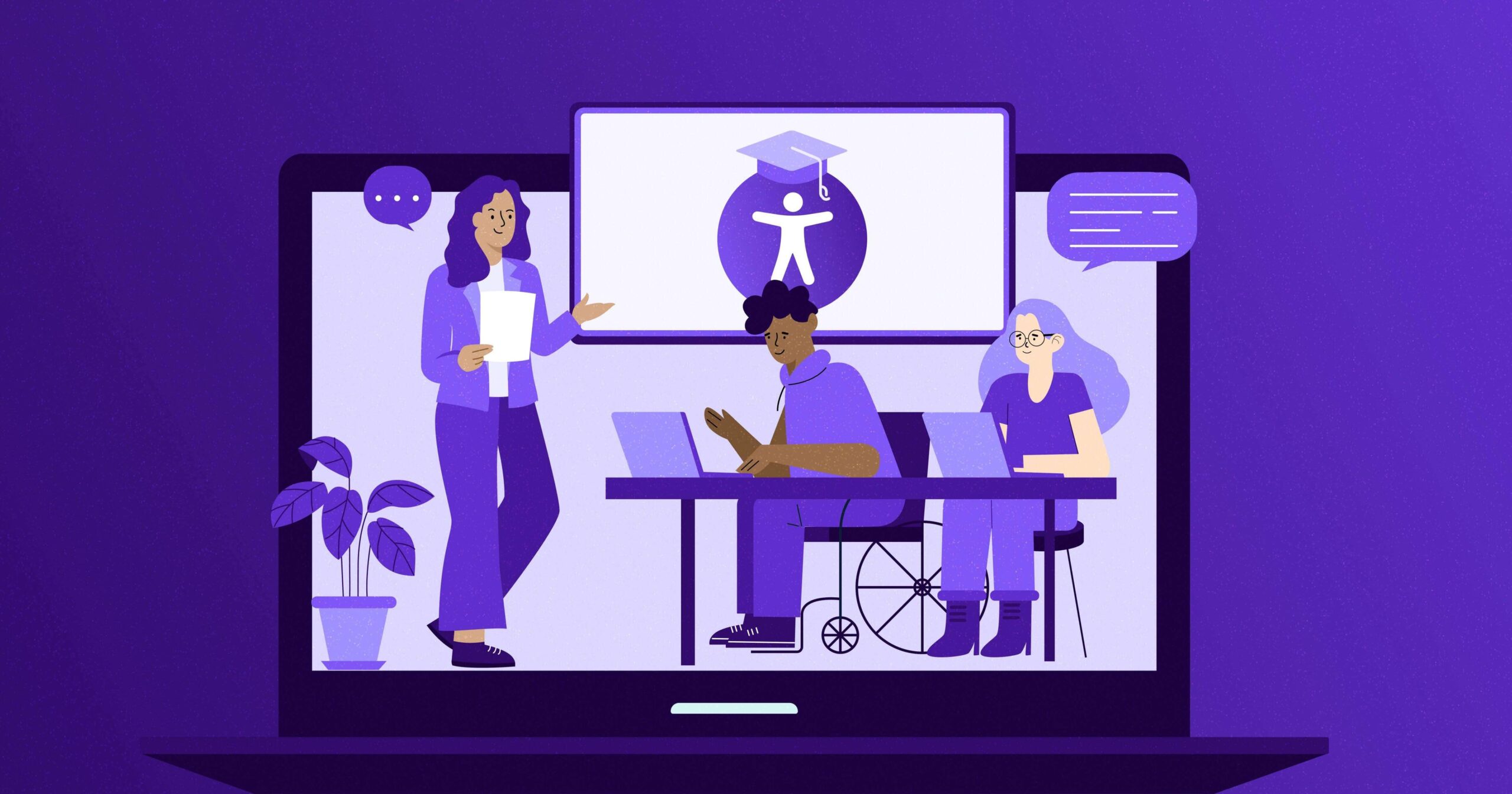
Unlocking Insight: Student Perspectives on Online Learning Experiences
Online learning has dramatically transformed teh educational landscape, offering unprecedented accessibility, flexibility, and customized learning pathways. As institutions shift towards digital classrooms, listening to student perspectives on online learning experiences becomes vital in creating engaging, effective, and rewarding learning environments. In this extensive article, we’ll delve into what students genuinely think about online education, explore its benefits and challenges, and share practical tips and real-life feedback to help learners and educators alike unlock the full potential of virtual education.
The Rising Popularity of Online Learning
With the rapid adoption of technology in education, online learning has become mainstream for students across the globe.from K-12 to higher education, virtual classrooms now cater to diverse learning needs, enabling students to connect, participate, and collaborate nonetheless of their physical location.
- according to a 2023 Statista report, over 67% of college students have taken at least one online course.
- Flexibility, self-paced study, and access to a wider range of courses are cited as primary motivators for choosing online learning.
Key Benefits: Why Students Appreciate Online Learning Experiences
student feedback reveals several distinct advantages of online education. here are the most commonly noted benefits:
1. Flexibility and Convenience
- Learn Anywhere, Anytime: Students can access study materials and attend virtual classes from the comfort of their home or any location with internet connectivity.
- Self-Paced Learning: Many online courses allow learners to progress at their own pace, accommodating different learning speeds and schedules.
2. Enhanced Digital Skills
- Participating in online learning environments strengthens students’ technical skills in using educational technology – an essential asset in today’s digital-first world.
3.Wider Access to Resources
- Students enjoy instant access to a wealth of digital libraries, recorded lectures, interactive assignments, and educational tools.
4. Improved Time management
- Managing one’s own schedule and coursework helps students develop critical organizational and time-management abilities.
Student Challenges: Navigating the Realities of online Learning
While online education brings many advantages, students also encounter challenges unique to virtual learning platforms. Understanding these obstacles is crucial for improving the online learning experiance.
1. Lack of Face-to-Face Interaction
- Many students miss the spontaneity and connection of in-person discussions and collaboration.
- Building relationships with instructors and peers can be more arduous digitally.
2. Motivation and Self-Discipline
- Online learning demands higher levels of self-motivation and discipline,which some students struggle to maintain consistently.
3. Technical Barriers
- Reliable internet access and compatible devices are prerequisites. Not all students have equal access to necessary technology.
4. limited Immediate Feedback
- Online platforms can sometimes delay responses to student questions, leading to confusion and stalled progress.
Practical Tips to Enhance Online Learning Experiences
With the right strategies, students can maximize their online learning success. Here are proven tips, shared directly from learners:
- Create a Dedicated Study Area: Designate a quiet, distraction-free space for attending classes and completing assignments.
- Schedule and Structure: use planners or digital calendars to organize your coursework, deadlines, and study times.
- Engage Actively: Participate in virtual discussions, collaborate on group work, and reach out for help if needed.
- Leverage Tech Tools: Utilize apps for note-taking, time-tracking, and task management to boost productivity.
- Foster Connections: form study groups, join forums, and network with peers to build a sense of community.
- Prioritize Well-being: schedule breaks,maintain healthy routines,and seek support when experiencing stress or burnout.
Case Studies: Student Perspectives on Online Learning Experiences
Let’s explore real-world insights from students navigating online education in different contexts.
Case Study 1: Emma’s Journey as a University Student
“Transitioning to online courses during the pandemic was challenging initially.The flexibility helped me balance a part-time job and studies, but it was tough staying focused without regular class schedules. Forming virtual study groups with classmates made a huge difference, both academically and for my morale.”
Emma’s experience echoes the importance of structure and community, even in online environments.
Case Study 2: Ravi’s Perspective as a High School Learner
“I loved being able to review recorded lessons at my own pace, especially for tough subjects. Though, I needed extra support when I didn’t understand somthing, and sometimes it took a while to get answers from teachers online.”
Ravi’s story highlights the value of flexible content alongside the need for accessible instructor support.
Case Study 3: shared Feedback from Adult Learners
“As a working professional, online learning gave me the possibility to upskill without impacting my job. The challenge was balancing family commitments and coursework, but tools like online forums and chat supports helped bridge the gaps.”
For adult learners, online education offers career advancement, though it demands effective time management and familial support.
Optimizing Online Learning for Student Success
Based on these authentic perspectives, how can educators and institutions further enhance the online learning experience?
- Regular Check-ins: Frequent communication between instructors and students ensures questions are answered and progress is monitored.
- Interactive Content: Incorporating multimedia, quizzes, and gamification engages learners and enhances understanding.
- Accessibility and Inclusivity: Offering content in multiple formats supports diverse learning needs and reduces technical barriers.
- Community Building: Fostering social interaction through online clubs, forums, and group projects combats isolation and builds camaraderie.
Conclusion: Empowering Students in Online Learning
Online learning is here to stay, continually evolving to meet the changing needs of students. By listening to student perspectives,educators can craft digital environments rooted in accessibility,engagement,and support.From flexible schedules to growing digital literacy, the benefits are transformative—but recognizing and addressing existing challenges ensures no learner is left behind.
Whether you’re a student seeking to make the most of your virtual classroom or an educator striving to improve online education delivery, embracing feedback and best practices will unlock insight and propel everyone toward academic success. The future of education is digital, and together, we can create online learning experiences that are not only effective but truly inspiring.
if you found these student perspectives on online learning experiences insightful, share this article with others and join the conversation. What’s your most valuable tip for thriving in a virtual classroom?