
unlocking Knowledge: The Future of Augmented Reality in Textbooks
In recent years,augmented reality in textbooks has rapidly emerged as one of the most innovative trends redefining education. Combining interactive technology with traditional learning materials, augmented reality (AR) textbooks promise to revolutionize how students absorb, engage with, and apply knowledge. This article explores the future of AR in textbooks, highlighting key benefits, practical applications, real-world case studies, and tips for seamless integration in classrooms.
Understanding Augmented Reality in Education
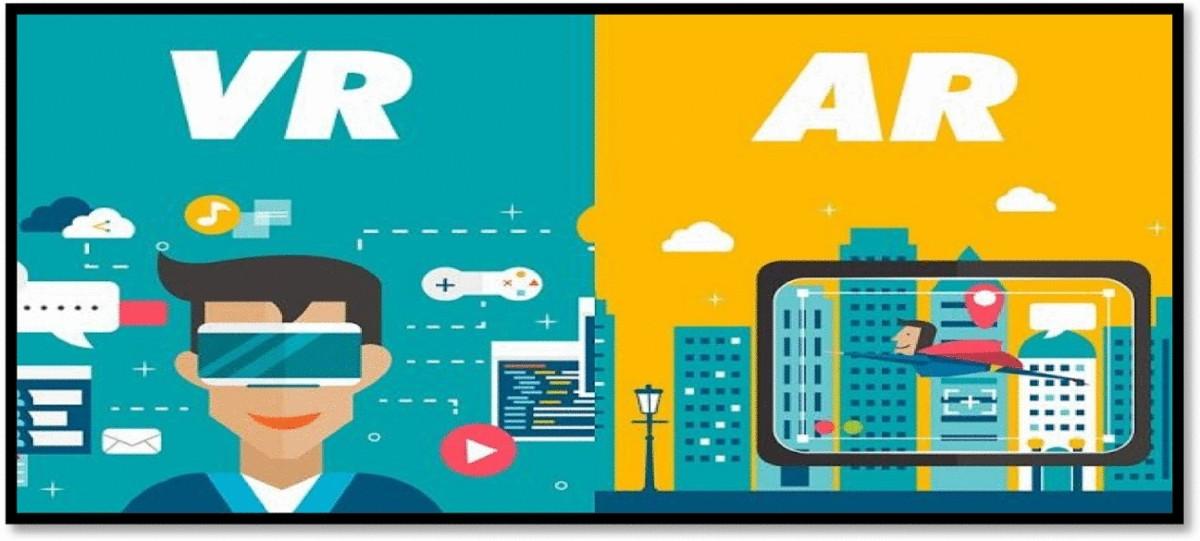
Augmented reality overlays digital elements onto a real-world surroundings using devices like smartphones, tablets, or AR glasses. In the context of education, AR transforms static textbook content into dynamic, interactive experiences by embedding multimedia objects, 3D models, animations, and real-time data into lessons.
- AR in textbooks enables visualizing complex concepts that traditional 2D images cannot convey.
- Students can interact with learning materials, encouraging deeper understanding and retention.
- Teachers benefit from new ways to illustrate themes and assess student engagement.
how Augmented Reality is Transforming Textbooks
The fusion of AR and traditional textbooks is creating a new category known as interactive textbooks or AR-enhanced textbooks. Here’s how augmented reality is reshaping learning:
1. Making Learning Immersive and Engaging
Augmented reality in textbooks enriches the static content by allowing students to explore 3D models, interactive timelines, and virtual experiments. This immersion turns learning into a hands-on, visual experience.
2. Bridging Abstract Concepts with Real-World Applications
Subjects like chemistry, physics, and biology benefit immensely from AR. Imagine visualizing the molecular structure of a chemical compound, or witnessing a cell replicate through an animated 3D model right on the page. These experiences help bridge gaps between theory and practice.
3. Personalized and Adaptive Learning
AR technology enables personalized content delivery based on learner pace. Through quizzes and adaptive exercises embedded within textbooks, students can receive instant feedback and customized guidance.
4. Enhanced Accessibility and Inclusivity
AR can make textbooks more accessible by integrating audio descriptions, language transitions, and supportive tools for visually or cognitively impaired learners.
Key Benefits of AR-Enhanced Textbooks
- Boosts student Engagement: Interactive elements maintain student interest and participation.
- Improves Retention: Visual and practical exposure to information supports better memorization.
- Encourages Collaboration: Many AR applications include group activities,fostering teamwork and interaction.
- Simplifies Complex Topics: 3D models and simulations break down intricate topics into digestible segments.
- Real-Time Assessment: Teachers can monitor progress through embedded quizzes and analytics.
- Accessible Learning: Supports multi-sensory learning and accommodates diverse student needs.
- Cost-Effective: Updates made to AR content are instant and frequently enough cheaper than reprinting conventional textbooks.
Case Studies: AR in Action in the Classroom
1. Pearson’s AR Textbook Initiatives
Pearson, a leading educational publisher, has developed several AR-enabled textbooks. Such as, their biology textbooks allow students to scan images and interact with organ systems or cellular processes through animated overlays. The result: increased engagement and improved test scores.
2. Google Expeditions
Google Expeditions lets students explore historical landmarks, the human body, and even outer space through AR integrated into their textbooks and devices. Classrooms using Expeditions report higher levels of motivation and curiosity among learners.
3. First-Hand Experience: A High School Physics Class
In a pilot program, a high school in California adopted AR-enhanced textbooks for physics. Students could visualize and manipulate force diagrams, projectile motions, and energy cycles. Teachers observed deeper comprehension, increased participation, and improved final grades.
Practical Tips for Implementing AR in Textbook Learning
- Choose Reliable AR-Enabled Textbooks: Opt for publishers and platforms with a proven track record in education technology and AR content.
- Provide the Right Devices: Ensure students have access to compatible tablets or smartphones. Some schools partner with local businesses or use grant funding to equip classrooms.
- Start with Pilot Programs: Begin AR integration in a few classes before school-wide adoption. Gather feedback from students and teachers for continuous advancement.
- Train educators: Offer training sessions to help teachers understand and maximize the use of AR features in textbooks.
- Encourage Collaborative projects: Leverage AR’s interactive nature to facilitate group projects and experiments.
- Promote Safe and Responsible Use: Educate students about screen time, privacy, and ethical use of AR apps.
Challenges and Future Directions
Implementing augmented reality in textbooks has its challenges:
- Device Availability: Not all schools or students have easy access to the latest AR-compatible technology.
- Training Barriers: Both teachers and students need ongoing support to use AR tools effectively.
- Content Standardization: Publishers must align AR content with curricula and evolving educational standards.
- Cost concerns: Initial investments in devices and software can be high, though long-term savings are likely.
Despite these hurdles, rapid advancements in AR, falling device costs, and growing awareness are paving the way for widespread adoption. Plus, as 5G and cloud-based services expand, real-time AR streaming and collaborative projects will become mainstream.
The Role of WordPress and EdTech in AR Textbooks
Web platforms like WordPress play a crucial role in curating and sharing AR educational content. With WordPress-compatible plugins and custom CSS, educators and publishers can:
- Embed AR demonstrations directly into digital textbook pages.
- Provide teachers with access to an evolving library of AR lessons and multimedia content.
- seamlessly integrate feedback forms, analytics, and forums for collaborative AR learning communities.
for schools and educators seeking to implement augmented reality in textbooks, leveraging popular content management systems ensures easy content updates, accessibility, and scalability.
The future Outlook: What’s Next for AR in Textbooks?
As technology continues to improve,the future of AR in education looks exceptionally bright. Experts anticipate:
- Increased Adoption: More schools and publishers will make AR an intrinsic part of textbooks due to its proven educational value.
- AI-Enhanced Personalization: Integration of artificial intelligence will provide smarter, personalized learning experiences within AR textbooks.
- Expanded STEAM Applications: Subjects like art,music,and engineering will benefit from immersive AR content.
- Global Collaboration: AR will facilitate real-time group projects and exchanges across classrooms worldwide.
conclusion: Embracing the Next Chapter in Learning
The integration of augmented reality in textbooks is no longer a futuristic vision—it’s rapidly becoming an educational reality. By unlocking knowledge through immersive, interactive, and personalized digital experiences, AR is enhancing student engagement, deepening understanding, and shaping lifelong learners.
As challenges are addressed and technology advances, educators, publishers, and students stand to benefit immensely from this transformative approach. It’s time to embrace the next chapter in learning by harnessing the full potential of AR-powered textbooks and unlocking a world of knowledge for all.