
Unlocking Learning Analytics: Essential Skills and Career Pathways for Data Engineers in Educational Technology
Introduction: The Rising Demand for Data Engineers in EdTech
The world of education is rapidly evolving, with universities, colleges, and schools embracing technology to enhance teaching and learning. At the heart of this digital transformation is learning analytics—the science of collecting, analyzing, and interpreting educational data to improve student outcomes. For job seekers passionate about technology and education, pursuing a career as a data engineer in educational technology offers an exciting opportunity to shape the future of learning. In this article,you’ll discover the essential skills,career pathways,and benefits of forging your path as a data engineer in the dynamic field of learning analytics.
What is Learning Analytics? A Brief Overview
learning analytics refers to the process of measuring, collecting, analyzing, and reporting data about learners and their contexts. The primary goal is to understand and optimize learning environments, personalize student experiences, and support informed decision-making by educators and administrators.
- Data Sources: Learning management systems (LMS),online courseware,assessment tools,attendance records,and more.
- Key Metrics: Student engagement, retention rates, performance trends, and participation analytics.
- End Users: teachers, academic advisors, curriculum designers, and institutional leaders.
As the volume and complexity of educational data grow, so does the need for skilled data engineers to develop robust data pipelines and infrastructures that underpin effective learning analytics.
Data Engineer Roles in Educational Institutions
Data engineers in education technology play a pivotal role in unlocking the full potential of learning analytics. Whether at a university,college,or school,their work transforms raw data into actionable insights that fuel student success and institutional advancement.
Typical Responsibilities
- Designing and optimizing scalable data architectures for educational settings
- Building and maintaining secure ETL (Extract, Transform, Load) pipelines for learning data
- Integrating data from various sources—LMS, SIS (Student Information Systems), and digital platforms
- ensuring data quality, privacy, and compliance with regulations such as FERPA and GDPR
- Collaborating with data scientists, IT teams, and education leaders to deliver analytics solutions
As educational organizations prioritize data-driven strategies, data engineers have become indispensable members of multidisciplinary EdTech teams.
Essential skills for Data Engineers in Learning Analytics
To thrive in the realm of educational technology, aspiring data engineers should cultivate a robust set of technical and soft skills tailored to the unique challenges of analyzing learning data.
Core Technical Skills
- Programming Languages: Proficiency in Python, SQL, and Java is paramount for building data solutions.
- Data Warehousing: Familiarity with tools like Amazon Redshift, Google BigQuery, or Snowflake for scalable storage.
- ETL Progress: Experience with data pipeline frameworks such as Apache Airflow or Talend.
- Cloud Computing: Knowledge of AWS, Azure, or Google Cloud to support cloud-based EdTech infrastructures.
- API integration: Ability to connect educational systems like LMS or SIS through RESTful APIs.
- Data Privacy & Security: Understanding of compliance standards and implementation of data protection best practices.
Valuable Soft Skills
- Problem-Solving: Diagnosing and resolving data discrepancies efficiently.
- Collaboration: Working with educators, administrators, and fellow technologists toward shared goals.
- Dialog: Translating complex data concepts into actionable insights for non-technical stakeholders.
- Continuous Learning: Keeping up with advancements in both data engineering and educational technology.
Recommended Certifications & Courses
- Microsoft Certified: Azure Data Engineer Associate
- Google Cloud Professional Data Engineer
- Certified Data Engineer (various platforms and course providers)
- MOOCs on Data Engineering, EdTech, and Learning Analytics
Career Pathways: How to Become a Data Engineer in Education Technology
The path to becoming a data engineer in learning analytics is dynamic, welcoming professionals from various backgrounds. While many traditional data engineers transition from computer science or IT roles,there are several tailored steps for those targeting the EdTech sector.
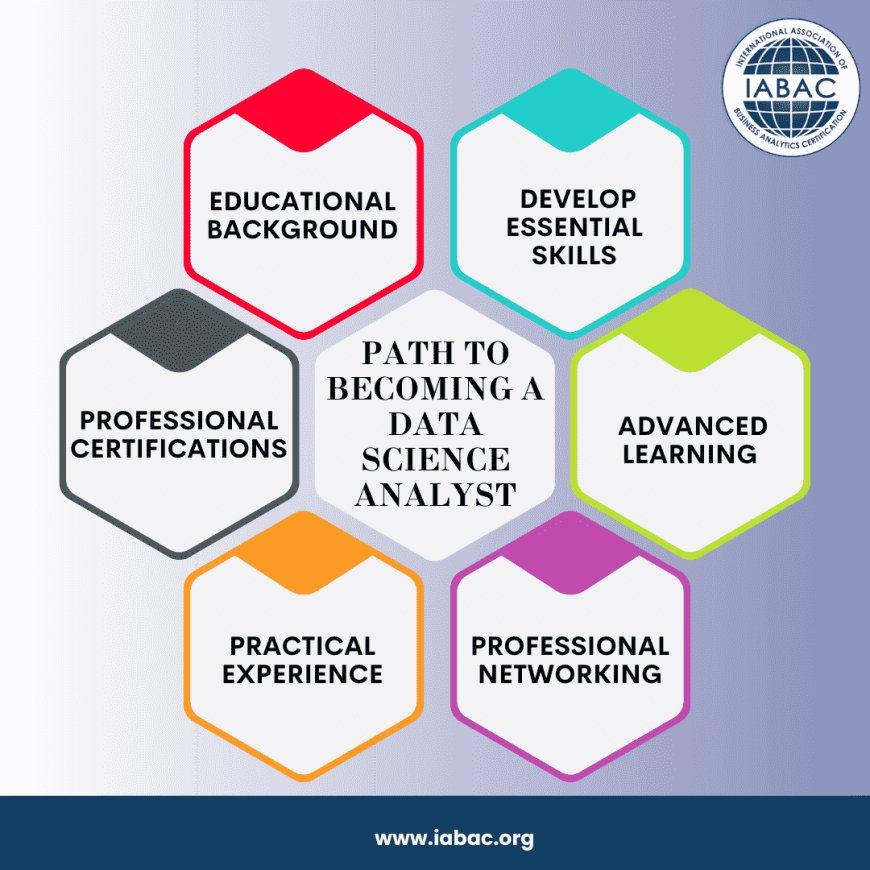
Step-by-Step Career Pathway
- Obtain a Relevant Degree: Pursue a bachelor’s or master’s in computer science,data science,information technology,or educational technology.
- Build Technical Foundations: Gain hands-on experience in programming, databases, and cloud computing through coursework, internships, or freelance projects.
- Specialize in Educational Systems: Familiarize yourself with EdTech platforms like Moodle, Canvas, or Blackboard and understand educational data formats.
- Develop a Learning Analytics Portfolio: create sample data pipelines or dashboards using anonymized educational datasets to showcase your skills.
- Gain Relevant Work Experience: Start with entry-level data roles at schools, research institutes, or EdTech vendors to build industry-specific expertise.
- Pursue Ongoing Professional Development: Attend EdTech and data conferences, join professional networks, and keep up-to-date with evolving technologies.
Alternative Entry Routes
Professionals with a background in education—such as teachers with coding skills—can pivot into data engineering by upskilling through relevant bootcamps and certifications. Likewise, experienced IT specialists can transition into EdTech by developing domain knowledge in learning analytics.
Benefits of Working as a Data Engineer in Learning Analytics
A career in learning analytics as a data engineer offers unique advantages that go well beyond the typical perks of tech roles. Here’s what makes EdTech an attractive industry for data engineers:
- Meaningful impact: Directly contribute to improving educational outcomes and supporting learner success.
- Job Security: The increasing focus on data-driven decision-making in education ensures sustained demand for data engineering talent.
- Innovation Opportunities: Work with the latest technologies to solve complex,real-world problems in learning environments.
- Collaborative Culture: Engage with educators, researchers, and technologists in dynamic, mission-driven teams.
- Career Growth: Pathways to data architect, analytics lead, or even Chief Data Officer for those with vision and experience.
Practical Tips for Aspiring Data Engineers in EdTech
- Stay Current: Subscribe to leading EdTech and data engineering publications and keep tabs on the latest trends in learning analytics.
- Network Proactively: Join industry forums, attend virtual meetups, and connect with education technology professionals on professional networking platforms.
- Develop a Niche: Specialize in areas such as adaptive learning, predictive analytics, or data visualization to distinguish yourself in the job market.
- Contribute to Open Source: Participate in EdTech or data analytics open-source projects to expand your portfolio and credibility.
- Prepare for Interviews: brush up on both technical assessments and scenario-based questions relevant to educational data.
Conclusion: Unlock Your edtech Data Engineering Career
The intersection of technology and education is an inspiring place to build a career—one where your data skills can make a measurable difference in people’s lives. As a data engineer specializing in learning analytics, you’ll be well-positioned to drive innovation and student success while enjoying considerable professional growth. Whether you’re a seasoned data professional seeking new purpose or a tech-savvy educator ready for a transition, now is the perfect time to explore the enriching world of education technology.
If you’re passionate about unlocking the potential of educational data and shaping the future of learning,a role as a data engineer in EdTech could be your next great adventure.