
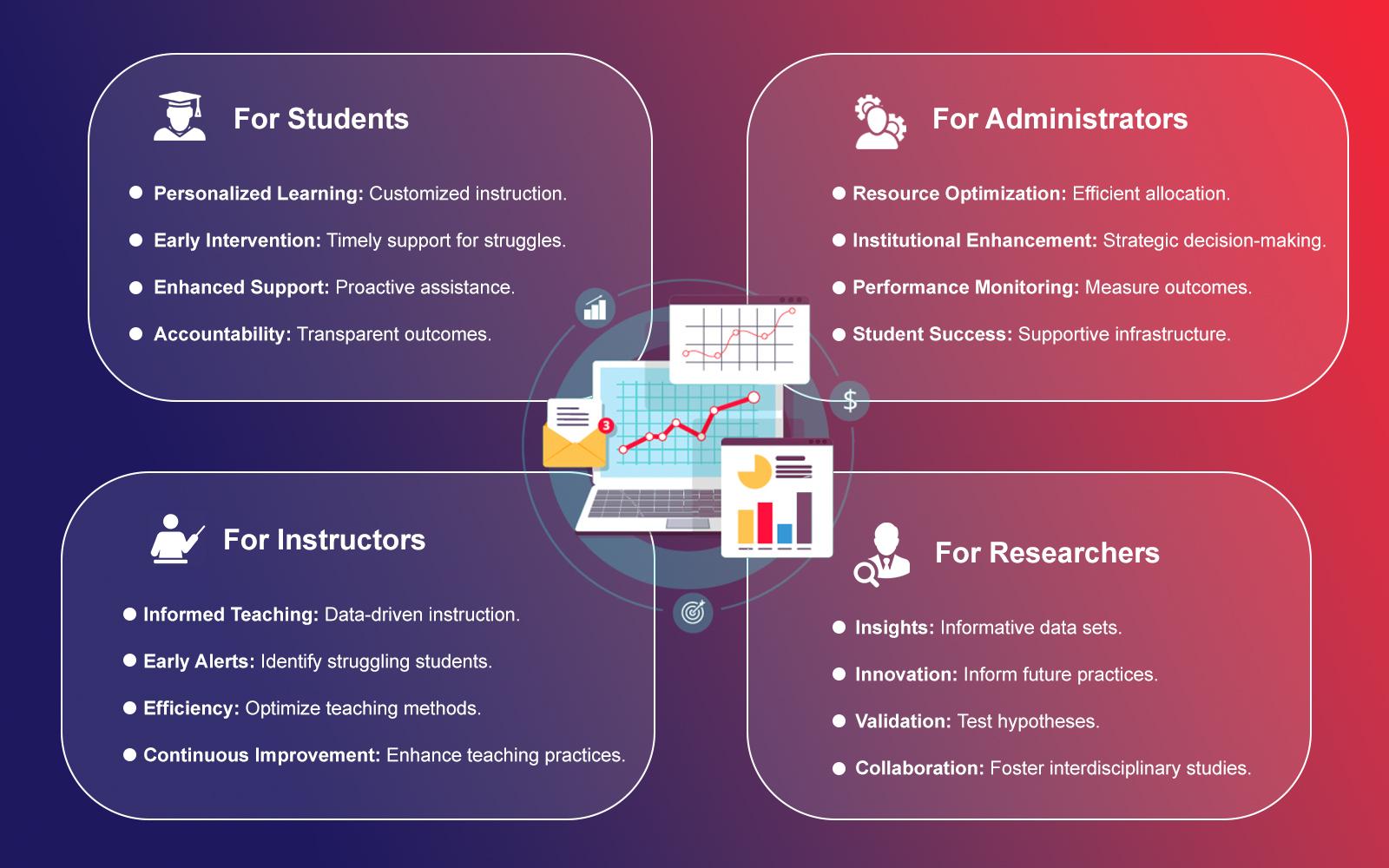
Unlocking Learning Analytics: The Key Role of a data Engineer in Education Insights
Education technology is rapidly transforming modern classrooms, universities, and colleges. Among the many careers shaping this revolution, the role of a data engineer stands out as a cornerstone for generating actionable learning analytics and driving data-driven decision-making in education. If you are a job seeker drawn to the intersection of technology and education, understanding how data engineering powers education insights could be your pathway to an impactful and rewarding career.
Introduction: The Vital Connection Between Data Engineering and Learning Analytics
As educational institutions strive to personalize learning experiences, increase student retention, and improve educational outcomes, the demand for robust learning analytics has never been greater. Learning analytics—the process of collecting, measuring, and analyzing data about learners—relies on high-quality, reliable data. At the heart of these efforts are data engineers, the professionals responsible for designing, building, and maintaining the infrastructure that turns raw data into meaningful educational insights.
What Does a Data Engineer Do in Education Technology?
Within schools, colleges, and universities, data engineers play a pivotal role in enabling technology-driven instruction and assessment.Their responsibilities, while technical, directly impact how educators and administrators use data to enhance teaching and learning. Hear’s what a typical data engineer does in the education sector:
- Architecting Data Systems: Design and implement scalable data infrastructures (data lakes, warehouses, ETL pipelines) for storing and processing large volumes of educational data.
- Data Integration: Connect disparate systems such as learning management platforms, student data systems, and virtual classrooms to consolidate data streams.
- Data Cleaning & Conversion: Standardize,sanitize,and validate raw data so it can be reliably used for analytics and reporting.
- Supporting Learning Analytics: Provide structured data for advanced analytics, dashboards, and machine learning models that power personalized education and predictive insights.
- Maintaining Data Security & Privacy: Implement measures to safeguard sensitive student and institutional data,ensuring compliance with education-specific regulations.
Core Skills Required for Data Engineering Jobs in education Technology
To succeed as a data engineer in education, you will need:
- Proficiency with programming languages like Python, SQL, and Java/Scala
- Experience with data architecture and distributed systems (e.g.,Hadoop,Spark,AWS,Azure)
- understanding of database management (relational and NoSQL)
- Data visualization skills (using tools like Tableau,Power BI)
- Familiarity with education standards (such as xAPI,LTI) and data privacy regulations (like FERPA,GDPR)
Why Data Engineers are Key to Unlocking Education Insights
The explosion of digital tools in education—from online quizzes to adaptive learning platforms—generates vast amounts of data. But this data is only as valuable as the insights that can be extracted from it. Here’s why data engineers are indispensable:
- Bridging Gaps: Data engineers connect isolated data sources, providing a unified and holistic view of student engagement, performance, and progression.
- Enabling Real-Time Analytics: Thay design robust pipelines that empower administrators and faculty to monitor learning in real time, making data-driven interventions possible.
- Supporting Research: With clean, accessible data, institutional researchers and instructional designers can identify patterns, test hypotheses, and publish findings that contribute to better educational practices.
- Scalability: As institutions scale their online offerings, data engineers ensure analytics platforms can handle increasing user numbers and data complexity, supporting national or even global education initiatives.
The Growing Demand for Data Engineers in Higher Education and Schools
Universities and schools are increasingly recognizing the strategic importance of leveraging data to:
- Enhance student retention and success through predictive analytics
- Identify at-risk students with early warning systems
- Inform curriculum redesign and instructional effectiveness
- Meet regulatory reporting and quality assurance standards
With the proliferation of edtech solutions and digital-first learning, data engineer roles are rapidly expanding across both K12 and postsecondary sectors. These positions offer strong job security, competitive compensation, and a sense of mission—helping learners succeed at all levels.
Benefits of Becoming a Data Engineer in Education Technology
If you are considering a data engineering career in education, here are some compelling advantages:
- impactful Work: Directly improve educational outcomes and student success with your technical skills.
- Continuous Learning: Stay at the cutting edge of analytics,big data technologies,and educational research.
- Versatile Career Path: Data engineering skills are transferable across sectors, but working in education adds the satisfaction of social impact.
- Collaboration: Work closely with data scientists, instructional designers, faculty, and administrators in a dynamic, interdisciplinary surroundings.
- remote and Flexible Opportunities: Many institutions and edtech companies offer hybrid or fully remote data roles,giving you greater flexibility.
How to Start Your Career as a Data Engineer in Education
Breaking into data engineering for educational institutions doesn’t necessarily require years of prior experience in academia. Here are practical steps to get you started:
- build Strong Technical Foundations:
- Gain proficiency in relevant programming languages (Python, SQL)
- Learn about data pipeline tools, cloud platforms, and data warehousing
- Familiarize Yourself with Education Technology:
- Explore learning management systems (e.g., Canvas, Moodle)
- Understand education-specific data formats and standards (xAPI, LTI)
- Get Hands-On with Educational Data:
- Work on sample projects using open datasets (such as student performance or attendance data)
- Build dashboards and analytics tools tailored to education scenarios
- Pursue Further Learning and Certification:
- Consider data engineering certifications from cloud providers (AWS, Google cloud, Azure)
- Look into specialized courses on learning analytics or educational data mining
- Network and engage with the Community:
- Connect with edtech professionals via conferences, webinars, or online forums
- Contribute to open-source education projects or edtech hackathons
- Tailor Your Application:
- Highlight relevant experience (even from non-education sectors) and emphasize your passion for making a difference in learning
- Prepare portfolios that showcase your data pipelines, dashboards, and analytics relevant to education settings
Key Keywords to Use in Your Job Search
Boost your job search by targeting these keywords:
- Data Engineer in Education Technology
- Learning Analytics Engineer
- EdTech Data Engineering Jobs
- K12 Data Engineer
- Higher Education Data Infrastructure
- Educational Data Scientist (for roles blending engineering and analytics)
Real-World Tools and Technologies Used by Data Engineers in Education
To be successful as a data engineer in the education sector, proficiency in the following tools is highly beneficial:
- ETL Platforms: Apache Airflow, Talend, Informatica
- Big Data Frameworks: hadoop, Apache Spark, databricks
- Databases: MySQL, PostgreSQL, MongoDB, Google BigQuery
- Cloud Services: AWS Redshift, Azure Data Lake, Google Cloud Storage
- Visualization Tools: Tableau, Power BI, Looker
Additionally, familiarity with API integration and real-time data processing frameworks is increasingly sought-after as educational platforms move toward more interactive and immediate forms of analytics.
Conclusion: Become a Catalyst for Data-Driven Educational Transformation
For those seeking a meaningful and forward-thinking career, the role of a data engineer in education technology offers the perfect blend of technical challenge and social impact. By building the data pipelines that power learning analytics, you empower schools, colleges, and universities to make smarter, evidence-based decisions and personalize education for every learner.
As more institutions invest in technology-driven instruction, the demand for skilled data engineers will only continue to grow. By sharpening your technical skills, deepening your understanding of educational needs, and actively engaging with the edtech community, you can position yourself as an essential contributor to the future of education. If you’re ready to help unlock the full potential of data in learning, there’s never been a better time to explore a data engineering role in education insights.