
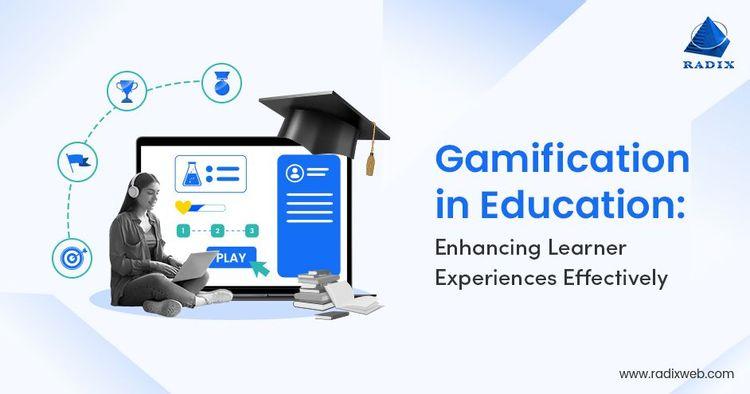
Unlocking Learning: How to Integrate Gamification into Standard Curricula Successfully
Gamification in education has rapidly gained traction as a dynamic and effective approach to enriching classroom learning. By weaving game-based elements into conventional teaching, educators can foster better engagement, motivation, and retention among students. But how can schools and educators effectively integrate gamification into standard curricula without compromising educational rigor or learning objectives? In this complete guide, we’ll explore the benefits, proven strategies, and real-world examples of gamification in education, empowering you to unlock deeper learning in your classroom or institution.
What Is Gamification in Education?
Gamification refers to the process of applying game-design elements such as points, badges, leaderboards, and challenges to non-game contexts—in this case, school curricula. Unlike pure ‘game-based learning,’ which uses full educational games to teach concepts, gamification augments traditional activities with playful mechanics that incentivize learning and participation.
- Points and Rewards: Students earn points or rewards for completing tasks,encouraging effort and progress.
- Levels and Progression: Advancing through levels can mirror curriculum complexity and skill progress.
- Badges and Achievements: Visual recognition for milestones boosts confidence and goal-setting.
- Leaderboards: Healthy competition can spark motivation and collaboration.
- Storytelling & Narrative: Engaging narratives transform lessons into immersive adventures.
The Benefits of Integrating Gamification into Standard Curricula
Why invest in gamified education? Schools and universities worldwide are integrating gamification for these compelling reasons:
1. Enhanced Student Engagement
Gamification transforms passive learning into active participation,making lessons more interactive and enjoyable. Students are more likely to stay focused and complete assignments when motivated by game mechanics.
2.Improved Knowledge Retention
Research indicates that learners retain information better when emotional and cognitive engagement is high. Completing tasks, earning badges, or unlocking new levels helps reinforce subject mastery.
3. Personalized Learning Pathways
Game elements can be tailored to individual abilities and learning styles, allowing students to progress at their own pace and choose how they approach challenges.
4. Fostering Collaboration and Teamwork
Group-based competitions and cooperative games teach essential social skills and promote a supportive,collaborative classroom culture.
5.Real-Time Feedback
Instant feedback through points or progression helps students recognize areas for enhancement quickly, guiding their study efforts more effectively.
Practical tips to Successfully Integrate Gamification into Standard Curricula
Want to unlock the full potential of gamification in education? Here’s how to do it effectively:
1. Align Game Elements with Learning Objectives
- Choose game mechanics that reinforce curricular goals, not distract from them.
- For example,use quizzes and badges to assess understanding of core concepts.
2. Start Small and Scale Gradually
- Implement one or two gamification strategies first,such as a classroom leaderboard or a series of badges for homework completion.
- Gather student feedback before expanding or introducing new elements.
3. make Progress Visible
- Display leaderboards digitally or on a classroom wall to boost participation.
- Share achievement badges or certificates at regular intervals.
4. Promote Healthy Competition and Collaboration
- Balance individual and group rewards to foster both personal growth and teamwork.
- Encourage peer-to-peer challenges and collaborative quests.
5. Use Technology Tools Thoughtfully
- Leverage educational platforms like Kahoot!, Classcraft, or Quizizz for interactive quizzes, quests, and digital badges.
- Ensure tools are accessible and user-friendly for all students.
6. Monitor, Evaluate, and Adapt
- Collect feedback from students and analyze learning data to determine effectiveness.
- Adjust gamification mechanics to better meet student needs and curricular outcomes.
Case studies: Gamification Success Stories in education
Case Study 1: Middle School Science Gamification
A Texas middle school revamped its standard science curriculum using digital badges, class competitions, and story-driven quests. Over the semester, student participation rates increased by 35%, with notable improvements in science literacy and teamwork skills. Teachers reported greater excitement in the classroom and a reduction in assignment late submissions.
Case Study 2: University Math Program
At a UK university, instructors introduced a points system and weekly leaderboards for an introductory mathematics course. Students saw progress as they earned points for attendance, homework, and group discussions. The average course completion rate rose from 78% to 89% in the first year, and survey data showed higher satisfaction levels with the learning experience.
case Study 3: Language Learning App for Elementary Students
Several elementary schools implemented a gamified language app that awarded stars, unlocked new games, and recognized achievement. Children who used the app outperform their peers in vocabulary retention and fluency, proving that digital gamification can effectively supplement traditional instruction.
First-Hand Experience: An Educator’s Perspective on Gamification
Mary C.,a high school English teacher,shares her experience:
“Integrating gamification into my literature curriculum was transformative. I started with simple point systems for classroom participation and weekly challenges based on critical reading. Soon, students became more engaged, helping each other and celebrating progress. They began to see literature as a journey, and our discussions became richer and more lively. The key was ensuring that game elements supported learning—not just fun.”
Common Challenges and How to Overcome Them
Despite its advantages, educators may encounter hurdles when introducing gamification:
- Overemphasis on Competition: Too much focus on winning can discourage less competitive students. Solution: Blend collaborative goals and ensure every student has opportunities to succeed.
- Lack of Proper Integration: Gamification must align with curriculum standards, not replace them. Solution: Review objectives regularly and design game elements to support existing content.
- Technical Limitations: Not all schools have access to advanced gamification technology. Solution: Use paper-based badges, physical leaderboards, or simple classroom activities where digital tools are unavailable.
- Student Fatigue: Overuse of gamification can cause novelty to wear off. Solution: Refresh games periodically and maintain variety.
SEO Tips for Educational Gamification Content
To maximize the visibility of your educational gamification articles,consider these SEO best practices:
- Use relevant keywords like “gamification in education,” “integrating gamification,” “gamified curricula,” and “student engagement strategies” throughout your content.
- Organize information with clear header tags (
- Include bulleted lists and concise paragraphs for easy scanning.
- Write a compelling meta title and meta description to improve click-through rates from search engines.
- Incorporate internal links to other educational resources or related articles on your site.
Conclusion: The Future of Learning with Gamification
Unlocking the full potential of gamification in education means moving beyond trendy apps and tech. When game-based elements are thoughtfully integrated into standard curricula, they can revolutionize learning—making it more personalized, engaging, and effective. By following best practices,learning from successful case studies,and listening to firsthand educator insights,schools and teachers can harness the motivational power of games while achieving meaningful outcomes. Whether you’re starting small with badges or redesigning your whole curriculum, gamification is a toolkit for unlocking deeper learning and a more vibrant future for all students.
Are you ready to make learning an adventure for your students?