
Unlocking Learning: How Virtual Field Trips Expand Educational Horizons Without Leaving the Classroom
In today’s rapidly evolving education landscape, virtual field trips have emerged as a dynamic tool for expanding student learning beyond the classroom walls. As schools face logistical, financial, and accessibility challenges with customary excursions, virtual field trips offer innovative solutions that connect learners with the world—no permission slips or bus rides required. In this article, we explore how virtual field trips unlock new educational pathways, why they’re transforming classrooms, and how educators can harness their full potential.
What Are Virtual Field trips?
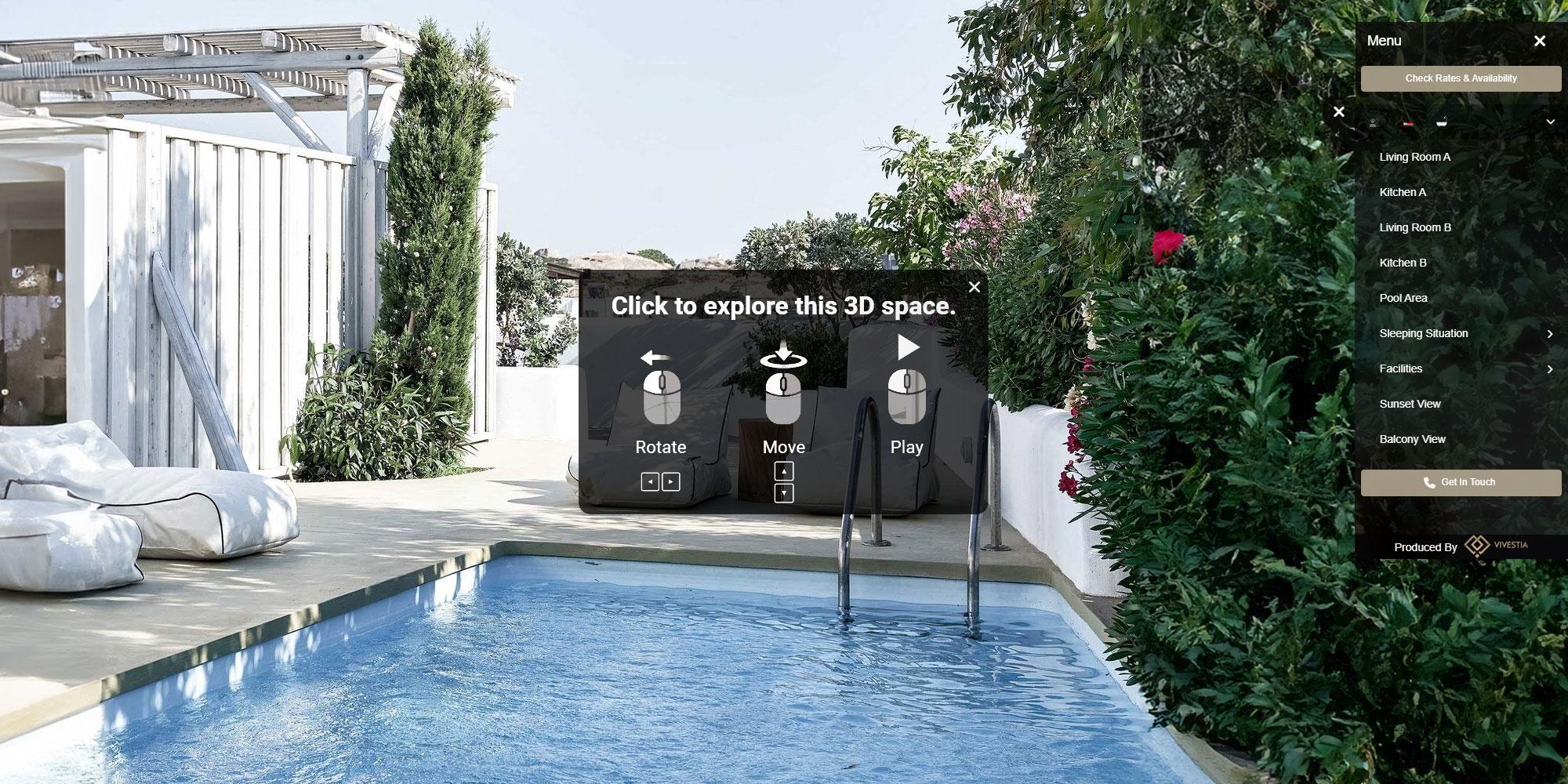
Virtual field trips are immersive, online experiences that transport students to museums, cultural landmarks, outer space, deep oceans, or even historical events, all from the comfort of their classroom or home. Powered by technology such as videos, live streams, 360-degree visuals, augmented and virtual reality (VR), these digital journeys make learning interactive and engaging.
- Interactive Tours: Walk through famous landmarks or exhibitions via live or recorded video and interact with guides in real time.
- Augmented & Virtual Reality: Dive into virtual recreations of ancient sites, distant planets, or biological systems with VR headsets or AR-enabled tablets.
- Live Webinars: Engage with experts, scientists, and educators through Q&A sessions while exploring new concepts or environments.
- Multimedia Resources: Access simulations, maps, photos, and documentaries tailored to specific educational goals.
The Key Benefits of Virtual Field Trips in Education
Integrating virtual field trips into the curriculum offers a multitude of educational advantages, making them a powerful resource for teachers and students alike. Hear are some compelling benefits:
-
Expands Access:
Virtual field trips break down barriers of distance, cost, and mobility, allowing all learners, irrespective of location or ability, to experience enriching environments.
-
Inspires Engagement:
Interactive, visually dynamic experiences stimulate curiosity and excitement, resulting in higher student participation and retention of knowledge.
-
Supports Differentiated Learning:
content can be tailored to varying learning styles and needs, accommodating visual, auditory, and kinesthetic learners efficiently.
-
Aligns with Curriculum:
Virtual trips can be selected to perfectly complement lesson objectives, from science and geography to history and the arts.
-
Promotes Digital Literacy:
Students gain crucial technology skills as they navigate multimedia environments, participate in live-streams, and engage with online experts.
-
Eco-Friendly & Safe:
no travel reduces the carbon footprint, ensures student safety, and alleviates logistical headaches.
“Virtual field trips empowered my students to witness the northern lights, dive into the Great Barrier Reef, and walk the halls of the Louvre—all within a single semester.The enthusiasm and depth of understanding these experiences fostered truly elevated my teaching.”
— Sarah M., Middle School Science Teacher
Popular Types of Virtual Field Trips
The possibilities with virtual field trips are nearly limitless.Here are some popular categories educators can explore:
- Natural Wonders: Guided tours of national parks, volcanoes, rainforests, underwater ecosystems, and space exploration centers.
- Historical & Cultural Landmarks: visits to ancient ruins,world heritage sites,and virtual time-travel to major historical events.
- Science and Technology: Behind-the-scenes views of NASA missions, laboratories, and cutting-edge science museums.
- Arts and Humanities: Guided walkthroughs of celebrated museums, art galleries, and connections with artists or curators.
- Industry and Careers: Virtual tours of factories, farms, television studios, or career days that foster career awareness.
Case Studies: Virtual Field Trips in Action
1. Bringing Science to Life: Exploring Coral Reefs
At Oakwood Elementary, fifth graders embarked on a live virtual scuba expedition with marine biologists to Australia’s Great Barrier Reef. Students watched real-time underwater footage, chatted with scientists, and later created digital presentations on marine biodiversity. Teacher surveys found a 30% increase in science engagement post-trip.
2. Global History, Local Impact: Egyptian Pyramids Visit
A middle school history class used a VR-based field trip to virtually walk through the Egyptian pyramids and talk with archeologists. The immersive experience brought ancient civilizations to life and led to improved student performance on related assessments.
3. Museum Access for All: Inclusive Art Appreciation
A rural high school partnered with the smithsonian to offer virtual museum tours. Even students with mobility challenges participated equally,with teachers noting a higher appreciation for fine arts and culture among participants.
First-Hand Experience: Educator and Student Perspectives
Direct feedback from classrooms highlights the unique impact of virtual field trips:
- Teacher View: “Students who rarely spoke up were suddenly eager to share what they’d discovered during the live penguin cam session from Antarctica. the excitement was palpable!” — Mark D., 4th Grade Teacher
- Student View: “It felt like we were really there, listening to astronauts answer our questions while floating in the International Space Station—it made me want to learn more about space!” — Jasmine, 6th Grade Student
- Parent View: “The virtual field trips helped us connect with our son’s learning at home.He talked about the virtual volcano eruption for weeks!” — Lisa S., Parent
Tips for Maximizing Virtual Field Trip Success
- Align with Learning Objectives: Choose trips that support curriculum goals and enhance classroom lessons.
- Prepare in Advance: Preview digital content and ensure all technology is set up beforehand.
- Engage Students Actively: Assign pre-trip discussion questions and post-trip projects to reinforce learning.
- Foster Interaction: Select experiences that allow live Q&A, student polls, or virtual scavenger hunts.
- Consider Accessibility: Choose platforms with closed captions, narration, and multi-device compatibility.
- Encourage Reflection: Have students write journals, blogs, or share presentations about their virtual experiences.
Getting Started: Top resources for Virtual Field Trips
Here are some trusted platforms and organizations offering high-quality virtual field trips for teachers:
- National Geographic Virtual Field Trips
- Google arts & Culture
- Smithsonian Institution
- NASA STEM Virtual Tours
- Discovery education Virtual Field Trips
Conclusion: Expanding Horizons, One Virtual Step at a Time
As technology continues to enhance education, virtual field trips stand out as a cost-effective, inclusive, and inspiring way to broaden students’ horizons. They ignite curiosity, foster global awareness, and deliver memorable, curriculum-aligned experiences—without the logistical hurdles of traditional outings.
By thoughtfully integrating virtual field trips into your teaching strategy, you’ll create a classroom where borders fade and new worlds await exploration. Ready to bring the world to your students? The journey starts here—no passport required.