
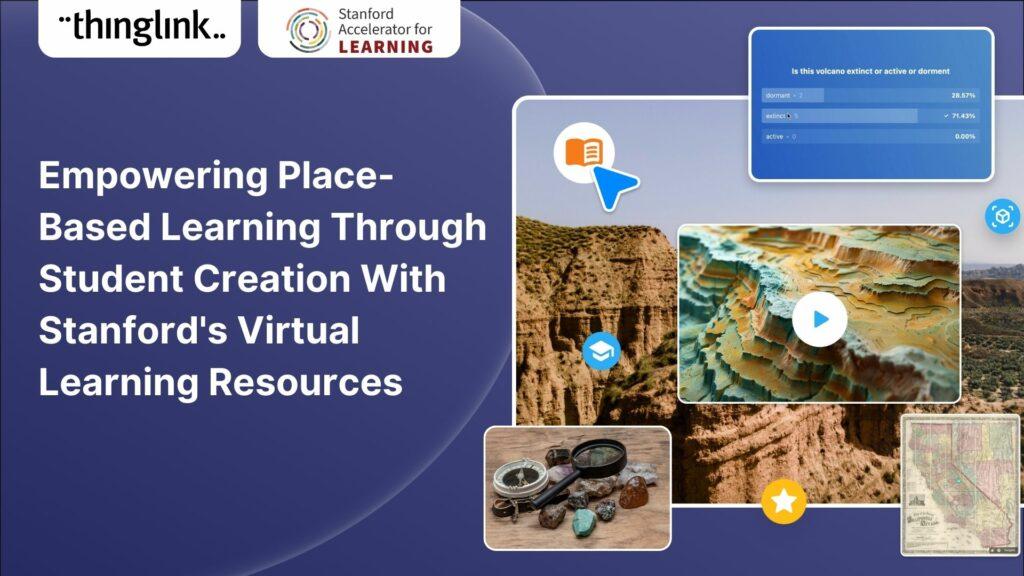
Unlocking Learning: How Virtual Field trips Expand Student Horizons Without Leaving the Classroom
In todayS digitally driven world, education is transcending the four walls of the classroom. One of the most dynamic ways teachers are igniting curiosity and broadening perspectives is through virtual field trips. These online adventures transport students to museums, historical sites, natural wonders, and even space – all from the comfort and safety of their own school. Curious about how virtual field trips can expand student horizons and reshape the educational experience? Let’s dive into the remarkable benefits, real-world applications, and practical strategies to make virtual field trips a highlight of your curriculum.
what Are Virtual Field Trips?
A virtual field trip is an interactive online experience that allows students to “visit” locations, exhibitions, landmarks, and cultural hotspots in real time or through on-demand content. Leveraging technologies like virtual reality (VR), augmented reality (AR), and immersive video tours, these digital explorations are designed to simulate the experience of physical field trips—without the logistical, time, and budget constraints.
- Live-streamed or prerecorded tours with expert guides
- 360-degree panoramic explorations of historic sites and natural wonders
- Interactive sessions with scientists, artists, or curators
- Engaging activities and quizzes that reinforce learning objectives
Benefits of Virtual Field Trips for Students
The appeal of virtual field trips isn’t just in their novelty. They provide lasting educational benefits, fostering deeper understanding and lasting engagement. Here’s why embracing virtual field trips can be transformative for students:
1. Breaking Down Geographic Barriers
Virtual field trips open doors to destinations that might be financially or physically inaccessible. Whether it’s the Louvre in Paris, the Great Wall of China, or the coral reefs of Australia, students can immerse themselves in global cultures and environments without ever stepping outside their classroom.
2. Customized Learning Experiences
Teachers can tailor virtual field trips to align with their lesson plans,enabling seamless integration with curriculum objectives in science,history,geography,and more. Supplementary resources, quizzes, and follow-up activities make learning more meaningful and personalized.
3. Encouraging Student Engagement
Interactivity is key. Virtual field trips often include gamified elements, Q&A sessions with experts, and hands-on digital experiments, which significantly boost student participation and enthusiasm.
4. Inclusive and Accessible
Students with limited mobility, health concerns, or special needs can participate equally in these experiences, ensuring that no child is left out due to physical challenges or logistical concerns.
5. Safe and Cost-effective
Virtual field trips eliminate common concerns such as travel safety,permission slips,and high costs,making them an affordable choice for schools with limited resources.
Innovative Ways Virtual Field Trips Are Being Used in Classrooms
Here are some inspiring examples of virtual field trips transforming education in diverse subject areas:
- STEM Exploration: NASA’s virtual tours bring students inside spacecraft, mission control centers, and the International Space Station, turning textbook knowledge into vivid experiences.
- History Immersion: The Smithsonian National Museum and the Anne Frank House offer guided, multimedia-rich tours that bring historical events and figures to life.
- Environmental Studies: National parks like Yellowstone provide real-time wildlife cams, geology tours, and ranger Q&A’s for an up-close look at natural ecosystems.
- Art and Culture: The Metropolitan Museum of Art and Google Arts & Culture open up the world’s masterpieces for virtual curation and artistic inspiration.
first-hand Experience: A Teacher’s Perspective
“Last year, our class explored the pyramids of Egypt through a guided VR tour. For many students, this was their first exposure to ancient architecture outside of a textbook. The excitement was tangible. They asked more questions, made deeper connections, and even inspired our own mini archaeological dig in the playground! Virtual field trips have truly made teaching more dynamic.”
– Sarah Thompson, 5th Grade Teacher, Denver, CO
Practical Tips for Hosting Virtual Field Trips in Your Classroom
Ready to incorporate virtual field trips into your teaching toolkit? Here are some practical strategies to maximize their educational value:
-
Align Trips with Curriculum Objectives
Choose destinations and experiences that reinforce your class’s current learning topics.
-
Test Technology in Advance
Ensure strong internet connectivity and test VR headsets, projectors, or devices before the trip day.
-
Prepare Students with context
Share background data, essential vocabulary, and trip objectives beforehand to foster active participation.
-
Encourage Interactive Engagement
Let students ask questions during live sessions and participate in follow-up activities, projects, or presentations.
-
Reflect and Apply Learning
Have students journal, present, or create art based on their virtual experience, reinforcing retention and creativity.
Popular platforms and Resources for Virtual Field Trips
There’s a growing library of free and paid resources for educators looking to enrich student learning with virtual field trips. Here are a few top picks:
- Google Arts & Culture
- Smithsonian Virtual Tours
- NASA Virtual Field Trips
- National Park Virtual Tours
- Revelation Education Virtual Field trips
- Anne Frank House online
Overcoming Common Challenges
While virtual field trips offer incredible opportunities, educators may face a few hurdles in implementation. Here’s how to tackle them:
- Technology Access: Work with your school’s IT department to ensure devices and network infrastructure are sufficient. Consider scheduling in small groups or integrating virtual field trips into shared lab time.
- Student Engagement: Use interactive tools like polls, breakout rooms, or collaborative whiteboards to keep energy high and participation active throughout the trip.
- Screen Fatigue: Break up longer trips with discussion, hands-on activities, or physical movement breaks to maintain focus and enthusiasm.
Case Study: Global Classroom connections in Action
Imagine students in a small Midwestern town connecting live with marine biologists on Australia’s Great Barrier Reef. In one school district, a third-grade class participated in a virtual “Adopt a Coral” program, interacting directly with scientists and watching real-time underwater footage. The result: increased environmental awareness, inspired future scientists, and a globally connected classroom community.
Conclusion: Expanding Student Horizons Without Leaving the Classroom
Virtual field trips are revolutionizing the way we think about school excursions. By expanding access to the world’s most fascinating sites and cultures, they go beyond logistics to create inclusive, engaging, and transformative learning moments.Whether you’re ready to bring ancient history to life, dive into deep-sea ecosystems, or inspire your students through art, virtual field trips unlock a world of learning possibilities.Start small, experiment with different platforms, and watch as your students’ curiosity and understanding reach new heights—without ever boarding a bus.