
Unlocking Learning: Integrating Gamification into Standard curricula for Enhanced Engagement
In today’s fast-evolving educational landscape, student engagement is the cornerstone of effective learning.With technology’s constant advancement, gamification in education has emerged as a powerful solution too revolutionize customary classroom experiences. but what exactly is gamification, and how can integrating it into standard curricula unlock deeper learning and sustained engagement?
What is Gamification in Education?
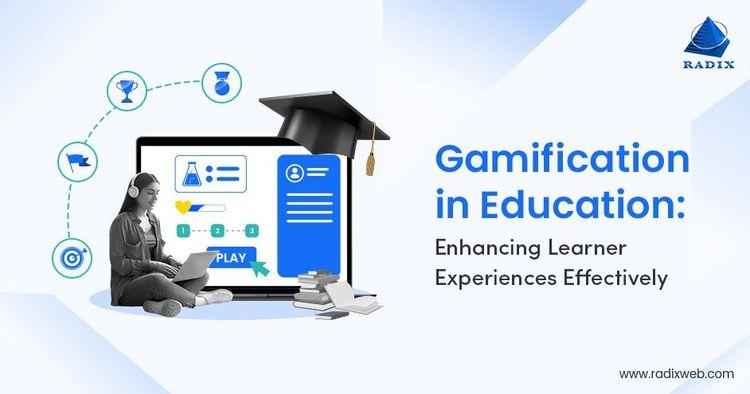
Gamification refers to the request of game-design elements, such as points, badges, leaderboards, and challenges, to non-game environments like classrooms. By integrating these motivational mechanics into educational settings, educators aim to foster a more interactive, rewarding, and engaging learning journey for students.
Why Integrate Gamification into Standard Curricula?
Traditional teaching methods often struggle to maintain students’ attention, resulting in diminished learning outcomes. Gamification, by contrast, introduces elements of play and competition, encouraging students to interact with the curriculum in meaningful ways. This integration creates environments where students feel motivated to participate, collaborate, and strive for mastery.
Major Benefits of Gamifying Education
- Increased Engagement: Game mechanics capture attention and sustain interest through interactive challenges.
- Enhanced Retention: Fun, experiential activities make concepts memorable, improving long-term information recall.
- Motivation to Succeed: Rewards and recognition fuel the drive to complete assignments and achieve goals.
- Promotes Collaboration: Team-based challenges and leaderboards foster a spirit of collaboration among peers.
- Immediate Feedback: Real-time results allow for quick assessment and course correction.
- Personalized Learning: Adaptive game-based activities tailor progression to individual learning paces.
Practical Tips: How to Integrate Gamification Effectively
Implementing gamification into standard curricula requires thoughtful planning and a strategic approach.Here are some practical tips for educators and curriculum designers to maximize engagement and learning outcomes:
-
Start Small:
begin by integrating simple game elements such as quizzes, badges, or classroom competitions before ramping up complexity.
-
Align with Learning Objectives:
Ensure game mechanics directly reinforce curriculum goals, not distract from them.
-
Select Appropriate Tools:
Utilize educational platforms like Kahoot!, Classcraft, or Quizizz that simplify gamified lesson creation and tracking.
-
Incorporate Diverse game Mechanics:
Mix points, badges, levels, leaderboards, and storytelling to sustain novelty and excitement.
-
Encourage Collaboration & Competition:
Balance cooperative learning with healthy competition to build social and critical-thinking skills.
-
Gather Feedback:
Regularly ask students for input to gauge effectiveness and adapt according to thier interests and responses.
-
Monitor and Adjust:
Use data analytics from gamified platforms to refine your approach and identify areas of advancement.
Gamification Case Studies: Real Impact in Classrooms
Let’s explore a few compelling examples of gamification in action:
Case Study: Kahoot! in Middle School Science
A middle school science teacher integrated Kahoot! quizzes at the end of each lesson, featuring teams competing for weekly prizes. Engagement skyrocketed, with students reporting increased motivation to study class material in advance just to outperform their peers. Test scores improved by 15% over the semester.
Case Study: Classcraft for Social-Emotional Learning
In a suburban elementary school,Classcraft transformed classroom management and interpersonal relationships. Students earned points for helping classmates and demonstrating empathy. The gamified rewards system not only improved academic performance but also reduced behavioral issues by 30%, illustrating the holistic potential of gamification in education.
Case Study: High-School Language Arts Using Badges
Badge systems were introduced for weekly reading assignments. Students could collect and trade badges representing achievements like “Master of Literary Devices” or “discussion Leader.” The competitive aspect encouraged consistent participation and dramatically elevated the depth and quality of classroom discussions.
First-Hand Experiences and expert Insights
“By using game elements like points and immediate feedback, I saw previously disengaged students suddenly motivated to learn. Gamification brought a sense of excitement and ownership to my lessons.”
– Mrs. Amanda Lee, 5th Grade Teacher
Recent studies, including a comprehensive review published by Edutopia, suggest that gamified classrooms consistently outperform traditional setups in both engagement and retention. Educational psychologists advocate for a balanced approach, emphasizing that game mechanics must serve learning objectives rather than overshadow them.
Challenges and Considerations
While the benefits are substantial, integrating gamification into curricula is not without challenges. Common hurdles include:
- potential Distraction: overuse of game elements may distract from underlying lessons.
- Balancing Competition: Ensuring healthy competition so as not to discourage less competitive students.
- Resource Intensity: Designing and maintaining gamified activities can demand significant time and technological resources.
- Inclusivity: Adapting games for diverse learning needs and accessibility requirements.
Addressing these challenges involves continuous feedback, incremental integration, and a commitment to inclusivity and purposeful design.
Gamification: Actionable Strategies for Educators
Ready to enhance engagement and unlock deeper learning in your classroom? Use these actionable strategies to get started:
- Integrate gamified assessments for instant feedback and adaptive learning paths.
- Set up class-wide leaderboards to boost motivation but rotate recognition to maintain morale for all.
- Utilize story-driven lessons where students “level up” as they master topics.
- Design achievement badges for a wide array of skills, ensuring every student finds areas to shine.
- Create challenges that foster collaboration, teamwork, and peer mentoring.
- Regularly embed reflection activities to connect game achievements with real-world skills.
Conclusion: Gamification as the Key to Unlocking Learning
Integrating gamification into standard curricula is more than a trend; it’s a transformative approach to education that fosters engagement, motivation, and long-lasting learning outcomes. By thoughtfully blending game mechanics with curriculum goals,educators can create classroom experiences that are interactive,inclusive,and inspiring.
As technology continues to evolve, the future of education lies in leveraging innovative strategies like gamification to meet diverse student needs. Embrace gamification today and unlock a new world of learning possibilities!