
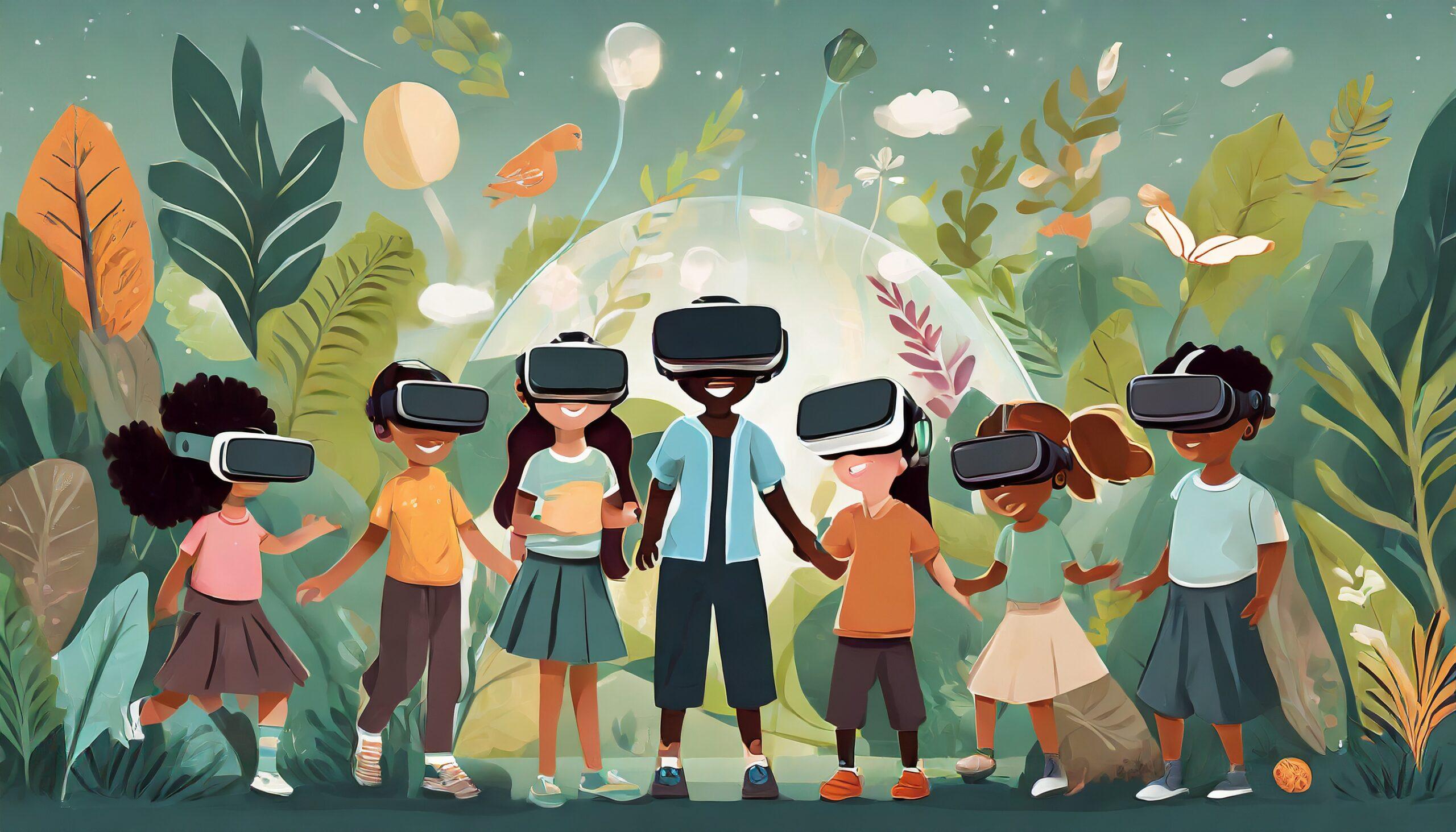
Unlocking Learning Opportunities: How Virtual Field Trips Expand Horizons without Leaving the Classroom
In today’s interconnected world, the classroom is no longer bound by four walls. Virtual field trips have revolutionized educational experiences, providing students wiht the unique chance to explore museums, historical landmarks, scientific laboratories, art galleries, and even outer space—without ever leaving their desks. This transformative approach to learning is opening doors, unlocking opportunities, and genuinely broadening young minds.Let’s dive into how virtual field trips expand horizons and why every educator should consider integrating them into their lesson plans.
What are Virtual Field Trips?
A virtual field trip is an educational journey, delivered through the power of technology, that transports students to far-off places in real-time or via recorded experiences. Using tools such as virtual reality (VR), 360-degree video, interactive web platforms, and live video streaming, these experiences closely replicate the excitement and wonder of in-person trips—minus the constraints of cost, geography, or logistics.
- 360° Virtual Tours: Walk through the Louvre or roam with giraffes in an African savanna—all with a click.
- Interactive Live Sessions: Engage with zookeepers, scientists, or historians in real-time Q&A sessions.
- On-Demand Video Content: Access curated educational journeys anytime, anywhere.
- Augmented and Virtual Reality (AR/VR) Apps: Immerse students in interactive learning environments.
benefits of Virtual Field Trips in the Classroom
Integrating virtual field trips into your curriculum offers a range of compelling benefits for students and educators alike.here’s how they unlock powerful new learning opportunities:
1. expanding Horizons Beyond the Classroom
- Exposes students to diverse cultures, ecosystems, and scientific discoveries around the globe
- Breaks down geographical and economic barriers, creating equity in educational experiences
- Cultivates global citizenship and curiosity
2. Engaging and Interactive Learning Experiences
- Transforms passive learning into active exploration and participation
- Supports different learning styles with multimedia resources—from video to interactive quizzes
- Boosts retention and enthusiasm for new topics
3. Cost-effective and Safe
- No need for travel permits,bus rentals,or permission slips
- Eliminates logistical challenges and safety concerns associated with traditional field trips
- Allows participation from students of all backgrounds,including those with physical limitations
4. Aligned with Curriculum and Standards
- Seamlessly integrates with existing lesson plans and educational goals
- Can provide exclusive behind-the-scenes access to scientific labs, historical artifacts, and more
- Reinforces classroom learning through real-world submission and finding
Popular Types of Virtual Field Trips
- Museum Tours: Explore the Smithsonian, the British Museum, or art galleries worldwide.
- Nature and Science Expeditions: Dive into ocean explorations with NOAA, or trek through rainforests with conservationists.
- Historical Landmarks: Visit the Great Wall of China, the Pyramids of Egypt, or ancient Roman ruins.
- Space Exploration: Experience NASA missions or tour the International Space Station virtually.
- Cultural experiences: Attend a Japanese tea ceremony, witness a ballet in Russia, or sample global traditions from afar.
Practical Tips for Implementing Virtual Field Trips
-
Align with Curriculum Objectives:
Choose trips that resonate with your lesson plans to reinforce learning outcomes.
-
Prepare Pre-Trip Activities:
Generate curiosity with introductory videos, readings, or discussions about the virtual destination.
-
Ensure Technical Readiness:
Test all technology—devices, internet connections, and apps—ahead of time.
-
Foster Interaction:
Use worksheets, scavenger hunts, or live Q&A opportunities during the experience.
-
Follow Up:
Encourage students to share what they learned through presentations,art,or creative writing.
-
Reflect and Assess:
Incorporate reflection activities to gauge student engagement and comprehension.
inspiring Case Studies: Virtual Field Trips in Action
1. Exploring Ancient Egypt in a Rural School
At a small rural elementary school,limited resources made off-site field trips impractical. through a virtual tour of ancient Egyptian pyramids and tombs, students interacted directly with an expert Egyptologist via Zoom, examining hieroglyphics and even seeing a live mummification demonstration. The result? Test scores on the topic improved by 35%, and students expressed increased motivation for learning about history.
2. Science in the Rainforest—From the Heart of the City
An urban middle school partnered with a conservation group to participate in a rainforest expedition, where students observed scientists tagging wildlife and collecting plant samples. Using VR headsets, they virtually walked through the forest canopy, fostering not only scientific curiosity but also a new-found passion for environmental stewardship. Teachers reported heightened engagement, especially among students who previously struggled in science classes.
3. Bringing the Orchestra Home
During the pandemic, a high school music class in the US attended a live-streamed rehearsal with the berlin Philharmonic. Students interacted with musicians, learned about diverse instruments, and even joined a virtual masterclass. The experience broadened their understanding of world music and inspired several students to pursue further studies in performing arts.
First-Hand Experience: A Teacher’s Perspective
“Last semester,our fifth-grade class ‘walked’ on the moon through a NASA virtual field trip. Watching the students’ eyes light up as they explored lunar craters and learned from real astronauts was nothing short of magical. Not only did it bolster interest in STEM, but it also made the concept of space tangible and real for every student, irrespective of background or ability.”
— Ms.Linda White, Roosevelt Elementary School
The Future of Learning: Virtual Field Trips and Beyond
As digital technology continues to evolve, virtual field trips are set to become even more immersive, interactive, and personalized. Advancements in augmented reality, AI-powered guides, and collaborative global classrooms will further break down barriers, making experiential learning an everyday reality.
Educators who embrace virtual field trips are not just keeping pace with modern teaching—they’re future-proofing their classrooms and equipping students with the skills, perspectives, and passions needed in a rapidly changing world.
Conclusion
Virtual field trips are more than a digital substitute for traditional outings—they are a gateway to authentic, global learning experiences. By unlocking learning opportunities and expanding student horizons, these journeys nurture curiosity, creativity, and a lifelong love for exploration.With the tools, tips, and inspiration shared in this guide, you can bring the wonders of the world right into your classroom—no passport required!
Ready to unlock your students’ potential? Discover, explore, and inspire—all from the comfort of your classroom.