
Unlocking Learning Potential: How Wearable Technologies are Transforming Education
As wearable technologies become seamlessly integrated into our daily lives, their impact on education is nothing short of transformative. From smartwatches to augmented reality glasses, these innovative educational tools are unlocking new potentials in classrooms worldwide. This article dives deep into how wearable technology is revolutionizing education, enhancing both teaching methods and student learning outcomes, and paving the way for a smarter, more engaging, and inclusive future.
What Are Wearable Technologies in Education?
wearable technology refers to electronic devices that can be worn on the body, either as accessories or as part of clothing. In the educational sector, these wearables include:
- smartwatches and fitness trackers
- Smart glasses (e.g., Google Glass or Microsoft HoloLens)
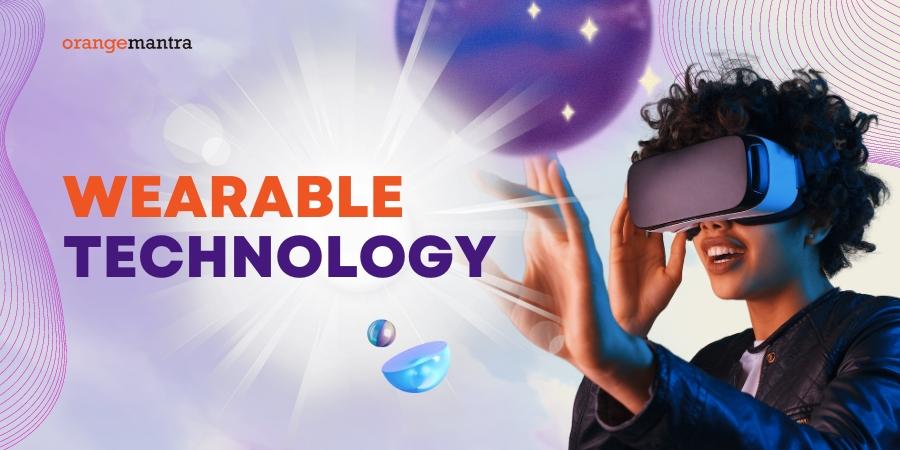
- Virtual Reality (VR) and Augmented Reality (AR) headsets
- Interactive wristbands
- Health monitors
These technologies collect and process data in real-time, offering students and teachers immediate feedback, interactive experiences, and personalized learning tools.
Key Benefits of Wearable Technologies in Education
- Enhanced engagement: Immersive technology such as VR headsets can turn static lessons into interactive experiences that captivate students’ attention.
- Personalized Learning: Wearables can tailor lessons to individual learning paces and styles, promoting better knowledge retention.
- Real-time Feedback: Instant data feedback allows teachers to track progress, spot learning gaps, and adapt lessons accordingly.
- Improved Accessibility: Wearable devices can help students with disabilities access learning materials,communicate,and participate more fully in class.
- Collaboration & Connectivity: Students can collaborate on projects using smart devices, accessing shared resources and connecting with peers and experts globally.
how Wearable Technology is Transforming the Classroom
1. Immersive Learning Experiences
Virtual Reality (VR) headsets transport students into interactive environments—from the ruins of ancient civilizations to the deepest oceans. This hands-on learning enhances engagement and ensures concepts are understood at a deeper level.
2. Real-world Skills and Practical Applications
Smart glasses can overlay instructions on real-world objects, ideal for vocational training like engineering, healthcare, and culinary arts.Students can practice complex tasks safely with step-by-step visual guides.
3. Facilitating Inclusive education
wearables like hearing aids integrated with Bluetooth, or AR-based sign language translators, enable students with hearing or visual impairments to actively participate in mainstream classrooms.
4. Monitoring student Health and Wellbeing
Devices such as fitness trackers help monitor physical activity, stress levels, and even sleep patterns, allowing schools to support student wellbeing alongside academic achievement.
Real-world case Studies: Wearable Technologies in Action
Case Study 1: Virtual Field Trips with Google Expeditions
Schools across the globe have embraced Google Expeditions, allowing students to explore distant places without leaving the classroom. Using affordable VR headsets, teachers can guide students thru the Amazon rainforest or the surface of Mars, providing an enriching supplement to traditional textbooks.
Case Study 2: Smartwatches to Enhance Focus and Association
Several schools have introduced smartwatches programmed with reminders, schedules, and wellness check-ins for students. This has resulted in improved time management, reduced anxiety, and increased independence for students, especially those with learning difficulties.
Case Study 3: AR Technology for STEM Learning
In STEM classrooms, AR smart glasses allow students to visualize complex structures in 3D—whether it’s a molecular model in chemistry or a planetary system in astronomy—promoting deeper understanding through visualization.
First-Hand experiences: Testimonials from Teachers & Students
“Introducing AR glasses in my biology lessons revolutionized the way my students learn. Now, they can virtually dissect organisms and see biological processes in real time—something that textbooks can’t provide.”
– Ms. Thompson, High School Science Teacher
“I struggle to focus in class, but with my smartwatch reminders, I’m now on top of my assignments and less stressed.”
– Jamie, Grade 9 Student
Practical Tips for Integrating Wearables into Educational environments
- start Small: Pilot one type of wearable device in a single class or subject area before a school-wide rollout.
- Ensure Inclusivity: Choose wearable technologies that are accessible for all learners,including those with disabilities.
- prioritize Privacy: Educators must ensure student data privacy and comply with regional regulations such as GDPR or FERPA.
- Offer Training: Provide extensive training for staff and students to maximize the benefits of new technology.
- Gather Continuous Feedback: regularly solicit feedback from users and refine the approach to address challenges and maximize engagement.
Challenges and Considerations
While the advantages are meaningful, adopting wearable technology in education comes with challenges:
- Cost: High initial investment can be a barrier, though costs are decreasing over time.
- Security: Student data security and privacy need to be rigorously maintained.
- Equity: Ensuring equal access for all students is crucial to avoid deepening the digital divide.
- Teacher Training: Continuous professional growth is essential for effective technology integration.
Conclusion: The Future of Learning with wearable Technologies
Wearable technologies are reshaping the educational landscape by delivering personalized, engaging, and accessible learning experiences. as costs fall and these tools become increasingly user-pleasant, their adoption is expected to accelerate. By embracing wearables, educators and institutions can unlock hidden learning potentials, inspire innovation, and prepare students for the digital era.
The change has just begun. As tech evolves, so too will the classroom—offering endless possibilities for education that is dynamic, inclusive, and student-centered. Now is the time for schools to explore the world of wearable technology and harness its power to truly unlock learning potential.