
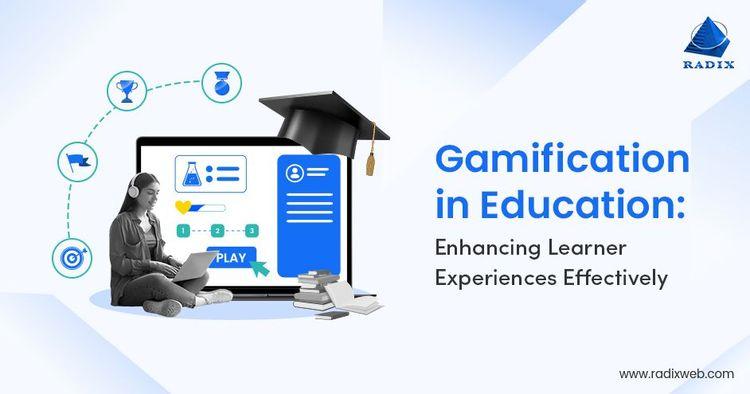
Unlocking Learning Potential: Integrating Gamification into Standard Curricula for Enhanced Engagement
The modern classroom is evolving,and educators are continually exploring innovative strategies to engage students and amplify learning outcomes. One such approach is integrating gamification into standard curricula. As digital natives, today’s students respond enthusiastically to game-based elements, motivation systems, and interactive challenges. In this in-depth guide, we’ll explore how gamification in education unlocks potential, enriches lesson plans, and creates engaging learning experiences.
What is Gamification in education?
Gamification refers to the application of game design principles—such as point scoring,competition,leaderboards,and rewards—to non-game contexts. In education, this means using game mechanics to make lessons more interactive and motivate students to achieve academic goals. The goal? To transform passive learning into active participation, ultimately fostering a culture of curiosity and achievement.
key Gamification Elements in the Classroom
- Points and Badges: Accumulated for completing assignments or demonstrating mastery.
- Leaderboards: Visualizing progress and encouraging healthy competition.
- Levels or Progress Bars: Allowing students to track their academic journey.
- Quests and Challenges: Offering students a sense of adventure and autonomy.
- Instant Feedback: Keeping learners informed and motivated through real-time responses.
Benefits of Integrating Gamification into Standard Curricula
The impact of gamification extends beyond simple entertainment—it’s a strategic tool for enhancing student engagement and unlocking learning potential. Here are some tangible benefits:
- Increased Motivation: Earning points, unlocking levels, and receiving rewards foster intrinsic and extrinsic motivation.
- Improved Knowledge Retention: Interactive activities and real-time feedback enhance memory and understanding.
- Active participation: Game mechanics encourage students to take initiative and participate actively in class discussions and activities.
- Personalized Learning Paths: Students progress at their own pace,reducing anxiety and promoting mastery.
- Collaborative Learning: Multiplayer and team quests build communication and teamwork skills.
- Immediate Feedback: Rapid responses guide improvement and offer positive reinforcement.
Practical Tips for Implementing Gamification in the Curriculum
Integrating gamification doesn’t require a complete curriculum overhaul. Begin with small, strategic steps to boost student engagement and enhance learning outcomes:
Start with Clear Learning Objectives
- Identify the core skills and concepts your students need to master.
- Design game elements that directly align with your educational goals.
Choose the Right Gamification Tools
- Explore platforms like Kahoot!, Classcraft, Quizizz, and DuoLingo for Schools.
- Leverage built-in gamification features in your Learning Management System (LMS).
Design Meaningful Rewards and Challenges
- Offer badges, certificates, or extra credit for achieving milestones.
- Implement creative challenges that require critical thinking, collaboration, or exploration beyond textbooks.
Encourage Healthy Competition
- Use leaderboards with care—focus on improvement rather than only recognizing top performers.
- Highlight personal bests and progress to build self-efficacy.
Collect and Respond to Student Feedback
- Regularly ask students about their experiences and adapt gamification strategies accordingly.
- Be obvious about how game elements support academic goals.
Case Studies: Real-World Success Stories of Gamification in Education
Educators worldwide are successfully harnessing the power of gamification. Here are a few notable examples:
Kahoot! in Science Lessons
A middle school science teacher integrated Kahoot! quizzes at the end of each unit. the immediate, competitive nature of the quizzes led to a 20% increase in assessment scores, while students reported higher levels of enjoyment and engagement.
Classcraft: Building Classroom Culture
In a high school English class,Classcraft was used to assign points for positive behavior,timely homework,and participation. Students formed teams and relied on each other to unlock new game powers. Collaboration, attendance, and class morale soared, with noticeable decreases in disruptive behavior.
Math Mastery with Progress Bars
An elementary math teacher utilized progress bars to track individualized learning targets. Students could visually monitor their journey and celebrate small victories. This visual motivation led to increased perseverance, especially among struggling learners.
First-hand Experience: A Teacher’s Perspective
“After introducing gamification into my curriculum, I witnessed a transformational shift in classroom dynamics. Students were not just memorizing facts—they were actively engaged,motivated by kind competition and the thrill of achievement. Even the most reluctant learners became eager participants.Gamification made learning a shared adventure, bridging the gap between instruction and enthusiasm.”
— Ms. Angela Rivera, 5th Grade Teacher
Overcoming Challenges and Ensuring Equity
While gamification in classrooms offers substantial benefits, thoughtful planning ensures all students benefit:
- Avoid Excessive Competition: ensure every student has opportunities to succeed and that leaderboards don’t discourage those who struggle.
- Accessibility Matters: Choose tools that are accessible for students with disabilities and compatible with school technology resources.
- Balance Fun and Learning: Make sure game-based activities reinforce curricular objectives and not just entertainment.
- Cultural Sensitivity: Design challenges and rewards that are inclusive and respectful of diverse backgrounds.
Future Trends: gamification, AI, and Personalized Learning
The integration of artificial intelligence and adaptive learning systems is taking educational gamification to new heights.AI-driven platforms can:
- Personalize challenges and feedback based on each student’s learning profile.
- Analyze data to optimize game mechanics and maximize engagement.
- Bridge gaps in understanding by offering targeted games and quizzes.
Conclusion: Unlock Potential, Spark Lifelong Learning
Integrating gamification into standard curricula is more than a passing trend—it’s a proven strategy for enhancing engagement, unlocking learning potential, and nurturing a love for learning. By tapping into students’ intrinsic motivation and curiosity, educators can transform classrooms into dynamic centers of exploration and achievement. With thoughtful planning and an eye on equity, gamification can empower every learner, laying the foundation for academic success and lifelong curiosity.
Ready to Level Up Your Teaching?
Begin by incorporating simple game elements into your lessons, gather student feedback, and adapt your approach to suit your classroom’s unique needs.The journey to an engaged, inspired, and motivated classroom starts with a single step—why not take it today?