
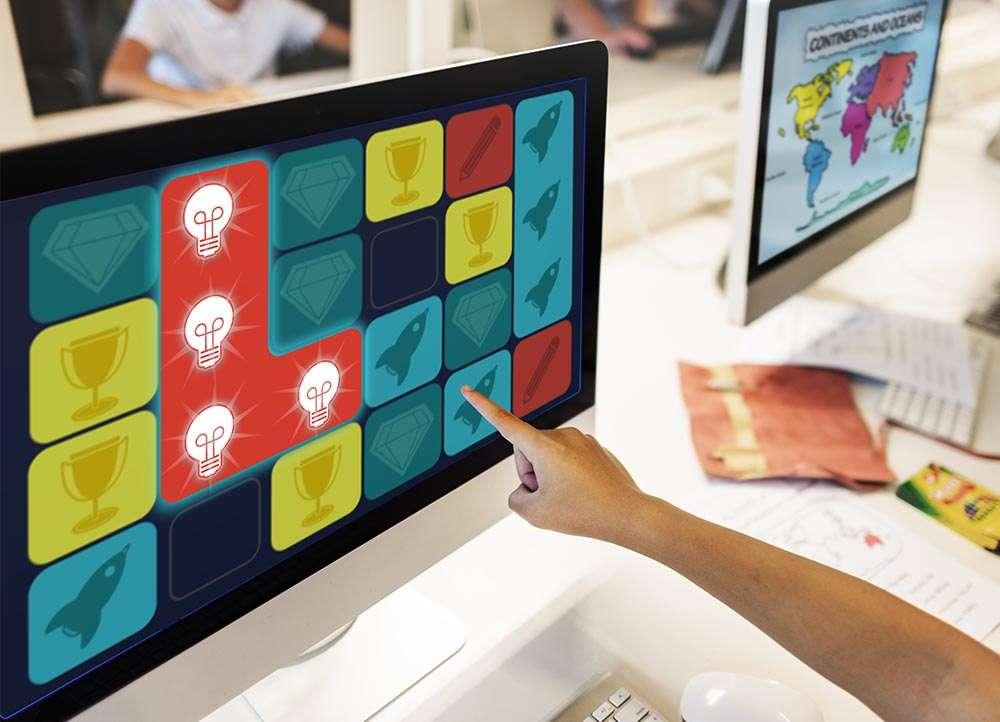
Unlocking Learning Potential: The Psychology behind Gamification in Education
In today’s rapidly evolving educational landscape, one term continues to capture the attention of educators, students, and parents alike—gamification in education.But what exactly is gamification, and why has it become such a powerful tool for unlocking learning potential? This complete guide dives into the psychology behind gamification in education, exploring how it transforms classrooms, motivates learners, and fosters deeper understanding through playful engagement. Whether you’re an educator looking to enhance your teaching strategies or a curious parent or student, this article will illuminate the science and practice of making learning irresistibly fun and effective.
What is Gamification in Education?
Gamification in education refers to integrating game-like elements—such as points, badges, leaderboards, and instant feedback—into learning environments. The primary objective is to harness the engaging and motivational aspects of games to enhance educational outcomes. Unlike conventional grading systems, gamification taps into students’ intrinsic motivation, making the learning process interactive and rewarding.
- Points: Rewarding achievements and tracking progress
- Badges: Offering symbolic recognition of specific skills or milestones
- Leaderboards: Fostering healthy competition and peer collaboration
- Levels/Quests: Allowing learners to unlock new challenges as they advance
- immediate feedback: Encouraging continuous betterment
The Psychology Behind Gamification: Why It Works
The effectiveness of gamified learning stems from well-established psychological principles.Here’s why gamification has the power to transform the educational experience:
1.Intrinsic and Extrinsic Motivation
Gamification leverages both intrinsic (internal) and extrinsic (external) motivation:
- Intrinsic Motivation: Learners are driven by curiosity, desire for mastery, and the satisfaction of overcoming challenges.
- Extrinsic Motivation: External rewards such as points, badges, and leaderboards encourage participation and consistent effort.
2. The Power of Feedback
Immediate feedback provided in gamified systems helps students identify areas for improvement and reinforces positive behavior. According to educational psychologists, timely feedback is crucial for effective learning and knowledge retention.
3. The Role of Autonomy and Agency
Gamification increases learners’ sense of autonomy by letting them choose paths, set goals, and experience ownership over their learning journey. This sense of control can significantly boost engagement and persistence.
4. Social Connectivity and Peer Learning
many gamified education platforms foster a sense of community by enabling competition, collaboration, and peer-to-peer recognition. The social aspect builds a supportive learning environment and motivates students to work harder.
5. The Flow State
Gamification can induce a psychological flow state—a condition of deep focus and immersion—when challenges are well-matched to skill levels. This state optimizes learning by minimizing anxiety and maximizing satisfaction.
Benefits of Gamification in Education
Incorporating game elements into education delivers a multitude of benefits for students, teachers, and institutions:
- Increased Engagement: Interactive challenges and rewards transform passive learners into active participants.
- Enhanced Motivation: Game mechanics incentivize progress, making learning more enjoyable and persistent.
- Personalized Learning: Customizable quests and challenges allow for tailored educational experiences.
- Improved Knowledge Retention: Playful repetition and immediate feedback help imprint concepts more deeply.
- Development of soft Skills: Collaboration, communication, and problem-solving come to the forefront, especially in team-based or competitive settings.
- Data-Driven Insight: Progress tracking allows educators to identify and address individual learning gaps more effectively.
Case Studies: Gamification in Action
Real-world examples demonstrate the impact of gamification across various educational settings:
Kahoot!
Kahoot! is a game-based learning platform widely used in classrooms worldwide. By transforming quizzes into competitive games, kahoot! has increased student participation and information recall in both academic and corporate training environments.
Duolingo
As one of the world’s moast popular language-learning apps, Duolingo uses streaks, badges, and progress tracking to keep users motivated. It’s engaging interface and reward system have revolutionized language acquisition for millions.
Classcraft
Classcraft turns the classroom into a role-playing adventure, where students earn points for positive behavior and collaborate to complete quests. Educators report significant improvements in classroom management and student morale.
First-hand Experience: Teacher Testimonials
“After integrating gamified challenges into my math curriculum, even my most reluctant students became excited to participate. It’s more than points and badges—it’s about seeing real growth and genuine enjoyment in learning.”
— Sarah,Middle School Teacher
Practical Tips for Implementing Gamification in education
Ready to bring gamification into your classroom or learning environment? Here are actionable tips for a successful and meaningful integration:
- Set Clear Learning Objectives: Align game elements with educational goals to ensure activities reinforce critical skills and knowledge.
- Start Small: Begin with simple game mechanics like quizzes, badges, or class competitions before expanding to more complex systems.
- Foster Collaboration: Blend competition with teamwork by including group challenges and cooperative missions.
- Provide Meaningful Rewards: Ensure that badges and leaderboards have real value by tying them to tangible outcomes or privileges.
- Solicit Student Feedback: Involve learners in the process by asking for their input on what works and what can be improved.
- Embrace Technology: Utilize digital platforms like Kahoot!, duolingo, or custom LMS solutions for seamless gamification integration.
Challenges and Considerations
While the benefits of gamification in education are well-documented, it’s significant to consider potential challenges:
- Overemphasis on Competition: Excessive focus on leaderboards may discourage less competitive students.
- Time Investment: Designing meaningful gamified activities can be time-consuming for educators.
- Equity and Accessibility: Ensure all students have equal access to technology and support.
- Avoiding Superficial Rewards: Make sure rewards are meaningful and connected to learning, not just participation.
By thoughtfully addressing these challenges, educators can create a balanced and inclusive gamified learning environment.
Conclusion: Embracing the Future of Gamified learning
The psychology behind gamification in education reveals that playful learning environments do more than just entertain—they engage, inspire, and empower students to reach their full academic potential. As technology continues to evolve, gamified approaches will undoubtedly play a central role in shaping the classrooms of tomorrow.
Whether you’re seeking to motivate reluctant learners, deepen understanding, or simply make education more enjoyable, there’s never been a better time to explore the potential of gamification. Unlock new pathways to success in your classroom by embracing game-based strategies rooted in psychological science and educational best practices.